In international apparel trade, FOB (Free On Board) is one of the most widely used Incoterms in China’s garment export industry. It is commonly applied in transactions where apparel is manufactured in China and shipped to global markets through sea freight. In the clothing sector, FOB is widely recognized as a standard trade structure that defines how production, export handling, and international shipping responsibilities are divided between factories and overseas buyers. For brands and importers sourcing garments from China, understanding FOB is essential because it reflects the most common operational model used in global apparel supply chains. This article will provide a comprehensive analysis of FOB from a practical garment industry perspective.
What Is FOB Meaning in Apparel Trade?
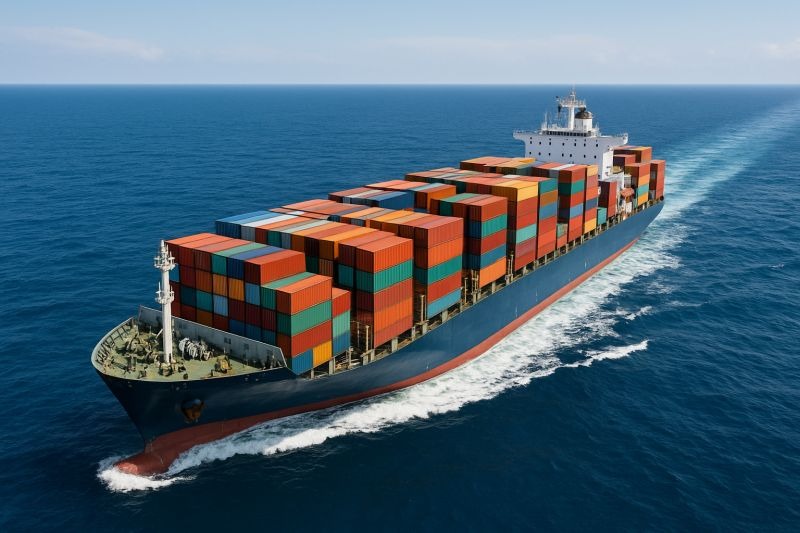
FOB is the short form for “Free on Board”. In apparel international trade, FOB refers to a shipping arrangement where the factory is responsible for producing the garments, completing export procedures, and delivering the goods to a designated departure port in the exporting country. The seller bears all costs and risks during the production stage, inland transportation, export customs clearance, and port handling until the goods are loaded onto the vessel.
Once the cargo is successfully loaded on board at the agreed port, the responsibility and risk are transferred to the buyer. From this point onward, the buyer takes control of all international logistics, including ocean freight, insurance, import customs clearance, duties, taxes, and final delivery in the destination country.
FOB Shipping from China Example in Apparel Trade
To better understand how FOB works in real apparel sourcing, let’s take a practical example from the garment industry.
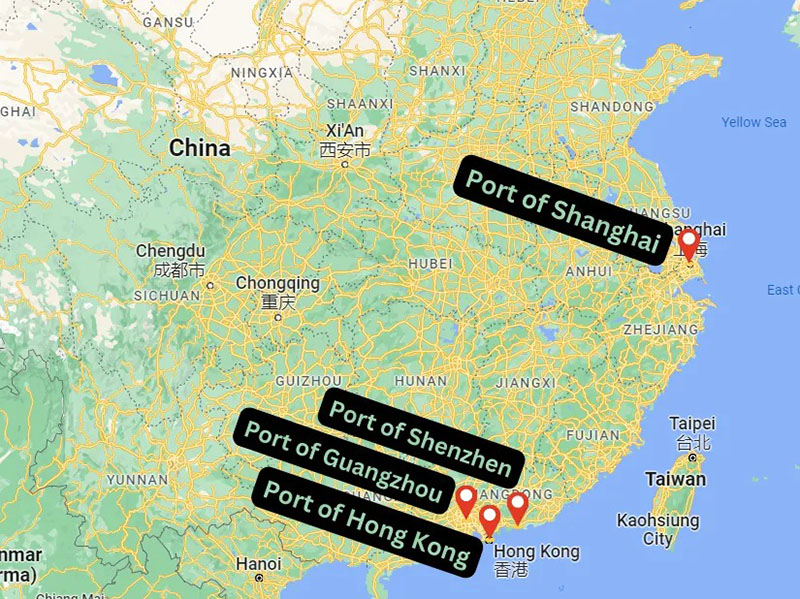
Assume you purchase 15,000 pieces of clothing from a factory in Dongguan, China, and the shipment destination is Los Angeles, USA. The shipment is arranged under FOB terms, and the goods will be exported through a major port such as Shenzhen or Guangzhou.
This example helps clearly illustrate how responsibilities, costs, and risks are divided between the buyer and the seller under FOB terms.
What the Seller (Factory) Does
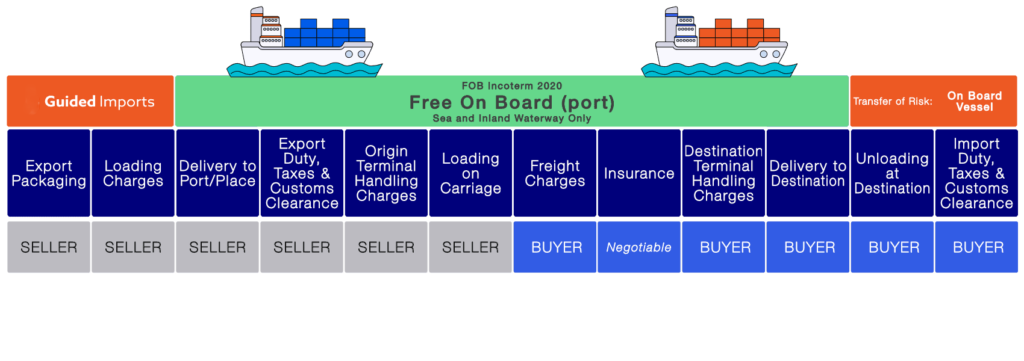
In this case, the garment factory is responsible for all operations within China before the goods are loaded onto the vessel.
The seller will typically:
- Complete bulk production according to approved samples
- Conduct quality inspection and final packing
- Arrange inland trucking from Dongguan to the export port
- Handle export customs declaration and documentation
- Cover all domestic logistics and export-related costs
During this stage, the seller bears full responsibility for the goods. If any damage, loss, or quality issue occurs before loading at the port, the factory is fully liable.
What the Buyer Does
On the buyer side, the main responsibility is managing international transportation and import procedures after shipment is ready.
Typically, the buyer will:
- Appoint a freight forwarder (own agent or supplier-recommended)
- Arrange ocean freight from China to the destination port
- Pay international shipping costs under freight collect terms
- Handle import customs clearance in the United States
- Pay import duties, taxes, and compliance fees
- Organize inland transportation from Los Angeles port to warehouse or fulfillment center
In apparel sourcing practice, experienced buyers often rely on established freight forwarders to manage shipping coordination efficiently and optimize logistics costs.
Risk Transfer Point in FOB
The key moment in FOB is the loading of goods onto the vessel at the origin port.
Once the goods are loaded onto the ship in China:
- Responsibility transfers from seller to buyer
- The buyer assumes all risks during international transport
- Insurance and freight management become the buyer’s responsibility
From this point onward, any damage, delay, or loss during ocean shipping is no longer the responsibility of the factory.
Important Practical Considerations
In real apparel export operations, specifying the correct port is essential, such as FOB Shenzhen or FOB Guangzhou, because different ports affect trucking distance, shipping schedules, and export handling efficiency.
China has multiple major export ports along its coastline, so buyers must confirm the exact loading port in advance and coordinate closely with freight forwarders to ensure timely container pickup and vessel booking. Proper coordination helps avoid unnecessary storage fees, delays, or logistics disruptions in the export process.
What Is FOB Price?
To better explain FOB price meaning in apparel trade, let’s take a real sourcing scenario from China’s garment manufacturing industry.
Assume you place an order of 20,000 pieces of clothing from a supplier in Guangdong, China, and you agree on FOB shipping terms. In this case, the factory will calculate the quotation based on delivering the goods to a designated export port such as Guangzhou or Shenzhen.
Under FOB terms, the seller will include all costs required to move the goods from the factory to the port and complete export customs clearance in advance. This is why FOB pricing is not only the product price, but a combined cost structure.
FOB price formula is:
FOB price = product cost + inland transportation cost + export customs declaration fees
For example:
- Product cost per piece: $10
- Cost from factory to Guangzhou Port: $800
- Customs declaration fee: $500
FOB total value = $10 × 20,000 pieces + $800 + $500 = $201,300
In practice, suppliers may present FOB pricing in two different ways.
One method is to calculate the FOB cost per unit, which means the seller spreads all export-related costs across each product. In this case, the FOB unit price becomes:
FOB price per piece = $201,300 ÷ 20,000 = $10.065 per piece
Another method is to separate product cost and FOB handling cost. For example, the seller may quote:
- Product unit price: $10 per piece
- FOB handling cost (inland transport + customs): $1,300 total
Both methods result in the same total FOB amount, and the buyer is still required to pay the full FOB value before shipment, while the seller handles everything until the goods are loaded onto the vessel at the designated port.
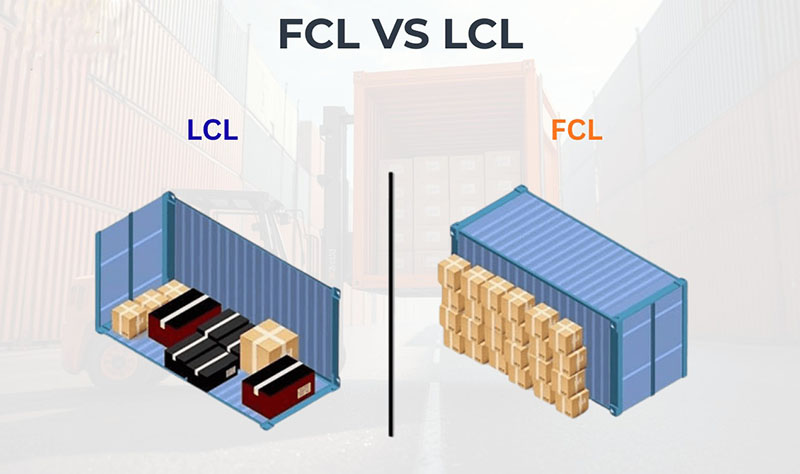
In addition to pricing structure, FOB costs can also be influenced by shipment type. In apparel export operations, FOB pricing is not always fixed in the same way, because the shipping method—especially whether the goods are shipped under FCL (Full Container Load) or LCL (Less than Container Load)—can directly affect the final FOB cost structure.
In real apparel sourcing practice, this difference can be clearly seen in cost variations. For example, if the FOB-related handling cost for an LCL shipment is estimated at around $400 when operated directly by the seller, the same process managed by an overseas freight forwarder may increase the cost to $600 or even higher due to additional handling, coordination, and consolidation fees.
FOB vs CIF in Apparel Trade
CIF stands for “Cost, Insurance, and Freight” and is another widely used Incoterm in global apparel sourcing, especially in trade between China and overseas buyers. Compared with FOB, CIF places more responsibility on the seller during the international transportation process.
Under CIF terms, the seller is responsible for not only producing the garments and handling export procedures, but also arranging and paying for ocean freight and basic cargo insurance up to the destination port in the buyer’s country. This means the seller manages the shipment until it arrives at the destination port, while the risk is still transferred once the goods are loaded onto the vessel, similar to FOB.
After the goods arrive at the destination port, the buyer takes over responsibility for import customs clearance, duties, taxes, and final inland delivery to warehouse or retail location. At this stage, the buyer typically needs to work with local customs brokers and trucking companies to complete the final steps of logistics.
In practical apparel sourcing, CIF is often used by buyers who do not have established freight forwarders or international logistics experience. Since the seller manages shipping and insurance, CIF provides a simpler procurement process for buyers who prefer not to handle international freight arrangements themselves.
It is also important to mention CFR (Cost and Freight), which is very similar to CIF. The main difference is that under CFR terms, the seller is responsible for freight to the destination port but does not provide insurance. Under CIF, insurance is included, while under CFR, the buyer must arrange cargo insurance independently to reduce transportation risk.
FOB vs DDP in Apparel Trade
DDP stands for “Delivered Duty Paid” and represents a fully door-to-door shipping solution in international apparel trade. Compared with FOB, DDP places the highest level of responsibility on the seller throughout the entire logistics chain.
Under DDP terms, the seller is responsible for everything from production at the factory to final delivery at the buyer’s specified destination. This includes export procedures, international transportation, import customs clearance, payment of duties and taxes, and final inland delivery. In this model, the buyer does not need to handle any logistics or customs-related processes and only receives the goods at the final destination.
Because of this simplified structure, DDP is often used by buyers who have limited experience in international sourcing or do not have access to freight forwarders and customs brokers. It is also widely adopted in cross-border e-commerce models, especially for Amazon FBA sellers who require direct delivery of goods from China to fulfillment centers in the destination country.
In comparison, FOB only covers responsibility up to the port of loading, while DDP extends responsibility all the way to the buyer’s warehouse or designated delivery address.
It is also important to distinguish DDP from DDU (Delivered Duty Unpaid). While both are door-to-door delivery models, the key difference is that under DDP, the seller pays all import duties and taxes, whereas under DDU, the buyer is responsible for those import charges upon arrival.
Common Misunderstandings About FOB in Apparel Sourcing
Many new buyers misunderstand FOB in several ways:
Some assume FOB means factory handles everything until delivery, which is incorrect. FOB only covers production and export up to vessel loading.
Others assume FOB price includes freight, but in reality, ocean shipping is always arranged by the buyer.
Another common misunderstanding is ignoring port selection. FOB must clearly specify port name, such as FOB Shenzhen or FOB Ningbo, because different ports affect cost and logistics timing.
Conclusion
FOB is the most important and widely used Incoterm in global apparel trade because it clearly divides responsibility between production and international logistics. It provides a balanced structure where the factory focuses on manufacturing, and the buyer manages shipping and import processes.
For apparel brands, understanding FOB correctly helps improve cost control, reduce logistics risk, and build more efficient global supply chains.
We support global fashion brands with full FOB manufacturing services, including product development, bulk production, quality control, and export coordination. Our goal is to help clients achieve stable, efficient, and scalable apparel sourcing from China to global markets.