Many sweatshirt brands start with a logo and a mood board, but that is not enough to build a real business. The market is crowded, quality mistakes are easy to make, and weak product positioning can turn even a good-looking sweatshirt into a slow seller.
To create a sweatshirt company, you need a clear brand position, a focused product plan, the right fabric and fit direction, a reliable manufacturing partner, realistic pricing, and a consistent brand identity. The strongest sweatshirt companies usually begin with a small but disciplined collection and grow through quality, repeatability, and clear customer understanding.
At Fusionknits, we see sweatshirts as one of the most commercially stable categories in modern apparel. They work in basics, streetwear, resort casualwear, athleisure, schoolwear, and premium comfort collections. But that strength also means competition is high. A sweatshirt company needs more than attractive graphics. It needs product logic.
Why Is a Sweatshirt Company Still a Strong Business Idea?
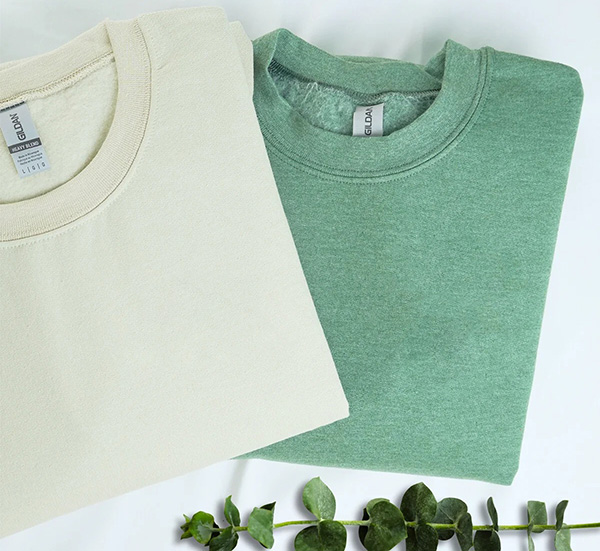
A sweatshirt is no longer just a basic athletic top. It now sits in fashion, comfortwear, travelwear, and branded lifestyle categories. That broad use gives it long-term commercial value.
A sweatshirt company is still a strong business idea because sweatshirts have broad demand, high repeat-wear value, flexible price positioning, and strong room for branding. They can be sold as minimalist essentials, oversized streetwear pieces, premium basics, or graphic-led lifestyle products.
At Fusionknits, we see sweatshirt demand stay strong because the category solves several needs at once. It offers warmth, layering ease, relaxed identity, and visual branding space. A strong sweatshirt can work across many climates and many customer types, which makes it a useful foundation for a new apparel company.
Why the category remains commercially attractive
- Broad age appeal
- Easy fit into daily wardrobes
- Strong repeat-purchase potential
- Good for basics and fashion-led collections
- Easy category expansion into hoodies, joggers, and tees
Why this matters for founders
The product is familiar
Customers already understand how a sweatshirt fits into their wardrobe.
The category is scalable
A focused sweatshirt line can expand into a wider casualwear program.
The market supports different price levels
Entry-level, premium, and niche concepts can all work.
| Business advantage | Why it matters |
|---|---|
| High wardrobe relevance | Easier customer adoption |
| Repeat use | Better reorder potential |
| Broad styling range | More market flexibility |
| Easy product family growth | Better long-term expansion |
What Should Your Sweatshirt Company Stand For?
A new sweatshirt company should not try to stand for everything. It should stand for one clear promise that makes the product easier to understand and easier to remember.

Your sweatshirt company should stand for a specific product identity, such as premium heavyweight basics, clean minimalist sweatshirts, oversized streetwear shapes, vintage-washed casualwear, athletic-inspired essentials, or graphic storytelling pieces. The clearer the focus, the stronger the brand becomes.
At Fusionknits, brand clarity is one of the first signals of long-term potential. If the company does not know what kind of sweatshirt it wants to be known for, the product line often becomes too mixed. That leads to weak pricing, weak storytelling, and weak customer trust.
Strong sweatshirt company directions
- Premium heavyweight basics
- Minimal essential sweatshirts
- Oversized streetwear silhouettes
- Washed vintage casualwear
- Athletic-lifestyle crewnecks
- Graphic-led branded sweatshirts
- Sustainable comfort basics
Why strong positioning matters
It improves product consistency
Fabric, fit, and finishing can follow one clear direction.
It improves marketing clarity
Customers understand the brand faster.
It improves visual identity
A focused range feels more intentional and more memorable.
| Brand position | Core product message |
|---|---|
| Premium basics | Better fabric and cleaner construction |
| Streetwear | Stronger silhouette and fashion identity |
| Vintage casualwear | Washed tones and worn-in character |
| Graphic label | Storytelling and recognizable design |
Who Should You Build the Brand For?
A sweatshirt company becomes much stronger when it is built for a real customer instead of a vague audience. The more clearly the customer is defined, the easier product decisions become.
You should build the brand for a clearly defined customer based on age, style preference, budget, and use habits. The strongest sweatshirt companies know whether they are designing for streetwear buyers, premium basics customers, college-style casualwear shoppers, or comfort-led everyday wearers.
At Fusionknits, customer definition affects every technical decision. A premium basics customer may want denser fleece, cleaner cuffs, and muted colors. A streetwear buyer may want boxier shapes, dropped shoulders, and heavier fabric. A graphic-led customer may care more about artwork placement and print value.
Useful customer questions
- What age group is the brand serving?
- What price level feels natural to that customer?
- Do they wear sweatshirts for style, comfort, or layering?
- Do they prefer oversized or regular fits?
- Are they buying basics or statement products?
Why customer clarity matters
It improves product relevance
The sweatshirt feels made for someone specific.
It improves pricing accuracy
The range is easier to position correctly.
It improves brand communication
Visuals, language, and styling feel more believable.
| Customer type | Likely sweatshirt preference |
|---|---|
| Premium basics buyer | Clean fit and stronger fabric |
| Streetwear buyer | Boxy heavy silhouettes |
| Casual everyday buyer | Soft easy-wear styles |
| Graphic-driven buyer | Visual statement pieces |
What Products Should a New Sweatshirt Company Launch With?
A new company does not need a huge collection. It needs a small group of products that work together and clearly show the brand identity.
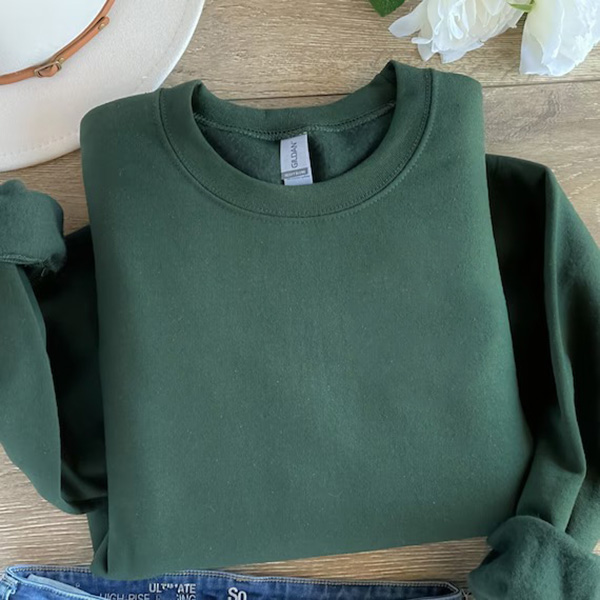
A new sweatshirt company should usually launch with one core sweatshirt silhouette first, then build a small supporting range around it. Strong opening options include a regular-fit crewneck sweatshirt, an oversized heavyweight crewneck, and a washed or graphic variation depending on the brand direction.
At Fusionknits, the first product should be the clearest version of the brand promise. If the company stands for premium basics, the first sweatshirt should show that through fabric, fit, and finishing. If the brand stands for vintage streetwear, the first sweatshirt should express that clearly through shape and wash.
Strong launch products
- Core crewneck sweatshirt
- Oversized version or regular version based on brand position
- One hero color range
- One graphic or washed extension if it fits the brand
- Matching jogger only if the collection needs set-building value
Why a tighter launch is smarter
It keeps development focused
A smaller line is easier to perfect.
It reduces production risk
Inventory becomes easier to manage.
It strengthens the brand message
Customers understand the collection faster.
| Launch product | Best use |
|---|---|
| Core crewneck | Brand foundation |
| Oversized crewneck | Streetwear or premium relaxed line |
| Graphic version | Brand identity extension |
| Matching bottom | Set-based commercial support |
What Fabrics Work Best for a Sweatshirt Company?
Fabric is one of the most important business decisions because it shapes comfort, wash performance, drape, and price. A weak fabric will damage the brand faster than weak marketing.
The best fabrics for a sweatshirt company usually include brushed fleece, French terry, loopback cotton, cotton-poly fleece, heavy cotton-rich knits, and in some premium cases double-knit structures. The right fabric should match the sweatshirt’s intended weight, hand feel, durability, and price point.
At Fusionknits, sweatshirt fabric is always selected by role first. A heavyweight streetwear crewneck may need dense fleece with strong body. A daily essentials sweatshirt may work best in French terry. A broader commercial line may use cotton-poly fleece for better stability and easier care.
Strong sweatshirt fabric directions
- Brushed fleece for warmth and softness
- French terry for trans-seasonal use
- Loopback cotton for premium basics
- Cotton-poly fleece for broader commercial stability
- Heavyweight cotton-rich fleece for streetwear-led products
- Double-knit for more structured premium casualwear
What founders should evaluate carefully
Fabric weight
The sweatshirt should feel right for the intended customer and climate.
Surface quality
Weak surfaces pill quickly and reduce brand trust.
Recovery
Cuffs, neckline, and hem must hold shape over time.
| Fabric type | Best product role |
|---|---|
| Brushed fleece | Warm comfort sweatshirt |
| French terry | Everyday casual sweatshirt |
| Loopback cotton | Premium clean basic |
| Cotton-poly fleece | Broad market reliability |
How Important Are Fit and Pattern Development?
Fit is one of the biggest factors in whether a sweatshirt feels premium, current, or generic. A good fabric cannot fully rescue a weak pattern.

Fit and pattern development are extremely important because they create the real identity of the sweatshirt. The shoulder, chest, sleeve width, body length, neckline, and rib balance all affect whether the product feels modern, comfortable, and commercially relevant.
At Fusionknits, fit direction must match the brand role. An oversized streetwear sweatshirt should still have controlled proportions. A regular-fit premium sweatshirt should not feel boxy unless that is intentional. Strong pattern development turns a basic category into a recognizable branded product.
Key fit areas in sweatshirt development
- Shoulder line
- Chest ease
- Body length
- Sleeve volume
- Neck opening
- Rib proportion at cuff and hem
Why fit matters so much
It defines the brand silhouette
Customers often recognize shape before they notice fabric details.
It affects comfort and layering
A sweatshirt should move naturally and sit well under outerwear.
It influences perceived value
A balanced fit usually feels more premium immediately.
| Fit area | Why it matters |
|---|---|
| Shoulder | Sets the silhouette |
| Body length | Affects proportion |
| Sleeve shape | Changes comfort and style |
| Rib balance | Supports finish and structure |
How Do You Build a Sweatshirt Tech Pack and Sample Properly?
A serious sweatshirt company cannot rely only on reference images. A factory needs accurate instructions to deliver consistent product development.
A strong sweatshirt tech pack should include flat sketches, full measurement charts, fabric composition and weight, rib details, stitch notes, artwork placement, wash instructions, label placement, and packaging directions. Sampling should then test fit, shrinkage, surface behavior, and finishing before bulk approval.
At Fusionknits, weak tech packs often lead to avoidable delays. A sweatshirt may come back too short, too narrow, too soft, or with the wrong neck opening simply because the brief was incomplete. A better tech pack protects both time and money.
A strong sweatshirt tech pack should include
- Front and back flats
- Measurement chart with tolerances
- Fabric and rib specs
- Stitching and seam details
- Artwork, embroidery, or print placement
- Wash notes
- Label and packaging instructions
Why this matters
It improves sample accuracy
The factory understands the product better.
It reduces correction rounds
Clearer notes save time.
It protects repeatability
Bulk production becomes more stable.
| Tech pack area | Why it matters |
|---|---|
| Measurements | Fit control |
| Fabric specs | Material accuracy |
| Rib details | Recovery and finish |
| Artwork notes | Brand consistency |
How Do You Find the Right Manufacturer for a Sweatshirt Company?
The right manufacturer should understand more than stitching. A strong sweatshirt partner should understand fleece, rib, shrinkage, fit, and scalable quality control.
To find the right manufacturer, choose a supplier with strong knitwear and casualwear experience, good sample capability, fabric sourcing strength, stable communication, realistic MOQs, and clear quality-control systems. A good sweatshirt supplier should understand both comfortwear and repeat-use product discipline.
At Fusionknits, we believe the best factory relationship begins with product understanding. A manufacturer that knows sweatshirt construction can help improve fit balance, fabric match, rib performance, and wash stability. That is especially important for startups.
What to check in a supplier
- Sweatshirt and knitwear experience
- Sample quality
- Fabric sourcing options
- Communication speed
- MOQ flexibility
- Print and embroidery support
- QC process
Red flags to avoid
Poor sample control
This often predicts bulk inconsistency.
Weak fabric knowledge
Sweatshirt quality depends heavily on fleece and knit behavior.
Pricing that seems unrealistically low
This often leads to weaker materials or weaker finishing.
| Supplier factor | Why it matters |
|---|---|
| Knitwear experience | Better product execution |
| Strong sample room | Faster product refinement |
| Stable sourcing | Better consistency |
| Clear QC process | Lower risk in bulk |
How Should You Price and Market a Sweatshirt Company?
Pricing and marketing should grow from product truth, not from random competitor copying. A sweatshirt company becomes more stable when price, quality, and brand image match each other.
You should price and market a sweatshirt company by calculating real product cost, defining your target margin, and matching that number to your customer and brand position. Marketing should then explain the value of the sweatshirt through fit, fabric, construction, design story, and lifestyle relevance.
At Fusionknits, we often see new brands underprice early products. That usually creates long-term difficulty because better content, packaging, or upgraded fabric becomes harder to afford later. A more disciplined pricing model creates stronger growth.
Key pricing components
- Fabric and rib cost
- Sample and development cost
- Trim or artwork cost
- Packaging and label cost
- Freight and duties
- Marketing and content cost
- Margin target
Key marketing foundations
- Strong product photography
- Clear fit explanation
- Clear fabric story
- Simple size guidance
- Consistent visual identity
- Strong product naming and styling direction
| Pricing or marketing area | Why it matters |
|---|---|
| Cost discipline | Protects margin |
| Fabric explanation | Supports value perception |
| Fit storytelling | Builds trust |
| Visual consistency | Strengthens brand memory |
How Do You Grow a Sweatshirt Company After Launch?
The best growth usually comes from strengthening the core product first, then expanding in a disciplined way. Too many new founders add categories too quickly and weaken the brand.
You grow a sweatshirt company by refining the best-selling silhouette, adding carefully chosen colors and washes, introducing a second fit or fabric direction, and then expanding into related products such as hoodies, joggers, tees, or seasonal fleece variations. Strong growth follows product logic, not random expansion.
At Fusionknits, the strongest sweatshirt companies usually grow in steps. First they own one shape. Then they add depth through color, wash, graphic direction, or matching categories. This keeps the company coherent.
Smart growth steps
- Improve the core bestseller
- Add deeper color range
- Add a second fit direction
- Expand into hoodies or joggers
- Introduce seasonal fabric updates
- Build stronger packaging and storytelling
- Add limited drops only after the core line is stable
Why this works better
It builds customer trust
People return when the core product remains dependable.
It keeps development disciplined
The line grows around what already works.
It improves repeat sales
Customers can build around a known silhouette.
| Growth step | Best result |
|---|---|
| Core product refinement | Better brand trust |
| Color expansion | Better repeat sales |
| Category extension | Stronger product family |
| Seasonal update | Better market freshness |
Conclusion
Creating a sweatshirt company means building more than a nice logo on fleece. A strong sweatshirt company begins with a clear market position, a defined customer, a focused launch product, the right fabric system, disciplined fit development, a reliable manufacturer, and realistic pricing. The strongest brands usually start with one or two clear sweatshirt silhouettes, supported by strong fabric quality, better pattern balance, and consistent brand presentation. Because sweatshirts sit at the center of modern casualwear, they offer broad commercial potential, but only when the product is developed with real discipline.
At Fusionknits, we believe the best sweatshirt companies grow from product clarity, not from product quantity. The company should know what type of sweatshirt it wants to be known for, why that product matters, and how it will perform after repeated wear and washing.
When fit, fabric, manufacturing, pricing, and brand identity are aligned correctly, a sweatshirt company becomes much easier to scale into hoodies, joggers, tees, and a wider comfortwear business with long-term value.