Many buyers ask for the best sweatshirt material as if one fabric should win in every case. In real product development, that is not how sweatshirts work. A material that performs well in premium basics may not be the best choice for sportswear, schoolwear, or commercial fleece programs. The right answer depends on comfort, weight, softness, recovery, durability, and the role the sweatshirt is meant to play.
At Fusionknits, we do not see one single material as best for every sweatshirt. For most classic everyday sweatshirts, cotton-rich fleece and French terry are usually the strongest choices because they balance softness, comfort, structure, and commercial value. For broader durability and easier care, cotton-poly blends often perform very well. The best material depends on the product category, customer expectation, and end use.
As a professional apparel manufacturer, we see sweatshirt material as the foundation of the whole garment. Fabric affects hand feel, warmth, drape, pilling, shrinkage, and long-term shape. That is why a strong sweatshirt starts with the right material system, not just a nice silhouette or a good logo.
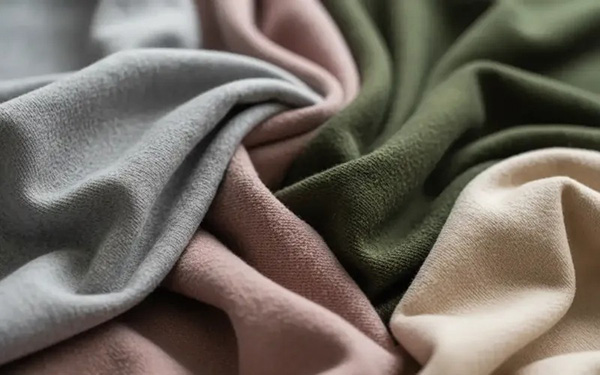
Why is there no single best sweatshirt material for every product?
A sweatshirt is not one fixed product. It can be a premium basic, a heavy streetwear piece, a lightweight layering top, a uniform item, or a winter fleece garment. Each of these products needs a different balance of comfort and performance.
There is no single best sweatshirt material for every product because different sweatshirt categories need different strengths. Some sweatshirts need softness and natural comfort, some need durability and shape retention, and others need lighter weight or year-round versatility.
At Fusionknits, we always start with the product role before choosing the fabric. A heavyweight oversized sweatshirt should not use the same material logic as a trans-seasonal French terry crewneck. When brands skip this step, they often choose a fabric that sounds good in theory but performs poorly in real use.
Why the answer changes by product type
- Different seasons need different weights
- Premium and commercial products have different priorities
- Softness and durability do not always mean the same thing
- Fit and silhouette change how the fabric behaves
- Customer expectation changes by market
Why product role should come first
Fabric should support the intended use
A sweatshirt for lounging is not built the same way as one for streetwear or uniforms.
Material choice affects brand positioning
The same silhouette feels very different in brushed fleece, terry, or a blend.
| Product role | Fabric need |
|---|---|
| Premium basic | Better hand feel and balance |
| Uniform sweatshirt | Stability and durability |
| Heavyweight streetwear | Dense body and shape |
| Everyday casualwear | Comfort and versatility |
Is cotton the best material for a sweatshirt?
In many casualwear and premium-basic categories, cotton is one of the strongest answers. It remains one of the most trusted sweatshirt fibers because of its natural comfort and broad customer acceptance.

Yes, cotton is often one of the best sweatshirt materials for comfort, breathability, and premium casualwear. Cotton-rich sweatshirts usually feel softer, more natural, and more familiar to customers, which makes them especially strong in everyday basics and lifestyle apparel.
At Fusionknits, we often recommend cotton-rich materials when the brand wants a stronger comfort story and a more authentic casualwear feel. Cotton works especially well in French terry, brushed fleece, and loopback sweatshirt fabrics.
Why cotton remains such a strong sweatshirt fiber
- Natural hand feel
- Good comfort against the skin
- Strong consumer trust
- Better fit with premium basics
- Good breathability for daily wear
Why cotton is not always the full answer
Recovery can be weaker
Pure cotton may lose shape more easily than some blended options.
Shrinkage must be controlled
A cotton sweatshirt needs proper finishing and wash management.
| Cotton strength | Why it matters |
|---|---|
| Natural softness | Better comfort story |
| Familiarity | Easier market acceptance |
| Breathability | Better daily wear feel |
Is brushed fleece the best sweatshirt fabric for softness and warmth?
For classic cozy sweatshirts, very often yes. Brushed fleece remains one of the strongest fabric directions when the buyer wants warmth, softness, and a traditional sweatshirt feeling.
Yes, brushed fleece is often the best sweatshirt fabric for softness and warmth because the brushed inside creates a plush surface that feels cozy, insulating, and comfortable. It is one of the most common choices for classic sweatshirts, hoodies, and winter casualwear.
At Fusionknits, brushed fleece is still one of the most commercially dependable sweatshirt materials because it matches what many customers expect from the category. It feels soft, it looks comfortable, and it performs well in cold-weather basics when the quality is strong enough.
Why brushed fleece performs so well
- Plush interior softness
- Strong warmth retention
- Familiar sweatshirt identity
- Good fit with winter and lounge categories
- Strong premium-comfort appeal
What separates better fleece from weak fleece
Brushing quality matters
A good brush finish feels soft without damaging the fabric surface.
Density matters
A dense fleece holds shape better and usually feels more premium.
| Fabric type | Best product role |
|---|---|
| Brushed fleece | Warm comfort sweatshirt |
| Heavy fleece | Premium winter sweatshirt |
| Low-density fleece | Softer value product, but often weaker |
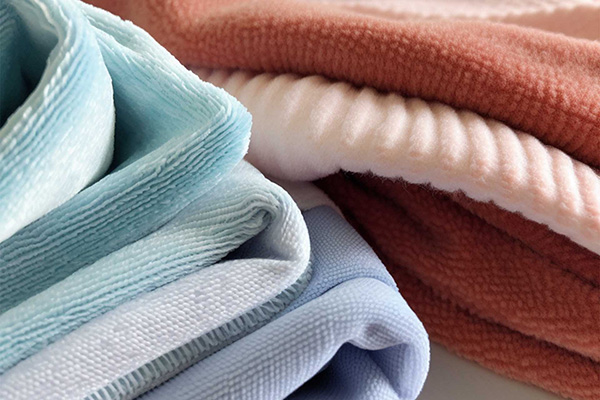
Is French terry the best material for year-round sweatshirts?
In many cases, yes. French terry is one of the most versatile sweatshirt fabrics because it feels comfortable, lighter than fleece, and easier to wear across multiple seasons.
French terry is often the best material for year-round sweatshirts because it offers a balanced combination of softness, breathability, moderate weight, and cleaner structure. It is especially strong in everyday sweatshirts, travelwear, and trans-seasonal casualwear.
At Fusionknits, French terry is one of our favorite fabrics for brands that want versatility. It is less plush than fleece, but often more flexible in use. It can work in spring, autumn, and many indoor or mild-weather settings without feeling too heavy.
Why French terry is such a useful sweatshirt fabric
- Strong all-season wearability
- Better breathability than brushed fleece
- Cleaner internal structure
- Good drape and comfort balance
- Better fit with travel and daily-use products
Why many brands choose it first
It works across more climates
The garment feels less season-limited than a heavy fleece piece.
It supports a refined casual look
French terry often feels cleaner and slightly more elevated.
| Fabric type | Best use |
|---|---|
| French terry | All-season sweatshirt |
| Midweight terry | Broadest commercial balance |
| Heavy terry | Cleaner heavyweight option |
Are cotton-poly blends better than 100% cotton?
For many commercial sweatshirt programs, yes. Cotton-poly blends are popular because they often solve practical problems such as shrinkage, shape loss, and easier care.
Cotton-poly blends are often better than 100% cotton when the product needs stronger recovery, better durability, lower shrink risk, and easier repeated washing. In many mass-market and uniform sweatshirt programs, blends are one of the most practical choices.
At Fusionknits, we often use cotton-poly blends when the product must perform reliably at scale. These blends can still feel soft, especially in brushed fleece, while offering better long-term stability than weak pure cotton constructions.
Why cotton-poly blends are so common
- Better shape retention
- Better wash stability
- Lower wrinkle and shrink issues
- Stronger broad-market durability
- Good balance of comfort and performance
Some buyers prefer a more natural hand feel
Pure cotton often feels richer in premium casualwear.
Product identity matters
A luxury-feeling sweatshirt may need a different fabric story than a school basic.
| Blend strength | Product benefit |
|---|---|
| Better recovery | Cleaner long-term shape |
| Easier care | Better broad-market use |
| Stronger stability | Better repeat performance |
This is where the category becomes more refined. Not every great sweatshirt needs plush fleece. Some premium sweatshirts use loopback cotton or cleaner knit structures to create a more elevated result.

Loopback cotton and other premium sweatshirt knits are excellent when the goal is a more refined, breathable, and structured sweatshirt. These materials are often chosen for premium basics, minimalist collections, and heavier luxury-casual products where the fabric should feel substantial without depending only on fluffy softness.
At Fusionknits, loopback cotton is especially strong in premium sweatshirts because it offers density, cleaner structure, and a more mature casualwear identity. It usually feels less plush than brushed fleece, but more refined.
- They offer cleaner structure
- They support better silhouettes
- They can feel more durable and controlled
- They improve premium perception
- They expand the sweatshirt category beyond lounge comfort
Premium basics programs
The brand may need more refinement than classic fleece softness.
Structured oversized sweatshirts
A better fabric body helps the silhouette hold correctly.
| Premium fabric direction | Main effect |
|---|---|
| Loopback cotton | Refined structure |
| Heavy French terry | Clean premium balance |
| Dense cotton-rich fleece | Luxury comfort |
What material is best for a sweatshirt if durability matters most?
If durability is the main priority, the best answer often shifts away from softness alone. The material must hold shape, survive washing, and resist breakdown in repeated use.
If durability matters most, cotton-poly blends and well-engineered dense sweatshirt knits are often the best materials. They usually provide better shape retention, stronger recovery, and more reliable repeated-wash performance than weaker lightweight cotton constructions.
At Fusionknits, durability is especially important in uniforms, schoolwear, promotional products, and high-volume basics. In these categories, the best material is often the one that stays stable over time, not only the one that feels soft on day one.
What improves sweatshirt durability
- Denser knit structure
- Better recovery
- Stronger yarn quality
- Better wash stability
- Lower shrink risk
Why durability changes the answer
The garment must survive repeat use
A sweatshirt is usually worn and washed often.
Weak softness is not enough
A fabric that feels nice once but collapses later is not truly strong.
| Durability priority | Better fabric direction |
|---|---|
| Long-term shape | Cotton-poly blend |
| High-use consistency | Dense knit blend |
| Broad commercial reliability | Structured fleece blend |
So what is the best material for a sweatshirt overall?
The most useful answer is not one fabric name only. It is a category-based answer. But if one material family must lead for broad everyday use, cotton-rich fleece and French terry are usually the strongest overall choices.
At Fusionknits, the best overall material for a sweatshirt is usually cotton-rich fleece for classic softness and warmth, or French terry for all-season versatility. For durability-led commercial products, cotton-poly blends are often the strongest practical choice. The best material depends on whether the sweatshirt is meant for comfort, versatility, durability, or premium structure.
Conclusion
The best material for a sweatshirt depends on what the garment is meant to do. Cotton-rich fleece is often the best choice for classic soft and warm sweatshirts because it delivers the comfort many customers expect.
French terry is often the best choice for year-round sweatshirts because it balances breathability, softness, and versatility. Cotton-poly blends are often the best practical choice when durability, shape retention, and easier care matter most. Premium loopback cotton and dense terry fabrics can also be the best answer when a brand wants a more refined and structured sweatshirt.
At Fusionknits, we believe the strongest sweatshirt material decisions always begin with product purpose. A good sweatshirt should feel right for its category, not only sound good in a fabric description. When brands match the material to the real use, the sweatshirt becomes more comfortable, more stable, and more valuable in long-term wear.