Many people hear about the “3 layer rule” in outdoor and activewear contexts but are unsure what it really means. It is more than a guideline—it is a system to regulate temperature, moisture, and comfort in variable environments. Wearing the wrong combination can lead to overheating, sweating, or discomfort.
At Fusionknits, we explain the 3 layer rule as a structured method for layering garments to maximize comfort, warmth, and performance. It involves three distinct layers: a base layer to manage moisture, a mid layer for insulation, and an outer layer for protection from wind, rain, or snow. Each layer has a specific purpose, and when combined correctly, they create a flexible and functional outfit suitable for a range of conditions.
As a professional apparel manufacturer, we design activewear, loungewear, and outerwear with this principle in mind to ensure garments complement one another and provide optimal performance and comfort.
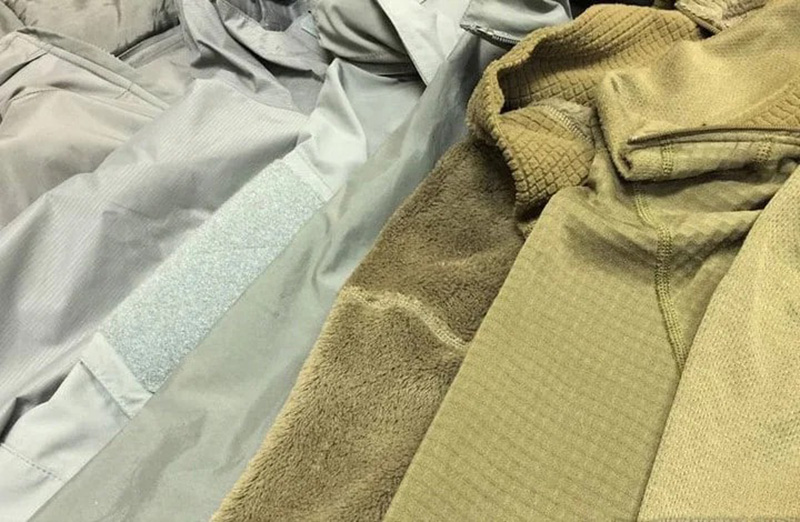
Why the 3 layer rule is important
The 3 layer rule provides a framework for adapting to changing temperatures and activity levels. It prevents the body from overheating while maintaining warmth and dryness.
At Fusionknits, we emphasize that each layer has a function: the base layer wicks moisture, the mid layer retains heat, and the outer layer shields from environmental elements. This system ensures that even during strenuous activity or variable weather, the wearer remains comfortable and protected.
Benefits of following the rule
- Regulates body temperature
- Reduces sweating and overheating
- Provides flexibility for layering or removing layers
- Enhances comfort during prolonged outdoor activities
| Layer principle | Function |
|---|---|
| Base layer | Moisture management, keeps skin dry |
| Mid layer | Insulation, retains body heat |
| Outer layer | Protection from wind, rain, snow |
What fabrics are ideal for each layer?
The performance of each layer depends on fabric choice. Using the wrong fabric can negate the benefits of layering.

At Fusionknits, we select fabrics based on their role:
- Base layer: Lightweight, moisture-wicking fabrics like polyester, merino wool, or nylon blends.
- Mid layer: Warm, insulating fabrics like fleece, brushed knits, or lightweight wool.
- Outer layer: Weather-resistant fabrics like nylon, polyester, or specialized coated textiles for wind and water protection.
Fabric combination impacts mobility, breathability, and thermal regulation. Choosing fabrics with complementary stretch, drape, and weight ensures overall comfort.
Base layer fabrics
- Polyester-spandex: wicks moisture, flexible
- Merino wool: soft, breathable, temperature-regulating
- Nylon blends: durable and light
Mid layer fabrics
- Fleece: lightweight, insulating, soft
- Wool blends: warmth without bulk
- Brushed knits: cozy texture, moderate insulation
Outer layer fabrics
- Nylon: windproof and lightweight
- Polyester: durable, water-resistant
- Laminated shells: waterproof, breathable
| Layer | Recommended fabrics | Purpose |
|---|---|---|
| Base | Polyester, merino, nylon | Moisture management |
| Mid | Fleece, wool, brushed knits | Insulation |
| Outer | Nylon, polyester, laminated shells | Weather protection |
How to build the layers effectively
Effective layering is not just about putting three garments on; it requires coordination of weight, stretch, and fit.
At Fusionknits, we ensure garments are designed to fit together: a close-fitting base layer under a relaxed mid layer, and an outer layer with enough room for movement. This maintains flexibility, prevents restriction, and allows air circulation between layers for effective thermal regulation.
Layering tips
- Keep base layer snug but not restrictive
- Choose mid layer with slight relaxation for insulation
- Outer layer must accommodate underlying layers
- Avoid bulky combinations that restrict movement
- Ensure breathability to prevent overheating
| Layer | Fit advice |
|---|---|
| Base | Slim, flexible, breathable |
| Mid | Relaxed, insulating, stretch-friendly |
| Outer | Loose enough to layer, protective |
How activity level affects layering
Activity intensity influences the choice of fabrics and the thickness of each layer. High-intensity activities generate heat, requiring lighter insulation, while low-intensity or stationary activities may need thicker mid layers.
At Fusionknits, we recommend adjusting layer thickness according to exertion:
- Running or hiking: lightweight base and mid layers, breathable outer shell
- Low-intensity outdoor work: thicker mid layer for warmth
- Casual outdoor wear: balance style and insulation
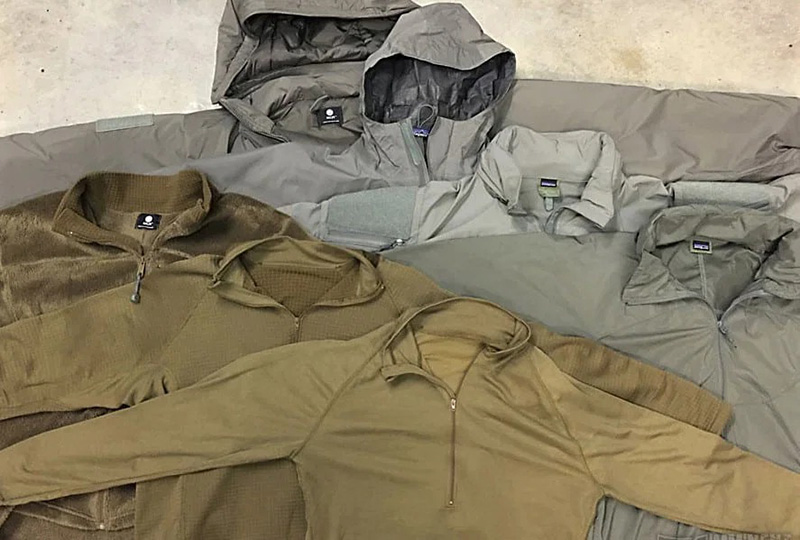
Layering adjustments by activity
| Activity | Base layer | Mid layer | Outer layer |
|---|---|---|---|
| High-intensity | Moisture-wicking thin | Lightweight fleece | Breathable shell |
| Moderate | Soft synthetic | Medium fleece | Standard shell |
| Low-intensity | Comfortable knit | Thick brushed | Weatherproof coat |
How layering improves comfort and versatility
The 3 layer rule allows flexibility for varying temperatures. Layers can be removed or added without compromising comfort. This principle also applies to indoor/outdoor transitions, travel, and unpredictable weather.
At Fusionknits, we design loungewear, activewear, and outerwear with this flexibility in mind. Fabrics, cuts, and stretch properties are coordinated so that garments complement each other in both comfort and performance.
Layering also allows customers to combine aesthetics and function, using textures, colors, and patterns across layers to enhance style while maintaining practical benefits.
Practical layering advantages
- Adjust for indoor/outdoor transitions
- Customize warmth according to activity
- Coordinate textures and colors for style
- Reduce need for multiple wardrobe changes
| Advantage | Effect |
|---|---|
| Temperature control | Comfort maintained under variable conditions |
| Adaptability | Allows flexible clothing adjustments |
| Style layering | Adds fashion and depth |
| Efficiency | Reduces the number of garments needed |
How to educate customers on the 3 layer rule
For brands selling fitness, outdoor, or loungewear, explaining the 3 layer rule increases perceived value. Customers understand why different fabrics and cuts matter, which helps with product selection.

At Fusionknits, we advise brands to provide guidance through labeling, online tutorials, or social media content. Demonstrating the principle helps customers mix and match products correctly, improving satisfaction and brand loyalty.
Key education points
- Purpose of each layer
- Fabric choice for performance
- Fit coordination between layers
- Activity-specific recommendations
| Educational tool | Benefit |
|---|---|
| Product labels | Quick guidance |
| Online videos | Demonstrates layering combinations |
| Social media | Engages customers and builds brand trust |
Conclusion
The 3 layer rule is a fundamental strategy for optimizing comfort, performance, and style in clothing. It combines a moisture-wicking base layer, an insulating mid layer, and a protective outer layer to regulate temperature, manage sweat, and maintain mobility. Choosing the right fabrics, coordinating fits, and considering activity levels ensures each layer works harmoniously.
At Fusionknits, we approach the 3 layer rule from a manufacturing perspective. We design each garment to complement other layers, balancing stretch, drape, and durability.
Fabrics are selected for function and comfort, while ergonomic patterns and finishes ensure that garments perform under movement and repeated use. By following the 3 layer rule, customers achieve practical warmth, flexibility, and aesthetic appeal, whether in activewear, loungewear, or outerwear, demonstrating that thoughtful layering is both functional and stylish.