Many people in fashion and retail use the term “bottom” to refer to garments worn on the lower half of the body, such as pants, shorts, skirts, or leggings. However, depending on context and style, bottoms can be referred to by several alternative names that clarify their function, fit, or category.
At Fusionknits, we define “bottoms” broadly to include pants, shorts, leggings, joggers, skirts, and other garments covering the lower body. The choice of term often depends on the garment’s style, material, or intended use, providing both functional and stylistic clarity in professional fashion settings.
As a professional apparel manufacturer, we observe that accurate terminology is important for design, production, and marketing to ensure consistency and customer understanding.
Why terminology matters
Using the correct term for a bottom garment ensures that consumers, retailers, and manufacturers communicate clearly. Ambiguous terms can create confusion about fit, fabric, and style.
At Fusionknits, we emphasize precise language to maintain clarity in product descriptions, manufacturing specifications, and marketing materials. Accurate terminology also helps in categorizing products, setting pricing, and targeting the right audience.
Key considerations
| Term | Context |
|---|---|
| Bottom | General term for lower-body garments |
| Pants | Typically long-legged, can be casual or formal |
| Shorts | Shorter garments, often casual or athletic |
| Leggings | Tight-fitting, stretchable, activewear or casual |
| Joggers | Relaxed fit, elastic waistband, tapered leg |
| Skirts | Lower-body garments without legs, varied lengths |
What garments fall under “bottoms”?
Bottoms include any garment designed to cover the waist down to various lengths on the legs. These garments vary by style, fabric, and function, and each has a specialized name depending on context.

At Fusionknits, common bottoms we manufacture include:
- Pants: Dress pants, chinos, or casual trousers for formal and semi-formal wear
- Shorts: Athletic shorts, casual lounge shorts, or tailored shorts
- Leggings: High-stretch, tight-fitting pants for athletic or casual wear
- Joggers/Sweatpants: Elastic waist and tapered legs for comfort and mobility
- Skirts: Casual or dress skirts, varying in length and material
Functional benefits
| Garment | Use case |
|---|---|
| Pants | Workwear, casual outings, formal events |
| Shorts | Warm-weather wear, athletic activities |
| Leggings | Movement-intensive activities, loungewear |
| Joggers | Comfort, loungewear, casual streetwear |
| Skirts | Fashion-focused, casual to semi-formal settings |
How fabric determines the naming
Fabric choice often influences whether a garment is called pants, leggings, joggers, or shorts. Stretchy, body-hugging fabrics are typically called leggings, whereas woven, structured fabrics are classified as pants.
At Fusionknits, we consider fabric type when naming garments:
- Cotton or cotton blends for casual pants or joggers
- Polyester-spandex for leggings or active bottoms
- Wool blends for tailored pants or formal skirts
Fabric-specific naming
| Fabric | Common term |
|---|---|
| Knit cotton | Joggers, sweatpants, casual pants |
| Polyester-spandex | Leggings, activewear bottoms |
| Woven cotton or wool | Chinos, dress pants, formal skirts |
How fit influences the term
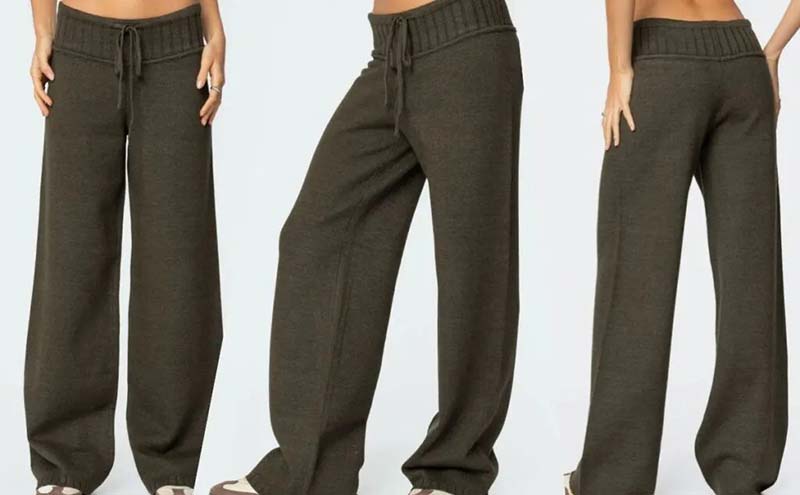
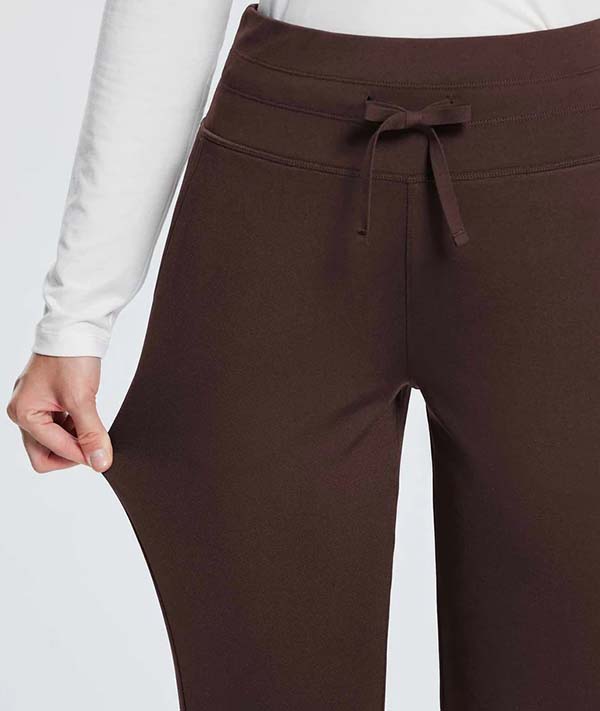
Fit and silhouette affect the classification of a bottom garment. Loose, relaxed fits with elastic waists are often called joggers or sweatpants. Slim or tight-fitting garments may be labeled leggings or skinny pants, while tailored garments are referred to as trousers or chinos.
At Fusionknits, we tailor fit to garment purpose and fabric to ensure correct terminology and customer satisfaction. Proper fit enhances comfort, performance, and style.
Fit considerations
- Relaxed or tapered leg: joggers or sweatpants
- Tight or compressive: leggings
- Straight or tailored leg: pants, chinos, trousers
- Flared or pleated: skirts or wide-leg pants
| Fit type | Recommended term |
|---|---|
| Relaxed, elastic waist | Joggers, sweatpants |
| Slim, stretchable | Leggings |
| Structured, formal | Trousers, chinos |
| Flared or pleated | Skirts, wide-leg pants |
How cultural and regional differences influence naming
Regional and cultural factors influence which terms are used. For example, “pants” in the US refers to all leg coverings, while in the UK, “trousers” is more common. Similarly, athletic or casual bottoms are often called “track pants” or “joggers” depending on the region.
At Fusionknits, we design and label products with both international and local terminology in mind, ensuring that descriptions align with consumer expectations across different markets.
Examples of regional differences
| Region | Common term |
|---|---|
| United States | Pants, joggers, sweatpants, leggings |
| United Kingdom | Trousers, track pants, leggings |
| Australia | Track pants, casual pants |
| Europe | Trousers, leggings, joggers |
Why accurate naming matters for manufacturing and retail
Accurate garment terminology aids in production planning, pattern making, inventory categorization, and marketing. It ensures that both customers and retailers understand the product’s style, fit, and purpose.
At Fusionknits, proper naming helps streamline manufacturing, reduce errors, and maintain consistency across collections. Clear terms also enhance online product listings and physical merchandising, improving the buying experience.
Manufacturing advantages
| Purpose | Benefit |
|---|---|
| Correct naming | Accurate pattern and fabric allocation |
| Standardized terminology | Consistent inventory and production workflow |
| Clear marketing | Aligns customer expectations with product design |
Conclusion
“Bottom” is a general term encompassing pants, shorts, leggings, joggers, skirts, and other lower-body garments. Alternative names clarify style, fit, and fabric purpose. Fabric type, fit, and region influence terminology, ensuring that each garment is accurately described and fits its intended function.
At Fusionknits, we design bottoms with careful attention to fabric selection, fit, and construction to meet both functional and aesthetic requirements.
Proper naming ensures accurate production, effective marketing, and clear communication with consumers. By understanding the distinctions between pants, joggers, leggings, shorts, and skirts, brands can better guide customers while delivering high-quality garments that are comfortable, versatile, and stylish across diverse settings.