
Many people are unsure about how often to wash polo shirts because over-washing can cause fabric wear and fading, while under-washing can compromise hygiene and appearance. Polo shirts are a wardrobe staple that bridges casual and semi-formal attire, so proper care is essential to maintain their softness, shape, and color.
At Fusionknits, we recommend washing polo shirts based on wear frequency, activity level, and the type of fabric used. A high-quality polo can remain comfortable and visually appealing over time if properly cared for, which also extends its lifespan and preserves the premium feel expected from professionally manufactured garments.
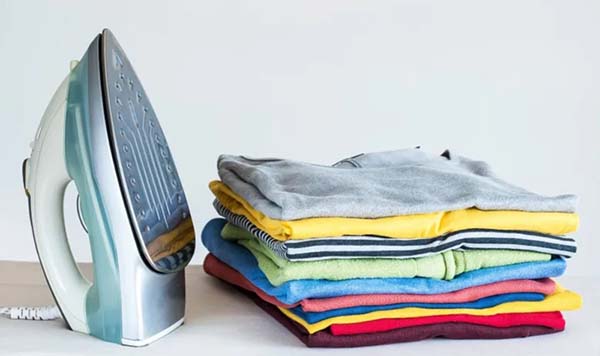
Why washing frequency matters
Washing frequency is not just about cleanliness; it also affects garment longevity and appearance. Too frequent washing can lead to shrinkage, fading, and pilling, whereas infrequent washing may cause stains, odor, or fabric breakdown from accumulated sweat. Understanding the balance between hygiene and fabric preservation ensures that your polo shirts remain functional and presentable.
At Fusionknits, we advise considering how often a polo is worn, the level of activity, and whether the wearer sweats during use. These factors determine the optimal washing schedule and help prevent damage to the fibers, keeping the shirt in good condition while maintaining its fit and softness.
Key considerations
| Factor | Impact on Polo Shirt |
|---|---|
| Fabric type | Natural fibers vs. synthetic blends require different care approaches |
| Sweat or stains | Direct contact may necessitate earlier washing |
| Frequency of use | Determines whether the shirt can be worn multiple times before cleaning |
Recommended washing frequency
For regular wear, polo shirts do not require washing after every single wear. Light use, such as office or casual indoor activity, can allow for multiple wears before washing, while active or sweaty conditions may require more frequent laundering.

At Fusionknits, our general recommendation is:
- Light wear: Wash after 3–5 wears
- Active or hot-weather use: Wash after each wear if there is heavy perspiration
- Stained or visibly soiled: Wash immediately to prevent permanent marks or odors
This approach balances hygiene and fabric care, ensuring that the polo maintains both its look and longevity without excessive washing.
Practical tips
- Hang polo shirts to air out between wears to reduce odor
- Spot-clean minor stains instead of full washing to preserve fibers
- Choose breathable fabrics to minimize moisture accumulation and prevent odor
| Wear condition | Washing recommendation |
|---|---|
| Casual indoor wear | After 3–5 wears |
| Outdoor or athletic activity | After each wear |
| Stained or soiled | Immediate washing |
How fabric affects washing frequency
The type of fabric significantly impacts how often a polo shirt should be washed. Cotton is soft and breathable, making it comfortable but prone to shrinkage and color fading if over-washed. Blends, such as cotton-polyester, combine natural softness with durability and shape retention, allowing slightly longer intervals between washes.
At Fusionknits, we emphasize that performance fabrics like polyester or polyester-spandex can be worn multiple times before washing due to their moisture-wicking properties and odor resistance. Luxury fibers like merino wool or cashmere blends require even more careful handling, often tolerating multiple wears due to their natural anti-odor and temperature-regulating qualities.
Fabric-specific recommendations
| Fabric | Wash frequency | Notes |
|---|---|---|
| Cotton | 3–5 wears | Gentle detergents recommended; avoid hot water |
| Polyester blends | 3–4 wears | Retains shape and color better than pure cotton |
| Merino or cashmere | 5+ wears | Hand wash or dry-clean for long-term durability |
How to wash polo shirts properly
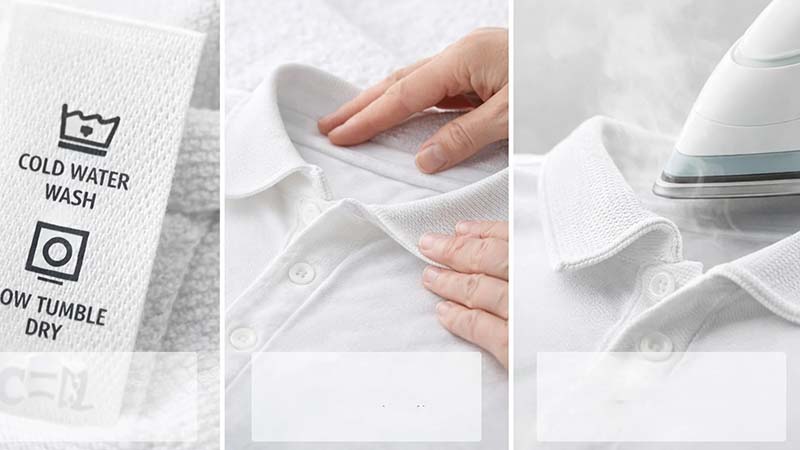
Proper washing techniques extend the life of a polo shirt and maintain its softness, color, and shape. Washing in cold water with a gentle cycle reduces fiber stress and preserves the fabric’s hand feel. Turning the shirt inside out prevents abrasion on the surface and keeps logos, embroidery, or prints intact.
At Fusionknits, we advise air drying whenever possible, as high heat from dryers can cause shrinkage and reduce softness. Avoiding bleach and harsh detergents ensures that the fibers remain strong and colors do not fade prematurely, maintaining a polished, professional appearance.
Care tips
| Step | Benefit |
|---|---|
| Cold/warm water wash | Protects fibers and prevents shrinkage |
| Gentle detergent | Maintains softness and prevents fading |
| Inside-out washing | Protects surface details and color |
| Air drying | Reduces risk of shrinkage and fabric damage |
How storage affects polo shirt maintenance
Storage practices play a role in the frequency of washing because improper storage can lead to wrinkles, stretching, or odor retention. Hanging polo shirts on padded or wooden hangers preserves their shoulder shape, while folding knits prevents stretching in delicate fabrics. Avoiding overcrowding in drawers or closets reduces friction between garments, keeping fabrics smooth and minimizing the need for frequent laundering.
At Fusionknits, we recommend rotating polo shirts in your wardrobe to give each piece a chance to rest between wears. Proper storage also prolongs the lifespan of the collar and sleeve cuffs, areas that are particularly prone to wear and deformation.
Storage tips
| Storage method | Benefit |
|---|---|
| Hanging | Maintains shoulder structure |
| Folding | Prevents stretching for knits |
| Avoid overcrowding | Reduces friction and wrinkles |
Spot cleaning and odor management
Not all stains or odors require a full wash. Spot cleaning is an effective way to maintain cleanliness while preserving the shirt’s integrity. Light stains can often be removed with a damp cloth and mild soap. For odor, letting the shirt air out or using fabric-safe deodorizing sprays can maintain freshness without excessive laundering.

At Fusionknits, we encourage spot cleaning to reduce wear on fibers caused by repeated washing. This method extends the shirt’s life, preserves color, and maintains a soft hand feel for longer periods.
Spot cleaning benefits
| Cleaning method | Advantage |
|---|---|
| Spot cleaning | Removes stains without stressing fabric |
| Deodorizing spray | Maintains freshness between washes |
| Airing | Prevents odor accumulation without washing |
Conclusion
Determining how often to wash polo shirts depends on wear frequency, activity level, and fabric type. Light indoor use may require washing only after 3–5 wears, while active or sweaty conditions necessitate washing after each use. Proper care—such as cold water washes, gentle detergents, and air drying—maintains softness, shape, and color.
At Fusionknits, we approach polo shirt care with a professional manufacturing perspective. Fabrics are selected for durability, comfort, and performance, and garment construction ensures resilience to repeated use and washing.
By following recommended washing guidelines, consumers can enjoy long-lasting polo shirts that remain soft, well-fitted, and stylish, while preventing pilling, shrinkage, and wear. Correct care allows polo shirts to perform optimally in casual, semi-formal, and active settings, maintaining both comfort and professional appearance.