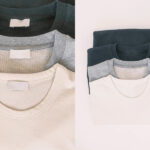
Bamboo fabric has gained attention in recent years for its softness, eco-friendly appeal, and natural antibacterial properties. Despite these advantages, bamboo is not as widely used in clothing as cotton, polyester, or blends. Understanding the reasons requires examining production challenges, cost factors, and sustainability considerations.
At Fusionknits, we analyze fiber selection carefully, balancing consumer demand, performance characteristics, and manufacturing feasibility. While bamboo fibers have benefits, practical and economic challenges often limit their adoption in mainstream apparel manufacturing.
As a professional clothing manufacturer, we explore the barriers to widespread bamboo use, including fiber processing methods, production costs, durability concerns, and market perception.
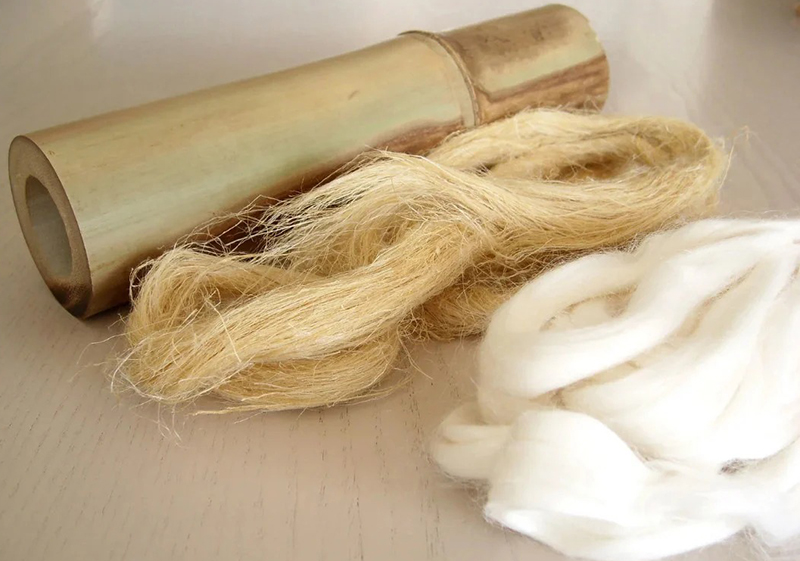
What is bamboo fabric?
Bamboo fabric is made from the pulp of bamboo plants. It can be mechanically processed into bamboo linen or chemically processed into bamboo viscose. Bamboo fibers are soft, breathable, and naturally antibacterial, making them attractive for loungewear, activewear, and baby clothing.
At Fusionknits, we appreciate the softness and eco-friendly nature of bamboo, but also recognize that processing methods significantly impact cost, environmental footprint, and fiber performance in garments.
Bamboo fiber types
| Fiber Type | Description | Advantages |
|---|---|---|
| Mechanical (bamboo linen) | Physical crushing and retting | Eco-friendly, strong, natural texture |
| Chemical (bamboo viscose) | Chemical treatment of pulp | Soft, silky, smooth hand feel |
| Bamboo blends | Mixed with cotton or synthetic fibers | Improves durability and reduces cost |
Why bamboo isn't as widely used
Despite its benefits, bamboo faces several barriers that prevent mass adoption in clothing. These include complex processing, higher costs, durability concerns, and inconsistent supply.

At Fusionknits, we weigh these factors carefully when recommending fabrics to brands, ensuring that performance, comfort, and commercial viability align.
Key barriers
| Barrier | Explanation |
|---|---|
| Processing complexity | Bamboo requires mechanical or chemical treatment to produce fibers suitable for textiles |
| Cost | Chemical processing is expensive and requires specialized equipment |
| Durability | Bamboo fabrics, especially viscose, can weaken over repeated washing |
| Supply consistency | Bamboo quality and availability vary by region |
| Consumer awareness | Limited awareness and higher retail pricing can reduce demand |
How fiber processing impacts cost and sustainability
Bamboo fabric is not naturally textile-ready. Mechanical processing (bamboo linen) is environmentally friendly but labor-intensive and costly. Chemical processing (bamboo viscose) produces soft fibers but involves chemicals that can harm the environment if not managed properly.
At Fusionknits, we ensure that any bamboo fabrics we use come from suppliers that follow eco-conscious chemical management and sustainable harvesting practices to minimize environmental impact.
Processing considerations
| Process | Pros | Cons |
|---|---|---|
| Mechanical | Eco-friendly, retains fiber strength | Expensive, coarse texture |
| Chemical | Soft, versatile, smooth | Environmental concerns, higher cost, requires careful handling |
| Blended | Balances softness and durability | Reduces percentage of bamboo fiber, may dilute eco-benefits |
Durability and performance challenges
Bamboo fibers can be weaker than cotton or synthetic alternatives, particularly when chemically processed into viscose. Stretch, abrasion resistance, and shape retention may be lower, affecting garment longevity. This makes bamboo less suitable for high-performance activewear or heavy-use garments.
At Fusionknits, we blend bamboo with cotton or spandex to enhance durability, elasticity, and garment lifespan without losing the soft feel that makes bamboo desirable.
Performance comparison
| Fabric | Softness | Durability | Moisture Management |
|---|---|---|---|
| Bamboo Viscose | High | Moderate | Good, breathable |
| Cotton | Medium-High | High | Moderate, absorbs moisture |
| Polyester | Low | Very High | Excellent, wicks moisture |
| Bamboo/Cotton Blend | High | High | Improved moisture management and longevity |
Cost factors in manufacturing
The raw material, fiber processing, and specialized machinery required for bamboo fabrics make them more expensive than conventional cotton or polyester. Small-batch production or specialty bamboo garments further increases unit costs, limiting affordability for mass-market brands.
At Fusionknits, we analyze the cost-benefit trade-offs when selecting bamboo for loungewear or premium apparel lines, ensuring the material aligns with brand pricing strategy and consumer expectations.
Cost influences
| Factor | Impact |
|---|---|
| Raw bamboo supply | Fluctuating availability can increase cost |
| Processing | Mechanical or chemical treatment raises expense |
| Blending | Requires additional materials for durability |
| Production scale | Small-batch production increases per-unit cost |
Market perception and consumer awareness
Although bamboo is often marketed as sustainable and luxurious, consumer awareness is limited. Many shoppers are unfamiliar with its benefits or may be skeptical of eco-claims. As a result, demand for bamboo apparel is lower compared to cotton, polyester, or blends with established reputations.

At Fusionknits, we work with brands to educate consumers about bamboo benefits while highlighting garment performance and sustainability, improving market acceptance and sales potential.
Awareness challenges
| Factor | Effect |
|---|---|
| Limited marketing | Consumers may not recognize advantages |
| Skepticism | Concerns about chemical processing in viscose |
| Premium pricing | Higher cost may reduce purchase intent |
Potential solutions for wider adoption
Blending bamboo with other fibers, investing in eco-friendly chemical processing, and educating consumers on benefits can increase adoption. Lightweight bamboo-cotton blends are becoming popular in loungewear, T-shirts, and baby clothing due to comfort and sustainability perception.
At Fusionknits, we recommend blends and targeted product lines to balance cost, performance, and marketability, ensuring that bamboo is both functional and commercially viable.
Strategies to increase adoption
| Strategy | Benefit |
|---|---|
| Fiber blends | Enhance durability and reduce cost |
| Eco-certifications | Build consumer trust in sustainability |
| Product positioning | Target niche markets for premium or eco-conscious buyers |
| Marketing education | Highlight softness, breathability, and antibacterial properties |
Conclusion
Bamboo fabrics offer softness, breathability, and eco-friendly appeal, but challenges including complex processing, higher cost, durability issues, and limited consumer awareness limit widespread adoption. Mechanical or chemical processing methods, while producing high-quality fabric, require careful handling and investment, making bamboo less accessible than cotton or synthetic alternatives.
At Fusionknits, we integrate bamboo selectively, combining it with cotton, spandex, or polyester to enhance durability, comfort, and performance while preserving its natural advantages.
By balancing fiber selection, processing techniques, and consumer education, brands can leverage bamboo’s unique properties to produce premium, sustainable apparel that meets modern expectations for comfort, style, and environmental responsibility.