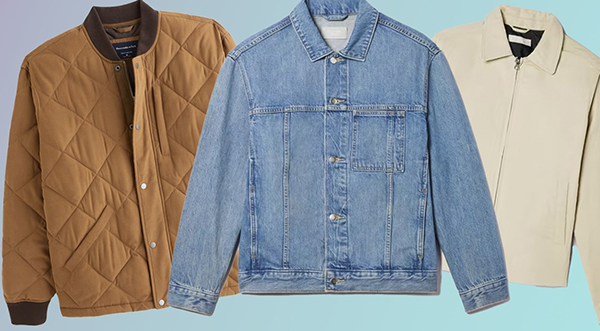
Jackets are complex garments that combine style, function, and comfort. Unlike simpler clothing items, jackets often incorporate multiple materials, layers, and finishes, which makes their production more intricate. Understanding the factors involved in manufacturing jackets is crucial for apparel brands and manufacturers.
At Fusionknits, we approach jacket manufacturing with a professional perspective, focusing on material selection, insulation, stitching precision, and finishing processes to ensure high-quality, durable, and functional garments.
As a professional clothing manufacturer, we explore why jackets are challenging to make, what factors influence production difficulty, and how expertise and technology can streamline the process.
What makes jackets complex to produce?
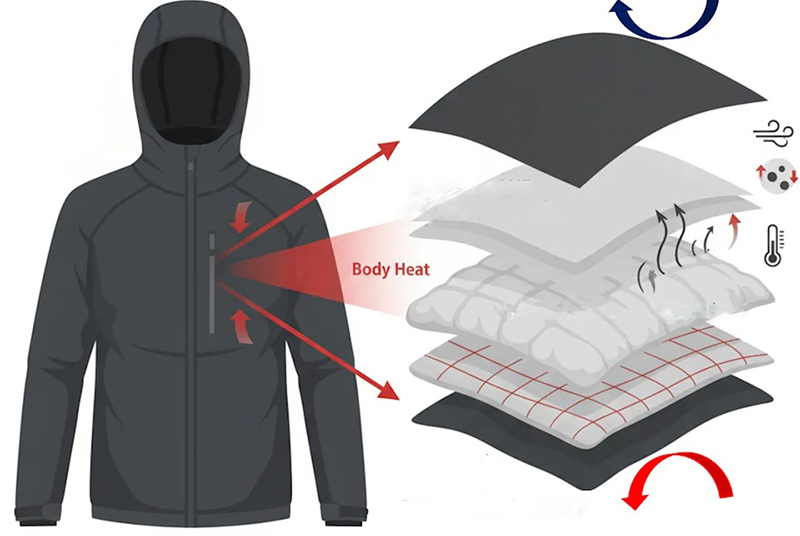
Jackets are multi-layered garments, often requiring a combination of outer shells, linings, insulation, zippers, pockets, and trims. Each layer must interact seamlessly, ensuring comfort, mobility, and weather protection. The complexity increases with features like hoods, adjustable cuffs, or technical materials.
At Fusionknits, we carefully plan each stage of production to align fabric properties, insulation placement, and garment design, minimizing errors and ensuring consistent quality across batches.
Complexity factors
| Factor | Challenge |
|---|---|
| Multi-layer construction | Aligning shell, insulation, and lining without bulk |
| Technical fabrics | Sewing water-resistant, stretchable, or coated materials requires specialized skills |
| Closures and trims | Zippers, snaps, buttons, and drawstrings must be durable and functional |
| Insulation distribution | Ensuring even warmth without shifting or clumping |
How material selection affects difficulty
The fabrics used in jackets can significantly impact manufacturing complexity. Thick insulation, water-repellent shells, or high-stretch fabrics require precision handling and specialized equipment. Misalignment or poor stitching can compromise performance and comfort.

At Fusionknits, we choose fabrics that balance performance with manufacturability, ensuring that each material can be processed efficiently without sacrificing quality.
Material challenges
| Material | Production Consideration |
|---|---|
| Nylon or polyester shell | Slippery, requires careful cutting and stitching |
| Down insulation | Needs even distribution in baffles to prevent cold spots |
| Fleece lining | Soft and flexible, but prone to shifting during sewing |
| Leather or PU coatings | Thick, requires high-strength needles and precise stitching |
The role of insulation and layering
Jackets often include insulation for warmth, such as down, synthetic fibers, or fleece. Ensuring that insulation is evenly distributed is critical to performance. Multi-layer jackets also include linings and outer shells, which must be carefully aligned during assembly to avoid uneven seams and discomfort.
At Fusionknits, we use specialized quilting and baffle techniques to secure insulation, prevent clumping, and maintain jacket loft. This adds complexity compared to single-layer garments like T-shirts or sweatshirts.
Insulation considerations
| Insulation Type | Manufacturing Challenge |
|---|---|
| Down | Fluffy, delicate, requires precise stitching to maintain loft |
| Synthetic | Requires even layering, may need heat setting to stabilize |
| Fleece | Flexible, may shift during assembly, requires secure attachment |
| Blends | Balances warmth and manufacturability but may require multiple adjustments |
Why design features increase complexity
Additional features like hoods, adjustable cuffs, ventilation zippers, or reinforced pockets increase production steps and require specialized techniques. Functional elements must be carefully integrated to maintain comfort, performance, and durability.
At Fusionknits, we incorporate design features thoughtfully to enhance wearability without overly complicating manufacturing, ensuring jackets meet both consumer expectations and production efficiency standards.
Design impact
| Feature | Manufacturing Consideration |
|---|---|
| Hood | Needs alignment with neckline and insulation |
| Adjustable cuffs | Elastic, velcro, or snaps require precision placement |
| Multiple pockets | Adds layers and stitching complexity |
| Ventilation zippers | Must be aligned for airflow and aesthetic consistency |
Sewing and assembly challenges
Jacket construction often requires multiple sewing machines, needle types, and specialized operators. Seams must accommodate thick fabrics, multiple layers, and reinforced areas without puckering or compromising appearance. Stretch or slippery fabrics can increase error rates during production.
At Fusionknits, we implement advanced machinery and experienced operators to handle complex sewing requirements, reducing defects and ensuring consistent garment quality.
Sewing considerations
| Challenge | Solution |
|---|---|
| Thick multi-layer seams | Use high-strength needles and multi-step assembly |
| Stretchy fabrics | Employ stretch-compatible sewing techniques |
| Slippery surfaces | Stabilize fabrics during stitching |
| Insulation alignment | Precision quilting and baffle sewing |
Quality control and finishing
High-quality jackets require rigorous inspection and finishing. Ensuring that insulation is uniform, seams are neat, and closures function properly adds production time. Coatings, waterproofing, or softening treatments must be applied carefully to maintain performance and aesthetics.

At Fusionknits, we integrate quality control throughout the manufacturing process to detect issues early, minimizing rework and ensuring a polished, high-performance final product.
Quality control steps
| Step | Purpose |
|---|---|
| Visual inspection | Checks for misaligned seams, fabric defects |
| Function testing | Ensures zippers, snaps, and drawstrings work properly |
| Insulation check | Confirms uniform fill and loft |
| Finishing verification | Ensures coatings, softening, and color retention meet standards |
How technology aids jacket production
Advances in manufacturing technology, such as automated cutting machines, quilting systems, and computer-aided pattern alignment, have streamlined complex jacket production. These tools reduce errors, improve consistency, and increase efficiency, allowing manufacturers to handle challenging fabrics and designs.
At Fusionknits, we leverage technology alongside skilled operators to balance precision with production speed, ensuring high-quality jackets at scale.
Technological tools
| Tool | Benefit |
|---|---|
| Automated fabric cutters | Accurate cutting for complex multi-layer panels |
| Quilting machines | Precise insulation baffle sewing |
| Pattern alignment systems | Reduces misalignment of panels |
| Quality scanning | Detects defects in seams, zippers, or fabric |
Conclusion
Jackets are more complex to manufacture than many other types of garments due to their multi-layer construction, insulation requirements, specialized fabrics, and design features. High-quality jackets require precise material handling, skilled sewing, insulation management, and rigorous quality control to ensure durability, comfort, and performance.
At Fusionknits, we approach jacket manufacturing professionally, combining careful fiber selection, advanced construction techniques, and thorough finishing processes.
By integrating technology with skilled craftsmanship, we produce jackets that meet high standards for warmth, functionality, and style. Understanding the challenges involved allows brands to deliver premium jackets that perform in varied climates, maintain longevity, and provide consumers with both comfort and fashion-forward design.