Finding a reliable activewear manufacturer is a critical step for any brand looking to produce high-quality sports and fitness apparel. The right manufacturer can provide expertise in materials, construction, and performance-oriented design, ensuring products meet both consumer expectations and regulatory standards.
At Fusionknits, we have extensive experience in activewear manufacturing, helping brands source premium fabrics, optimize production processes, and maintain quality from prototype to bulk production. Understanding the key factors in selecting a manufacturer is essential for successful apparel business operations.
As a professional clothing manufacturer, we provide insights on sourcing strategies, evaluating manufacturers, communication, and quality control to help brands identify trustworthy partners.
What factors should you consider when choosing an activewear manufacturer?
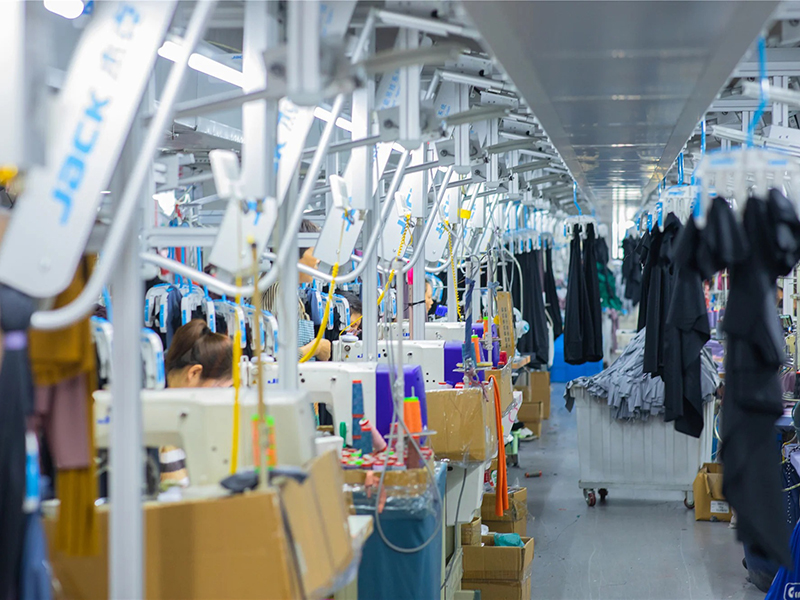
Choosing a manufacturer requires balancing cost, quality, expertise, and communication. Key factors include experience in activewear, production capacity, fabric sourcing, certifications, and the ability to handle complex garment features such as moisture-wicking, compression, or seamless construction.
At Fusionknits, we focus on matching client needs with our production capabilities, ensuring that each activewear line meets high standards for durability, comfort, and performance.
Essential selection criteria
| Factor | Why It Matters |
|---|---|
| Experience | Ensures knowledge of activewear fabrics and construction |
| Production capacity | Ability to handle your order volume on time |
| Fabric sourcing | Access to high-quality performance textiles |
| Certifications | Compliance with safety and environmental regulations |
| Communication | Smooth collaboration reduces errors and delays |
| Technical capability | Expertise in compression, moisture-wicking, or seamless garments |
How to identify potential manufacturers
There are multiple avenues for discovering activewear manufacturers. Trade shows, industry directories, B2B platforms, referrals, and online research can provide initial leads. Evaluating these options carefully allows brands to narrow down manufacturers who meet specific technical and quality requirements.

At Fusionknits, we emphasize transparency in production capabilities, certifications, and previous work to help brands assess suitability before engagement.
Methods for finding manufacturers
| Method | Advantage |
|---|---|
| Trade shows | Direct interaction, evaluate quality and capabilities |
| B2B platforms | Wide selection, filter by location, certifications |
| Referrals | Recommendations from other brands, trustworthy contacts |
| Online research | Explore websites, portfolios, and client testimonials |
What questions to ask a manufacturer
Before committing, brands should ask detailed questions about production capabilities, turnaround times, minimum order quantities (MOQs), quality control procedures, and customization options. Understanding how a manufacturer handles materials, patterns, and technical fabrics is critical.
At Fusionknits, we provide detailed client consultations to explain our process, lead times, and the technical capabilities available for different types of activewear.
Sample questions
| Question | Purpose |
|---|---|
| What is your MOQ? | Determines feasibility for small or large orders |
| Which fabrics do you specialize in? | Confirms expertise with performance textiles |
| Do you offer prototyping services? | Ensures design accuracy before mass production |
| How is quality controlled? | Verifies consistency and durability |
| Can you handle custom designs or branding? | Ensures flexibility for unique collections |
How to evaluate fabric and material sourcing
Activewear performance relies heavily on fabric properties, including moisture-wicking, breathability, stretch, and durability. Evaluating a manufacturer’s material sourcing is crucial to ensure consistent quality. Factory visits, sample reviews, and technical specifications can help verify capability.
At Fusionknits, we source performance fabrics from reputable suppliers and maintain strict standards for stretch, recovery, and moisture management to deliver premium activewear.
Key fabric considerations
| Fabric | Benefits for Activewear |
|---|---|
| Polyester | Durable, moisture-wicking, lightweight |
| Nylon | Smooth, abrasion-resistant, stretchy |
| Spandex/Elastane | Shape retention, flexibility |
| Bamboo or cotton blends | Soft, breathable, eco-friendly |
| Fleece | Warmth for outdoor or lounge garments |
How to assess quality control procedures
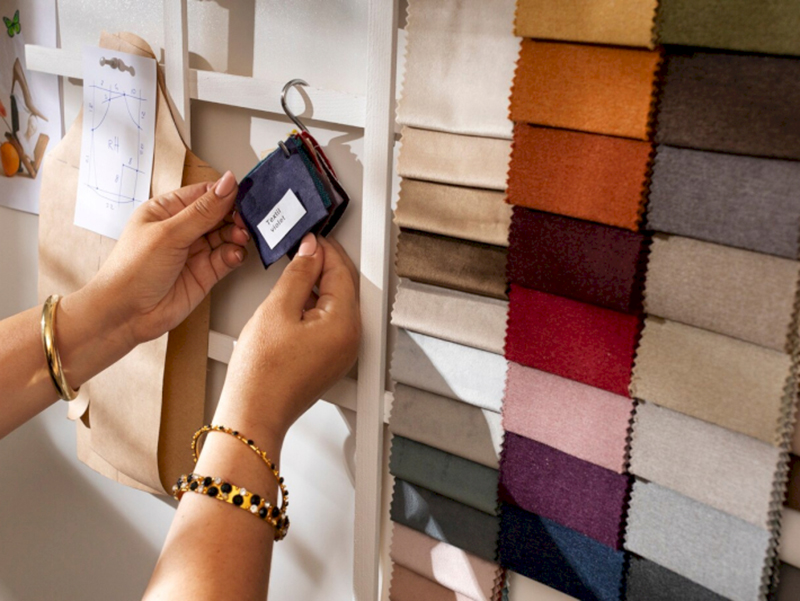
Quality control ensures garments meet performance, comfort, and durability standards. Brands should inquire about inspection routines, testing for shrinkage, colorfastness, stretch recovery, and seam integrity.
At Fusionknits, quality control is integrated throughout production with multiple checkpoints, ensuring that finished activewear meets design specifications and consumer expectations.
QC checkpoints
| Stage | Focus |
|---|---|
| Incoming materials | Verify fabric specifications and defects |
| In-line inspection | Check stitching, alignment, and construction |
| Final inspection | Assess fit, finish, and labeling compliance |
| Testing | Conduct stretch, wash, and colorfastness tests |
How to build a strong relationship with a manufacturer
Successful partnerships are built on communication, trust, and mutual understanding. Clear specification sheets, timely feedback, and collaboration on design improvements strengthen the relationship and reduce errors during production.

At Fusionknits, we maintain open channels of communication to ensure clients are informed at every stage of development and production, leading to efficient workflows and high-quality results.
Tips for strong partnerships
| Tip | Implementation |
|---|---|
| Regular updates | Schedule calls or emails for progress reports |
| Transparent expectations | Clearly define timelines, quality standards, and MOQ |
| Feedback integration | Incorporate client input during prototyping and sampling |
| Long-term planning | Build trust for ongoing collaborations |
Why location and logistics matter
Manufacturer location affects shipping costs, lead times, and supply chain efficiency. Proximity to fabric suppliers, export hubs, and target markets can influence overall production and distribution efficiency. Brands should consider location alongside cost and quality.
At Fusionknits, we leverage our strategic location in China to access high-quality performance fabrics, optimize shipping, and reduce lead times for global clients.
Location considerations
| Factor | Impact |
|---|---|
| Proximity to suppliers | Reduces material delays and costs |
| Export logistics | Faster shipping to key markets |
| Labor and expertise | Access to skilled operators and technical knowledge |
| Regional regulations | Compliance with environmental and safety standards |
Conclusion
Finding an activewear manufacturer requires careful consideration of expertise, fabric sourcing, production capabilities, and quality control. Both natural and synthetic fibers play a critical role in comfort, performance, and durability, and manufacturers must demonstrate experience with technical fabrics, stretch garments, and moisture-wicking properties. Clear communication, transparency, and strategic location further enhance the likelihood of a successful partnership.
At Fusionknits, we combine extensive knowledge of activewear fabrics, advanced production techniques, rigorous quality control, and responsive client collaboration to provide high-quality activewear manufacturing solutions.
By understanding the factors that define a reliable manufacturer, brands can select partners who produce garments that meet performance standards, comfort requirements, and aesthetic expectations, ensuring long-term success in the competitive activewear market.