Many consumers assume that premium activewear brands manufacture products only in Europe or North America. However, global activewear production works very differently. Today, even some of the world’s most successful fitness brands rely heavily on Asian manufacturing partners.
Yes, many Gymshark leggings are made in China, along with products manufactured in other Asian countries. China remains one of the leading global production hubs for activewear because of its advanced textile supply chain, technical fabric development, and large-scale manufacturing capabilities.
At Fusionknits, we work closely with international activewear buyers and understand why major brands continue sourcing leggings from China despite rising global competition.
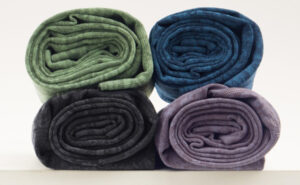
Why do global activewear brands manufacture leggings in China?
Modern activewear production requires much more than basic sewing capability. Brands need advanced fabrics, stable quality control, efficient production speed, and flexible supply chains.
China remains a leading manufacturing center for activewear because it offers strong fabric innovation, experienced factories, reliable supply chains, and large-scale production capacity at competitive costs.
For leggings specifically, manufacturing requires specialized stretch fabrics, technical stitching, and precise fit development. China has developed strong expertise in these areas over the last two decades.
Key advantages of Chinese activewear manufacturing
- Mature textile supply chain
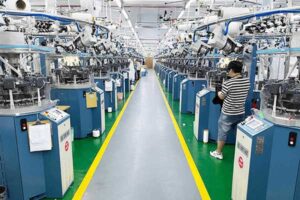
- Advanced knitting technology
- Experienced activewear factories
- Strong fabric sourcing network
- Efficient bulk production capability
- Faster sample development
In our industry experience, very few countries can currently match China’s complete activewear manufacturing ecosystem.
Why leggings require specialized production
Leggings are more technical than many buyers expect.
Production challenges include:
- Four-way stretch fabric control
- Compression consistency
- Squat-proof opacity testing
- Moisture-wicking performance
- Flatlock seam construction
- Waistband recovery stability
These technical requirements are why many brands prefer experienced manufacturing regions like China.
Are all Gymshark products made in China?
Gymshark, like many global apparel brands, uses multiple sourcing countries to manage production capacity, pricing, and logistics.

Gymshark products are manufactured across different countries, including China and other Asian production hubs such as Vietnam, Bangladesh, and Cambodia. However, China remains an important sourcing location for many technical activewear products.
Large brands rarely rely on only one country because diversified sourcing helps reduce supply chain risk.
Why brands diversify manufacturing locations
Brands often divide production based on:
| Factor | Manufacturing Decision |
|---|---|
| Fabric specialization | China |
| Labor cost optimization | Bangladesh or Cambodia |
| Production scale | Vietnam or China |
| Lead time flexibility | Multi-country sourcing |
| Trade regulations | Regional diversification |
This strategy improves operational flexibility and inventory management.
China’s role in technical activewear
China remains especially competitive in:
- Seamless leggings
- Compression garments
- High-stretch knitwear
- Technical finishing treatments
- Recycled performance fabrics
For many premium leggings, technical fabric quality matters more than labor cost alone.
Why is China strong in leggings manufacturing?
Leggings manufacturing combines fabric engineering, garment construction, and performance testing. China has invested heavily in all three areas.
China dominates leggings manufacturing because it combines advanced textile mills, modern machinery, experienced workers, and strong research and development capability for technical fabrics.
At Fusionknits, we see continuous improvements in Chinese activewear manufacturing technology each year.
China’s integrated supply chain advantage
One major advantage is supply chain concentration.
For example:
- Yarn suppliers
- Knitting mills
- Dyeing factories
- Printing facilities
- Sewing factories
- Packaging suppliers
can often operate within the same manufacturing region.
This reduces:
- Transportation delays
- Sampling time
- Production cost
- Communication problems
Technical fabrics commonly used in leggings
| Fabric Type | Main Performance Benefit |
|---|---|
| Nylon-Spandex | Soft compression and stretch |
| Polyester-Spandex | Durability and moisture management |
| Seamless Knit Fabric | Reduced friction and flexibility |
| Brushed Fabric | Soft hand feel |
| Ribbed Stretch Fabric | Fashion texture and support |
China has strong capability in all these fabric categories.
Does manufacturing in China affect quality?
Many consumers still associate “Made in China” with low-cost products. However, modern apparel manufacturing is far more complex.
Manufacturing quality depends more on factory standards, fabric quality, and brand requirements than the production country itself. Many premium activewear products are successfully manufactured in China under strict quality control systems.
At Fusionknits, we often explain to buyers that factories produce according to client specifications and price targets.
Why quality levels vary
The same country can produce both:
- Low-cost budget products
- Premium luxury apparel
The difference depends on:
- Fabric quality
- Construction standards
- Quality inspection systems
- Technical expertise
- Brand production budgets
China has factories operating across every quality level.
Key quality factors in leggings production
| Quality Area | Importance |
|---|---|
| Fabric recovery | Prevents sagging |
| Opacity testing | Avoids transparency |
| Seam strength | Improves durability |
| Waistband elasticity | Maintains fit |
| Dye consistency | Prevents color variation |
Premium activewear brands pay close attention to these technical details during production.
Why are Chinese factories strong at seamless leggings?
Seamless activewear has become one of the fastest-growing categories in the fitness apparel market.
Chinese factories are highly competitive in seamless leggings production because they invest heavily in computerized knitting machines, technical yarn development, and seamless garment engineering.
Seamless production requires specialized machinery and technical experience.
Advantages of seamless leggings
- Reduced seam irritation
- Better stretch flexibility
- Improved body contouring
- Cleaner aesthetic appearance
- Higher comfort during workouts
This category has become extremely popular in modern fitness fashion.
Seamless production challenges
Seamless garments require:
- Precision knitting programming
- Compression zoning control
- Advanced yarn management
- Consistent machine calibration
These technical barriers limit the number of qualified manufacturers globally.
China currently remains one of the strongest seamless production centers worldwide.
Are Chinese-made leggings sustainable?
Sustainability is becoming increasingly important in activewear manufacturing. Buyers now expect more environmentally responsible production methods.
Many Chinese activewear factories now produce sustainable leggings using recycled polyester, recycled nylon, and eco-friendly dyeing technologies.
At Fusionknits, sustainable activewear development continues growing rapidly.
Sustainable fabric options
| Sustainable Material | Main Benefit |
|---|---|
| Recycled Polyester | Reduces plastic waste |
| Recycled Nylon | Supports circular production |
| Bio-Based Fibers | Reduces petroleum usage |
| Eco Dyeing Processes | Lower water consumption |
Large activewear brands increasingly request these materials.
Sustainability challenges in leggings production
Leggings often require synthetic fibers for stretch and recovery.
This creates challenges such as:
- Recycling blended fabrics
- Managing microfiber pollution
- Balancing durability and sustainability
Manufacturers continue investing in better solutions for these issues.
Why do activewear brands continue sourcing from China despite rising costs?
Labor costs in China have increased significantly over the past decade. However, many brands still maintain production there.
Brands continue manufacturing leggings in China because the country offers reliability, technical expertise, faster development, and stronger supply chain efficiency compared to many lower-cost regions.
In activewear manufacturing, consistency often matters more than the lowest labor price.
What brands value beyond labor cost
Modern buyers prioritize:
- Technical fabric capability
- Product consistency
- Speed to market
- Sample development efficiency
- Communication quality
- Production reliability
These strengths continue making China highly competitive.
Hidden costs of low-cost sourcing
Cheaper production locations can sometimes create:
- Longer delays
- Higher defect rates
- Communication issues
- Fabric sourcing limitations
- Unstable production quality
For premium activewear brands, these risks can outweigh labor savings.
How should buyers evaluate leggings manufacturers?
Choosing the right factory requires more than comparing prices. Technical capability matters heavily in activewear manufacturing.
Buyers should evaluate leggings suppliers based on fabric expertise, quality control systems, development capability, and production consistency rather than focusing only on country of origin.
At Fusionknits, we recommend a technical evaluation process before starting bulk production.
Key questions buyers should ask factories
- What stretch fabric experience does the factory have?
- Can the supplier provide squat-proof testing?
- Does the factory produce seamless garments?
- What quality inspection standards are used?
- Can sustainable fabric options be supplied?
These questions help buyers identify experienced activewear manufacturers.
Important leggings testing areas
| Testing Area | Purpose |
|---|---|
| Stretch recovery | Maintains garment shape |
| Opacity testing | Prevents transparency |
| Pilling resistance | Improves durability |
| Colorfastness | Prevents fading |
| Seam strength | Supports active movement |
Professional testing helps reduce quality claims after shipment.
Conclusion
Many Gymshark leggings are manufactured in China because China continues to lead the global activewear industry in fabric innovation, technical garment production, and supply chain efficiency. Modern leggings production requires advanced materials, specialized machinery, and strict quality control systems, all of which are widely available within China’s mature manufacturing ecosystem.
However, the country of origin alone does not determine product quality. Premium activewear brands succeed because they combine high production standards, technical fabric development, strong factory partnerships, and detailed quality management processes. China is capable of producing both budget products and premium performance apparel depending on the brand’s requirements and manufacturing investment.
At Fusionknits, buyers should focus less on whether leggings are made in China and more on the factory’s technical expertise, production consistency, sustainability capability, and quality control systems. In today’s activewear market, successful leggings manufacturing depends on engineering, fabric performance, and reliable supply chains more than geography alone.