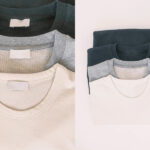
Bamboo shirts have grown in popularity due to their softness, breathability, and eco-friendly properties. Many consumers and buyers are curious about where these garments are manufactured and how production location affects quality.
Bamboo shirts are primarily made in countries with established textile industries and bamboo processing capabilities, such as China, India, and Taiwan. These countries dominate bamboo textile manufacturing due to fiber processing expertise, machinery availability, and supply chain infrastructure.
At Fusionknits, we have extensive experience producing bamboo fabric garments for international buyers, and sourcing location plays a critical role in fabric quality, cost, and sustainability.
Why is China a major producer of bamboo shirts?
China is the largest manufacturer of bamboo textiles and garments globally. Its dominance comes from decades of textile expertise, advanced machinery, and strong supply chains.
Most bamboo shirts are made in China because the country has specialized bamboo fiber processing facilities, spinning mills, knitting factories, and finishing expertise required for soft, breathable bamboo fabrics.
At Fusionknits, many premium bamboo shirts are sourced from Chinese mills because of consistent quality and technical know-how.
Advantages of Chinese bamboo manufacturing
- Integrated textile supply chain
- High-quality bamboo fiber processing
- Advanced spinning and knitting technology
- Large-scale production capacity
- Experience with blended fabrics
China’s combination of experience, scale, and technology makes it highly competitive.
Common bamboo fabrics produced in China
| Fabric Type | Use Case |
|---|---|
| Bamboo Viscose | Soft T-shirts |
| Bamboo-Cotton Blend | Polos and casual shirts |
| Bamboo-Spandex Blend | Stretch shirts and activewear |
| Brushed Bamboo Fleece | Sweatshirts and loungewear |
Different fabric constructions create varying levels of softness, drape, and durability.
Why is India a key player in bamboo textile production?
India has a long history in textile manufacturing and has recently expanded into bamboo fiber production.

India produces bamboo shirts due to its growing expertise in spinning bamboo viscose, managing sustainable fiber sourcing, and producing soft, eco-friendly fabrics.
Bamboo shirts from India often emphasize sustainability and organic practices.
Advantages of Indian bamboo production
- Strong cotton and bamboo blending capability
- Sustainable fiber sourcing
- Competitive labor costs
- Increasing export expertise
These factors make India a good choice for eco-conscious brands.
Common bamboo fabrics from India
| Fabric Type | Typical Products |
|---|---|
| Bamboo Viscose | Lightweight T-shirts |
| Bamboo-Cotton Blend | Premium casual shirts |
| Bamboo-Spandex | Stretch tops and athletic wear |
India’s manufacturing strengths focus on natural fiber quality and cost efficiency.
How does Taiwan contribute to bamboo shirt production?
Taiwan is known for technological innovation in textile processing. Bamboo fabrics produced here often have premium finishes.
Taiwan produces bamboo shirts using advanced fiber processing techniques, specialized yarn spinning, and high-quality knitting systems.
Many technical or fashion-forward bamboo garments are sourced from Taiwan.
Advantages of Taiwanese bamboo manufacturing
- Advanced fabric finishing techniques
- Smooth yarn production
- Quality-controlled knitting
- Innovative blends and functional fabrics
Taiwanese bamboo fabrics are often used in high-end or technical apparel.
Common Taiwan-produced bamboo fabrics
| Fabric Type | Use Case |
|---|---|
| Bamboo-Spandex | Activewear |
| Bamboo-Cotton | Premium T-shirts |
| Bamboo Rayon | Fashion tops |
Taiwan focuses on technical and fashion-oriented garments.
What are the main types of bamboo fabric used in shirts?
Bamboo fiber is processed into various fabric types for different performance and fashion requirements.
Most bamboo shirts use bamboo viscose, bamboo-cotton blends, or bamboo-spandex blends to combine softness, breathability, durability, and stretch.
At Fusionknits, fabric selection is based on product category and intended use.
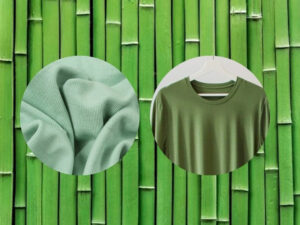
Bamboo viscose
- Soft and smooth hand feel
- Lightweight and breathable
- Used in T-shirts and loungewear
- Eco-friendly manufacturing
Bamboo-cotton blends
- Combine softness and structure
- Better shrinkage control than pure bamboo
- Popular in polos and casual shirts
- Good for mass-market apparel
Bamboo-spandex blends
- Flexible and stretchable
- Good for activewear and fitted shirts
- Retains shape over time
- Supports four-way stretch in slim designs
How does bamboo fabric affect comfort and performance?
Bamboo fabrics are naturally soft, breathable, and moisture-absorbent, making them excellent for shirts.
Bamboo shirts offer superior comfort due to smooth fibers, natural temperature regulation, moisture absorption, and hypoallergenic properties.
These qualities make bamboo shirts popular in casual, fashion, and activewear categories.
Benefits of bamboo fabrics in shirts
- Soft hand feel comparable to silk
- Natural breathability for hot climates
- Excellent moisture absorption
- Temperature regulation
- Hypoallergenic properties
These properties differentiate bamboo from standard cotton and synthetic fabrics.
Why bamboo works well in warm climates
Bamboo fibers allow:
- Air circulation within the fabric
- Sweat absorption from the body
- Cool and dry wearing experience
This makes bamboo shirts highly suitable for summer or tropical regions.
Why bamboo works for sensitive skin
Bamboo fabrics are gentle, with fewer chemical residues and smoother fiber surfaces. This improves comfort for:
- Sensitive skin users
- Baby apparel
- Premium casualwear
How does sustainability influence bamboo shirt manufacturing?
Bamboo is considered an eco-friendly raw material because it grows quickly and requires less water and chemicals than cotton.

Many brands choose bamboo shirts for sustainability because bamboo fibers support reduced environmental impact while producing soft, durable fabrics.
At Fusionknits, sustainable bamboo sourcing is increasingly requested by premium buyers.
Sustainable bamboo production benefits
- Fast-growing crop with minimal water needs
- Reduced pesticide and fertilizer use
- Biodegradable fibers
- Renewable resource
These benefits appeal to eco-conscious consumers and brands.
Sustainability challenges in bamboo processing
Although bamboo is sustainable as a raw material, processing into viscose or rayon may involve chemical treatments:
- Solvent use in fiber extraction
- Energy-intensive manufacturing
- Potential chemical residues
Responsible manufacturers use closed-loop systems and eco-friendly processes to mitigate impact.
Popular sustainable bamboo fabrics
- Organic bamboo viscose
- Bamboo-cotton blends with certified cotton
- Bamboo-spandex blends using low-impact dyes
These fabrics combine performance and sustainability.
What role do fabric finishes play in bamboo shirts?
Fabric finishing improves softness, color, durability, and shrinkage control. Bamboo fabrics can be brushed, compacted, or treated to enhance hand feel and performance.
Finishing is critical in bamboo shirts to maintain softness, dimensional stability, and visual quality.
At Fusionknits, we apply specific finishing processes depending on the target product.
Common finishing techniques for bamboo shirts
| Finish Type | Benefit |
|---|---|
| Softener finish | Enhances hand feel |
| Enzyme washing | Reduces pilling |
| Sanforization | Controls shrinkage |
| Eco dyeing | Maintains color and sustainability |
Finishing ensures bamboo shirts meet commercial quality standards.
How do manufacturing locations affect bamboo shirt quality?
The country of manufacture influences available processing technology, fabric quality, and production reliability.
Bamboo shirts produced in China, India, or Taiwan tend to have higher quality and consistent performance due to advanced machinery, skilled labor, and experience in bamboo fiber processing.
At Fusionknits, careful factory selection ensures high-quality outcomes.
Why China leads in bamboo shirt production
- Largest bamboo fiber processing capacity
- Advanced spinning and knitting technology
- High-volume production capability
- Broad export infrastructure
Why India is growing in bamboo shirt production
- Strong natural fiber expertise
- Cost-competitive labor
- Sustainable sourcing options
- Export capabilities
- Focus on fashion and technical applications
- Advanced finishing and knitting
- Innovative blends
- Smaller but higher-quality output
Different countries support different price points and product positioning.
How should brands choose a bamboo shirt manufacturer?
Selecting a bamboo shirt manufacturer requires evaluating fabric expertise, production reliability, and sustainability practices.
Brands should prioritize manufacturers with experience in bamboo fiber processing, quality control systems, and sustainable practices to ensure garments meet performance and environmental standards.
At Fusionknits, bamboo garment development involves close collaboration between textile engineers, fabric mills, and production teams.
Key questions for manufacturers
- What bamboo fiber types are available?
- How are bamboo fabrics spun and knitted?
- What finishing treatments are applied?
- Are sustainable processes used?
- Can the factory meet consistent quality standards?
Evaluating these factors ensures high-quality bamboo shirts.
Important quality testing areas
| Testing Area | Purpose |
|---|---|
| Hand feel and softness | Comfort assessment |
| Shrinkage testing | Dimensional stability |
| Colorfastness | Visual quality |
| Pilling resistance | Long-term appearance |
| Stitching and garment integrity | Durability |
Testing ensures garments meet brand expectations.
Conclusion
Bamboo shirts are primarily made in countries with established textile industries and bamboo fiber processing capabilities, such as China, India, and Taiwan. China dominates due to advanced fiber processing, large-scale production, and integrated supply chains. India focuses on sustainable and cost-efficient production, while Taiwan provides premium fashion and technical fabrics.
Bamboo fabrics offer natural softness, breathability, moisture absorption, and hypoallergenic properties, making them ideal for casual, fashion, and activewear shirts. Pioneering sustainability and quality control are essential for producing high-performing bamboo garments. Manufacturers must carefully manage fiber processing, yarn construction, finishing, and garment assembly to maintain softness, durability, and eco-friendliness.
At Fusionknits, we emphasize that bamboo shirt quality depends on both fiber sourcing and precise manufacturing processes. Brands that choose experienced bamboo fabric manufacturers can deliver high-quality garments that satisfy both performance and sustainability expectations while meeting modern consumer demand for soft, breathable, and environmentally friendly apparel.