Nike is one of the world's largest sportswear brands, producing everything from running shorts and basketball shorts to training apparel and lifestyle collections. When consumers examine the product labels on different Nike shorts, they often notice varying fabric compositions. Some shorts contain polyester, others include nylon, and many use blends with elastane. This leads to a common question: are Nike shorts made of nylon?
Yes, some Nike shorts are made of nylon, but not all of them. Nike uses a variety of materials depending on the product category, intended performance, and design goals. While many running, training, and outdoor shorts contain nylon or nylon blends, polyester remains the most commonly used material across Nike's shorts collections.
At Fusionknits, we manufacture shorts for sportswear brands and activewear companies worldwide. Understanding why brands like Nike choose certain materials can help buyers and apparel brands make better sourcing and product development decisions.
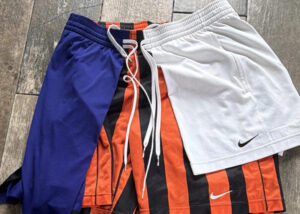
Why does Nike use different fabrics for shorts?
Not every pair of shorts serves the same purpose.
Nike selects fabrics based on the activity, performance requirements, durability needs, comfort expectations, and price point of each product.
A pair of basketball shorts requires different properties than a pair of trail-running shorts.
Factors that influence fabric selection
| Factor | Importance |
|---|---|
| Moisture Management | Very High |
| Durability | High |
| Stretch | High |
| Weight | High |
| Cost | Medium |
| Sustainability | Growing |
Nike designs each fabric package around these requirements.
Why one fabric cannot do everything
Different activities require different features:
- Running requires lightweight fabrics
- Basketball requires durability
- Training requires flexibility
- Outdoor activities require abrasion resistance
This explains the use of multiple fabric types.
Why does Nike use nylon in some shorts?
Nylon offers several performance advantages that make it attractive for sportswear.

Nike uses nylon because it is lightweight, durable, smooth, abrasion-resistant, and capable of handling intense physical activity.
Many premium activewear products rely on nylon fabrics.
Advantages of nylon
- High durability
- Excellent strength-to-weight ratio
- Soft hand feel
- Fast drying
- Good stretch recovery
These qualities support athletic performance.
Common Nike categories using nylon
| Product Category | Nylon Usage |
|---|---|
| Running Shorts | High |
| Trail Shorts | High |
| Outdoor Shorts | High |
| Premium Training Shorts | Medium-High |
| Basketball Shorts | Moderate |
Nylon is particularly valuable in technical products.
Why athletes like nylon
Athletes often appreciate:
- Lightweight comfort
- Freedom of movement
- Long-term durability
These factors improve the overall user experience.
Is polyester more common than nylon in Nike shorts?
Although nylon is popular, polyester dominates the sportswear industry.
Polyester is more common than nylon in Nike shorts because it offers excellent moisture-wicking, durability, affordability, and color retention.
Most large-scale sportswear production relies heavily on polyester.
Why polyester is widely used
Benefits include:
- Lower production costs
- Moisture-wicking performance
- Easy care
- Lightweight construction
Polyester remains highly practical.
Polyester vs nylon comparison
| Feature | Polyester | Nylon |
|---|---|---|
| Cost | Lower | Higher |
| Durability | High | Very High |
| Softness | Good | Excellent |
| Moisture Management | Excellent | Very Good |
| Abrasion Resistance | High | Excellent |
Both materials perform well in activewear.
Why brands choose polyester
Polyester allows:
- Competitive retail pricing
- Large-scale production
- Consistent quality
This explains its widespread use.
What Nike shorts are most likely to contain nylon?
Not all product categories use the same materials.
Nike's premium running, trail, outdoor, and performance-focused shorts are the most likely to include nylon fabrics or nylon blends.
These products benefit most from nylon's technical characteristics.
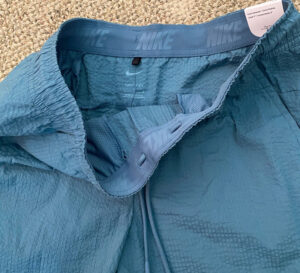
Common nylon-based products
- Trail running shorts
- Utility shorts
- Outdoor training shorts
- Premium performance collections
These categories prioritize durability and lightweight performance.
Why nylon works well outdoors
Outdoor activities expose garments to:
- Abrasion
- Dirt
- Moisture
- Frequent movement
Nylon handles these challenges effectively.
Does Nike blend nylon with other fibers?
Most modern sportswear fabrics use blended constructions.
Nike frequently blends nylon with elastane, spandex, or recycled fibers to improve stretch, comfort, and overall performance.
Fabric blends provide multiple benefits simultaneously.
Common blends
| Blend | Purpose |
|---|---|
| Nylon-Spandex | Stretch and mobility |
| Nylon-Elastane | Compression and comfort |
| Recycled Nylon Blend | Sustainability |
These combinations enhance functionality.
Why blends outperform single fibers
Blended fabrics improve:
- Flexibility
- Recovery
- Fit
- Durability
This is why blends dominate premium activewear.
How does nylon affect shorts performance?
Material choice directly impacts garment functionality.

Nylon improves durability, flexibility, comfort, and abrasion resistance while maintaining a lightweight feel.
These properties support demanding athletic activities.
Performance advantages
- Better durability
- Enhanced mobility
- Reduced fabric wear
- Improved comfort
Consumers often notice these benefits immediately.
Why durability matters
High-performance shorts experience:
- Constant movement
- Friction
- Repeated washing
Durable fabrics extend product lifespan.
Is nylon better than polyester for shorts?
This is one of the most common questions among buyers.
Neither nylon nor polyester is universally better. Each material offers unique advantages depending on the intended use.
The best choice depends on product goals.
When nylon is better
Nylon excels in:
- Durability
- Softness
- Premium feel
- Abrasion resistance
These qualities support technical apparel.
When polyester is better
Polyester excels in:
- Moisture-wicking
- Affordability
- Color retention
- Production efficiency
These advantages support large-scale sportswear production.
Comparison table
| Performance Factor | Nylon | Polyester |
|---|---|---|
| Durability | Excellent | Very Good |
| Moisture Management | Very Good | Excellent |
| Softness | Excellent | Good |
| Cost Efficiency | Moderate | Excellent |
Both materials remain industry standards.
Does Nike use recycled nylon?
Sustainability is becoming increasingly important across the apparel industry.
Nike has expanded its use of recycled materials, including recycled polyester and recycled nylon, as part of its sustainability initiatives.
Many modern collections incorporate environmentally responsible fibers.
Benefits of recycled nylon
- Reduced waste
- Lower environmental impact
- Strong performance characteristics
Recycled nylon offers many of the same benefits as virgin nylon.
Why sustainable materials matter
Consumers increasingly value:
- Environmental responsibility
- Supply chain transparency
- Sustainable production practices
Brands are responding accordingly.
How can consumers identify nylon shorts?
Fabric content information is usually easy to find.
Consumers can determine whether Nike shorts contain nylon by checking the fabric composition label inside the garment or reviewing product specifications online.
Labels provide detailed fiber information.
Where to check
- Interior care label
- Product packaging
- Product description
- Official product pages
These sources typically list material percentages.
Common nylon label examples
- 100% Nylon
- 88% Nylon / 12% Spandex
- 75% Recycled Nylon / 25% Elastane
Composition varies by product.
Nike is not the only brand using nylon.
Many premium activewear brands prefer nylon because it offers a luxurious hand feel, exceptional durability, and strong performance characteristics.
Nylon is especially common in higher-end collections.
Reasons brands choose nylon
- Premium appearance
- Superior softness
- Long-term durability
- Technical performance
These qualities justify higher retail prices.
Popular product categories
| Product | Nylon Usage |
|---|---|
| Running Shorts | High |
| Compression Shorts | High |
| Yoga Apparel | High |
| Outdoor Apparel | Very High |
Premium brands often prioritize fabric quality.
How should apparel brands choose between nylon and polyester?
Fabric selection should begin with the target customer.
The best material depends on performance requirements, budget, product positioning, and consumer expectations.
At Fusionknits, we help brands evaluate these factors during development.
Questions brands should ask
- What activity is the product designed for?
- Is durability a priority?
- What is the target retail price?
- Is sustainability important?
These considerations guide fabric selection.
Recommended fabric choices
| Product Category | Recommended Material |
|---|---|
| Running Shorts | Nylon-Spandex |
| Training Shorts | Polyester-Spandex |
| Outdoor Shorts | Nylon |
| Budget Sportswear | Polyester |
| Premium Activewear | Nylon Blend |
The right material creates a better product.
Conclusion
Nike shorts are not made from a single fabric. While many Nike shorts contain nylon, particularly in premium running, trail, and performance-oriented collections, polyester remains the most commonly used material across the brand's broader shorts lineup. Nylon is valued for its durability, softness, lightweight feel, and abrasion resistance, while polyester offers excellent moisture-wicking affordability, and large-scale manufacturing efficiency.
The choice between nylon and polyester depends on the intended purpose of the shorts. Products designed for outdoor activities, premium performance, and demanding athletic use often benefit from nylon's superior durability and comfort. Meanwhile, polyester continues to dominate mainstream sportswear because it balances performance, cost, and versatility. Many Nike products combine these fibers with elastane or spandex to improve stretch and mobility.
At Fusionknits, we view fabric selection as one of the most important decisions in shorts development. Whether using nylon, polyester, or blended constructions, successful products are those that align material performance with consumer expectations. Understanding why leading brands like Nike use different fabrics helps apparel buyers and emerging brands make smarter sourcing and product development decisions.