Cotton is one of the most widely used fibers in apparel, but not all cotton is created equal. Among the various types, Pima cotton is often associated with premium garments. Consumers and brands alike frequently ask: is 100% Pima cotton high quality? Understanding the characteristics, advantages, and applications of Pima cotton is essential for apparel development, sourcing, and marketing.
Yes, 100% Pima cotton is considered high quality due to its long fibers, softness, durability, and ability to maintain color and shape over time. It is often used in luxury T-shirts, premium shirts, bedding, and other high-end textile products. Its superior hand feel, resistance to pilling, and strong tensile strength distinguish it from standard cotton varieties.
At Fusionknits, we work extensively with premium cotton fabrics, including Pima cotton, for activewear, lifestyle apparel, and customized products. Knowing why Pima cotton is valued helps brands make informed material choices.
What Is Pima Cotton?
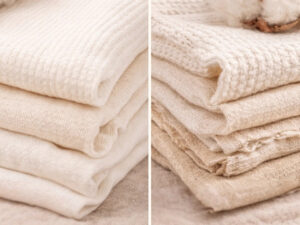
Pima cotton is a type of extra-long staple (ELS) cotton grown primarily in the United States, Peru, and Australia.
It is known for its long fibers, smooth texture, and high durability, which make it superior to standard cotton varieties.
The long staple length contributes to a softer, stronger, and more lustrous fabric.
Key characteristics
| Characteristic | Description |
|---|---|
| Fiber Length | Extra-long, typically 1.4 inches or more |
| Softness | Silky, smooth hand feel |
| Strength | High tensile strength, less prone to tearing |
| Color Retention | Holds dye well for longer-lasting garments |
| Pilling Resistance | Minimal pilling over time |
These attributes define Pima cotton’s premium status.
How Is Pima Cotton Different From Regular Cotton?
Not all cotton is equal in quality or performance.

Standard cotton, such as upland cotton, has shorter fibers and a rougher texture, making it less durable and more prone to pilling. Pima cotton's long fibers make the fabric softer, stronger, and more luxurious.
This difference affects the lifespan and feel of garments.
Comparative attributes
| Attribute | Pima Cotton | Standard Cotton |
|---|---|---|
| Fiber Length | Extra-Long | Short |
| Softness | Very High | Moderate |
| Durability | Excellent | Moderate |
| Color Retention | Excellent | Moderate |
| Pilling Resistance | High | Low |
Pima cotton consistently ranks as a higher-quality fiber.
Why fiber length matters
Long fibers allow for smoother yarn spinning, fewer weak points, and a refined hand feel in the finished fabric. Shorter fibers result in rougher, less durable textiles.
Advantages of 100% Pima Cotton
Using 100% Pima cotton ensures that all the fabric benefits come from the superior fiber, rather than blending with lower-quality cotton.
Garments made from 100% Pima cotton are soft, breathable, durable, and luxurious, offering a premium consumer experience.
Key benefits
- Softness and Comfort: Silky smooth surface ideal for T-shirts, shirts, and casual wear
- Durability: Resistant to tearing and long-lasting
- Color Vibrancy: Maintains dye, resists fading after washing
- Pilling Resistance: Stays smooth after repeated wear and laundering
- Moisture Absorption: Breathable, naturally comfortable in warm weather
These qualities make it highly desirable for high-end apparel and textiles.
What Types of Products Use Pima Cotton?
Pima cotton is often used in premium garments and home textiles.
Its luxurious feel and durability make it ideal for T-shirts, polo shirts, dress shirts, underwear, bedding, and towels.
The fiber is versatile across product categories.
Common applications
| Product | Reason for Use |
|---|---|
| T-shirts | Soft hand feel, durability |
| Polo shirts | Smooth texture, holds shape |
| Dress shirts | Luster, premium appearance |
| Underwear | Comfort and breathability |
| Bedding | Softness and long-lasting quality |
| Towels | Absorbency and durability |
The premium fiber justifies higher retail pricing.
Why Does Pima Cotton Cost More?
The extra cost of Pima cotton is due to its cultivation, fiber length, and lower yield compared to standard cotton.
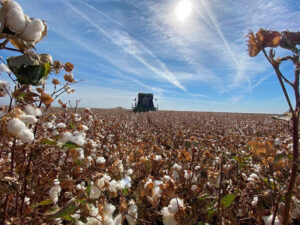
Growing Pima cotton requires specific climates, longer maturation, and careful harvesting, which contributes to higher prices.
The labor and process involved in maintaining fiber integrity further increase cost.
Cost factors
- Specialized farming conditions
- Manual or semi-mechanized harvesting
- Long fiber processing and spinning
- Quality control to maintain long staple integrity
Consumer perspective
Consumers pay a premium for the softness, durability, and long-term value of garments made with 100% Pima cotton.
How Does Pima Cotton Compare to Supima Cotton?
Supima cotton is a trademarked version of American Pima cotton.

Supima guarantees authenticity, higher quality control, and traceability, ensuring that the fiber meets strict standards for long staple length and purity.
Both fibers offer similar benefits, but Supima provides brand assurance.
Comparison table
| Attribute | Pima Cotton | Supima Cotton |
|---|---|---|
| Fiber Length | Extra-long | Extra-long |
| Quality Control | Moderate | Strict, certified |
| Softness | High | Very High |
| Availability | Widely Available | Limited, premium |
| Cost | High | Very High |
Supima represents the top tier of Pima cotton.
How Does 100% Pima Cotton Perform in Apparel?
Pima cotton garments often outperform standard cotton in several areas.
The longer fibers result in smoother yarns, fewer weak points, and a luxurious hand feel, leading to garments that are comfortable, durable, and resistant to fading and pilling.
This performance makes it ideal for both casual and premium apparel.
Performance attributes
| Attribute | Performance |
|---|---|
| Softness | Exceptional |
| Durability | Excellent |
| Color Retention | Excellent |
| Shape Retention | Very Good |
| Comfort | High |
These features make Pima cotton highly valued in the apparel industry.
Are There Limitations to 100% Pima Cotton?
Despite its advantages, Pima cotton is not without considerations.
It is more expensive than standard cotton, requires careful laundering, and may not offer stretch unless blended with spandex or elastane.
Consumers and brands must weigh these factors against performance benefits.
Limitations
- Higher cost
- Requires gentle washing to maintain softness
- Limited stretch for athletic applications
- May wrinkle more than synthetic fibers
Blending with other fibers can address some of these limitations.
Is Pima Cotton Sustainable?
Pima cotton cultivation can be environmentally intensive.
While it is a natural fiber, water usage, pesticide application, and transport impact sustainability.
Some brands use organic Pima cotton or combine recycled cotton to enhance eco-friendliness.
Sustainable practices
- Organic farming
- Reduced water irrigation
- Non-toxic pesticides
- Localized production to reduce carbon footprint
These methods improve environmental outcomes.
Why Do Brands Market Pima Cotton as High Quality?
Marketing emphasizes luxury, comfort, and durability.
Pima cotton’s superior fiber length, softness, and performance make it a selling point for premium garments.
Brands leverage this to differentiate products from standard cotton apparel.
Key messaging points
- “Soft and smooth feel”
- “Long-lasting and durable”
- “Premium fabric for everyday comfort”
- “Less pilling, better color retention”
Consumers associate Pima cotton with long-term value.
How Should Brands Use Pima Cotton in Collections?
Pima cotton works well in premium T-shirts, polos, casual shirts, underwear, and light summer apparel.
Selecting the right products and price points ensures consumers perceive value while maintaining brand positioning.
Recommended applications
| Product | Fiber Blend Recommendation |
|---|---|
| T-shirts | 100% Pima for softness |
| Polo Shirts | 100% Pima or Pima-blend for durability |
| Dress Shirts | 100% Pima for luster and appearance |
| Casual Wear | 100% Pima for comfort |
| Underwear | 100% Pima for breathability |
Product development aligns fiber choice with consumer expectations.
Common mistakes
- Marketing low-quality cotton as Pima
- Using blends without disclosing fiber content
- Not highlighting care instructions
- Ignoring garment weight and yarn quality
Attention to quality maintains brand credibility.
Conclusion
100% Pima cotton is widely regarded as a high-quality fiber due to its long staple length, smooth texture, softness, durability, and resistance to pilling and fading. Its superior hand feel and performance characteristics make it ideal for premium T-shirts, polo shirts, dress shirts, underwear, and luxury casual wear. While it comes at a higher cost than standard cotton, the value in comfort, longevity, and consumer perception justifies its premium status.
Compared to regular cotton, Pima cotton offers better color retention, greater tensile strength, and a more luxurious texture. Brands often highlight Pima cotton in marketing to signal quality and appeal to consumers seeking premium garments. For applications requiring stretch or performance features, Pima cotton can be blended with elastane or spandex while maintaining much of its inherent softness and durability.
At Fusionknits, we recommend 100% Pima cotton for high-end apparel collections where softness, longevity, and premium feel are critical. When sourced and processed carefully, Pima cotton can elevate a garment from ordinary to exceptional, satisfying both functional and aesthetic expectations for global consumers.