Many people wonder whether a polo shirt is technically considered a “shirt” in fashion or business contexts. While it differs from a dress shirt in structure and material, it shares key characteristics that classify it as a type of shirt.
At Fusionknits, we define a polo shirt as a collared, short- or long-sleeve shirt made from knit fabrics such as pique or jersey. It combines the casual comfort of a t-shirt with the formal elements of a collared shirt, bridging the gap between casual and semi-formal attire.
As a professional apparel manufacturer, we design polo shirts with attention to fit, fabric, and finishing to ensure they meet both comfort and style standards, confirming their status as a true shirt category.
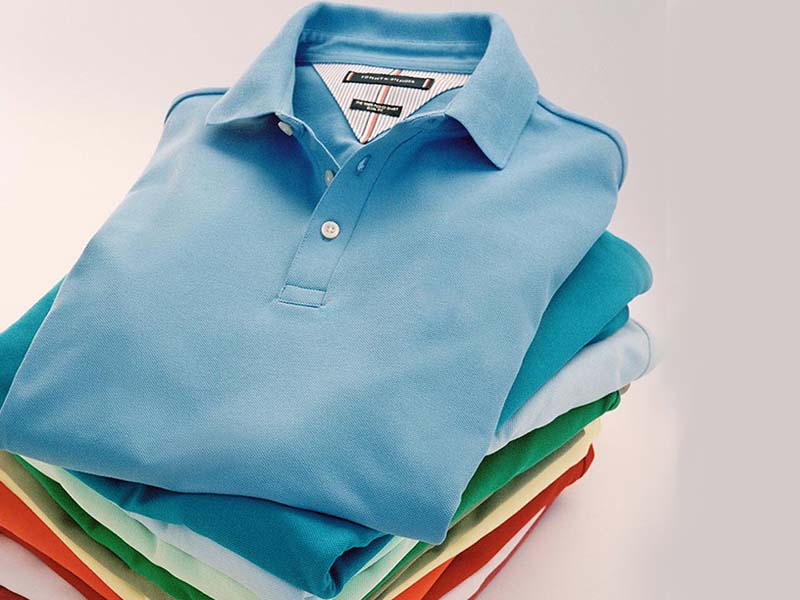
What defines a shirt?
A “shirt” is traditionally defined as a garment with a collar, sleeves, and a torso covering, intended to be worn on the upper body. Shirts can vary in fabric, cut, and formality.
At Fusionknits, we note that the defining elements of a shirt include:
- Collared neckline (optional in casual styles)
- Structured fit or silhouette
- Designed for layering or standalone wear
- Upper-body coverage with sleeves
Polo shirts meet most of these criteria, distinguishing them from casual t-shirts despite differences in fabric and design.
Key shirt features
| Feature | Polo Shirt Equivalent |
|---|---|
| Collared neckline | Traditional polo collar with optional placket |
| Sleeves | Short or long, with ribbed cuffs on some designs |
| Torso coverage | Standard length, often with side vents for comfort |
| Fit | Slim, regular, or relaxed, designed for casual to semi-formal wear |
How polo shirts differ from t-shirts
Though similar to t-shirts, polo shirts offer structural and stylistic distinctions that classify them as shirts.

At Fusionknits, we identify three main differences:
- Collar and placket: Polo shirts have a collar and button placket, adding structure.
- Fabric texture: Typically made from piqué knit or jersey, giving a slightly textured surface.
- Versatility: Suitable for casual, business casual, or athletic wear.
These elements elevate the polo from a standard t-shirt, positioning it as a more refined garment while retaining comfort.
Functional differences
| Feature | Benefit |
|---|---|
| Collar | Adds visual structure, suitable for semi-formal use |
| Placket | Adjustable neckline and style option |
| Piqué fabric | Breathable, durable, and slightly textured |
| Tailored fit | Supports layering and polished appearance |
What fabrics are used in polo shirts?
Fabric choice plays a significant role in performance, feel, and classification as a shirt.
At Fusionknits, popular fabrics for polo shirts include:
- Cotton pique: Soft, breathable, and structured.
- Jersey knit cotton or blends: Lightweight, smooth, and flexible.
- Polyester-cotton blends: Durable, easy-care, and moisture-wicking for active use.
Fabric properties
| Fabric | Characteristics |
|---|---|
| Cotton pique | Texture, breathability, shape retention |
| Jersey cotton | Soft, smooth, drapes well |
| Poly-cotton blend | Durability, stretch, easy care |
How fit and construction reinforce classification
Polo shirts feature design elements such as structured collars, side vents, and tailored bodies that distinguish them from casual tops.
At Fusionknits, we engineer polo shirts with precise measurements, ergonomic seams, and reinforced stitching. This ensures the shirt maintains its shape, supports movement, and provides a polished appearance suitable for professional or casual contexts.
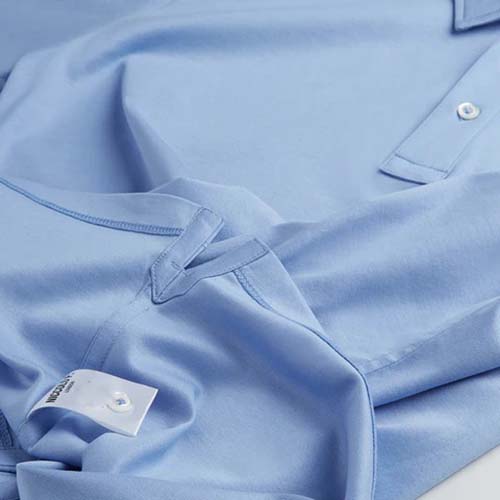
Construction highlights
- Collared neckline with placket for formality
- Side vents for mobility and comfort
- Ribbed sleeve cuffs for structure
- Stretchable or flexible fabric for natural movement
| Construction feature | Function |
|---|---|
| Collar & placket | Adds structured shirt-like appearance |
| Side vents | Allows for movement without bulk |
| Ribbed sleeves | Maintains sleeve shape |
| Ergonomic stitching | Comfort and durability |
How polo shirts are used in fashion
Polo shirts are versatile, bridging the gap between casual and semi-formal attire. They can be worn for work, social occasions, sports, or casual outdoor events.

At Fusionknits, we design polos with style and functionality in mind. They can be paired with chinos, shorts, or jeans, or layered under sweaters or jackets, demonstrating the adaptability expected of a shirt.
Styling examples
| Occasion | Styling tips |
|---|---|
| Business casual | Polo with chinos and leather shoes |
| Casual | Polo with jeans or shorts |
| Golf or sports | Moisture-wicking polo with performance shorts |
| Layering | Polo under sweater or blazer |
Why polo shirts count as shirts
Despite casual connotations, polo shirts meet the structural and stylistic criteria of a shirt:
- Collared neckline with placket
- Sleeve and torso coverage
- Structured yet flexible fit
- Suitable for multiple settings and layering
At Fusionknits, we treat polo shirts as a distinct shirt category because they combine comfort, structure, and versatility, satisfying both functional and aesthetic requirements.
Conclusion
Polo shirts are indeed a type of shirt. They combine the casual comfort of t-shirts with the structural features of traditional collared shirts, including a collar, placket, and tailored fit. Fabric choices like cotton pique, jersey, and poly-cotton blends provide softness, breathability, and durability, making them suitable for casual, semi-formal, and athletic contexts.
At Fusionknits, we design polo shirts from a professional manufacturing perspective, emphasizing ergonomic construction, fabric quality, and finish. Reinforced stitching, structured collars, and flexible fabrics ensure comfort, shape retention, and longevity.
By balancing function, comfort, and style, polo shirts occupy a unique position in apparel as versatile garments that count as both casual and shirt categories. Properly constructed and styled, polo shirts meet the performance and aesthetic standards of a high-quality shirt while offering the relaxed wearability of casual apparel.