Australia is often seen as a country with a strong retail market but limited local manufacturing. However, the country does have clothing manufacturers that produce garments ranging from casual wear to high-end fashion. Understanding the landscape of Australian clothing production is important for brands and retailers seeking local manufacturing options.
At Fusionknits, we recognize that Australia has specialized manufacturers focusing on quality, small to medium batch production, and sustainable practices. These manufacturers cater to brands emphasizing “Made in Australia” labels, premium quality, and ethical production standards.
As a professional apparel manufacturer, we examine how local manufacturing works in Australia, the types of garments produced, and the advantages and challenges of working with Australian factories.
What types of clothing are made in Australia?
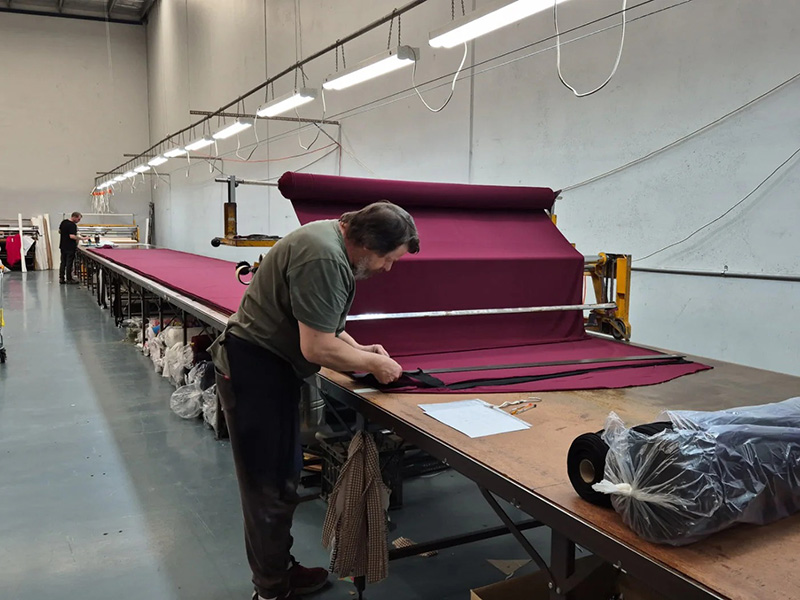
Australia’s clothing manufacturers specialize in various garment types, including casual wear, activewear, workwear, and fashion apparel. While mass production is less common compared to Asia, Australian factories often focus on small to medium runs with high-quality standards.
At Fusionknits, we note that activewear, wool garments, and eco-friendly collections are particularly suited to Australian manufacturing due to the availability of premium local fibers like Merino wool and emphasis on sustainable practices.
Garment categories
| Type | Characteristics |
|---|---|
| Casual wear | T-shirts, polos, casual pants for small batch production |
| Activewear | Leggings, track pants, sports tops using technical fabrics |
| Workwear | Durable, high-performance fabrics for safety or professional uniforms |
| Fashion apparel | Trend-driven garments with smaller, specialized runs |
How Australian manufacturers differ from overseas
Australian manufacturers tend to operate on smaller scales and prioritize quality over quantity. This contrasts with large-scale factories in Asia, which focus on volume and cost efficiency. Local factories often offer flexible production, ethical labor practices, and high-quality workmanship.

At Fusionknits, we leverage these advantages for clients seeking premium, ethically produced apparel that emphasizes brand value and authenticity.
Key differences
| Feature | Australia | Overseas (e.g., Asia) |
|---|---|---|
| Production scale | Small to medium batches | Large-scale mass production |
| Labor standards | Regulated, ethical | Varies by region |
| Lead times | Faster communication, shorter domestic shipping | Longer due to distance and logistics |
| Quality focus | High-quality, hand-finished garments | Volume and cost-driven production |
Where Australian clothing manufacturers are located
Most clothing manufacturers are concentrated in major cities such as Sydney, Melbourne, Brisbane, and Adelaide. These urban centers provide access to skilled labor, textile suppliers, and transport infrastructure for efficient production and distribution.
At Fusionknits, we identify Sydney and Melbourne as key hubs for fashion and activewear manufacturing, with specialized factories supporting small brands and premium collections.
City-specific strengths
| City | Specialty |
|---|---|
| Sydney | Fashion apparel, luxury garments, ethical manufacturing |
| Melbourne | Activewear, high-quality casual wear, small batch production |
| Brisbane | Workwear and functional apparel |
| Adelaide | Boutique fashion and eco-friendly lines |
What fibers are commonly used in Australia
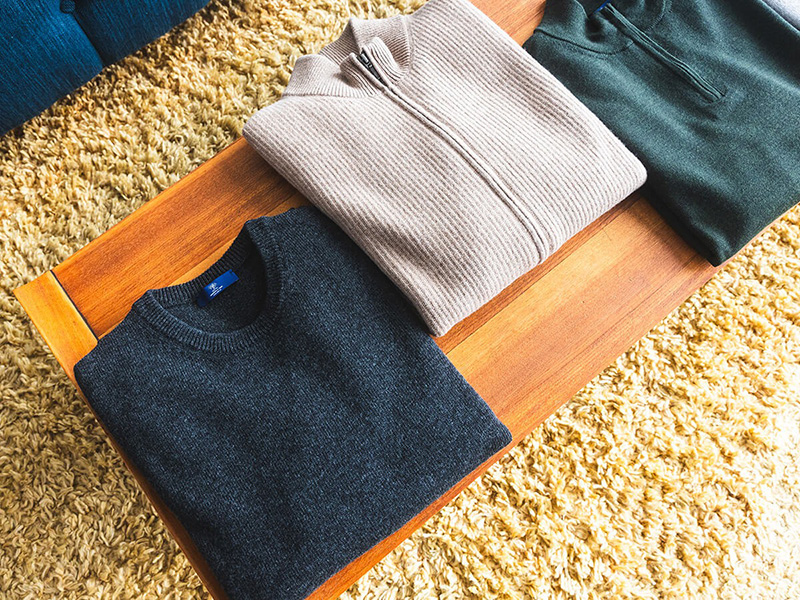
Australian manufacturers often use local fibers like Merino wool for sweaters and outerwear, cotton for casual garments, and technical fabrics for activewear. Locally sourced fibers reduce import dependency and support sustainable production.
At Fusionknits, we recommend utilizing Australian Merino wool for premium garments because of its natural softness, warmth, and performance properties, which are highly valued in global markets.
Common fibers
| Fiber | Usage |
|---|---|
| Merino wool | Sweaters, cardigans, luxury activewear |
| Cotton | T-shirts, casual wear, light garments |
| Technical fabrics | Sportswear, moisture-wicking tops, leggings |
| Blends | Combining comfort, durability, and stretch |
Advantages of manufacturing in Australia
Manufacturing locally provides brands with control over quality, faster lead times, and a marketing advantage by emphasizing “Made in Australia.” Local production also allows for flexibility in small batch runs and ethical oversight.
At Fusionknits, we highlight these advantages as important for brands targeting conscious consumers who value sustainability, quality, and traceable production practices.
Advantages
| Feature | Benefit |
|---|---|
| Ethical labor | Builds consumer trust and brand reputation |
| Shorter lead times | Quick sampling, prototyping, and production adjustments |
| Premium quality | Consistent workmanship and high-quality finishes |
| Local branding | “Made in Australia” can command higher value |
Challenges of Australian manufacturing
While benefits exist, challenges include higher production costs, limited scale for mass production, and fewer factories for specialized garments. Brands need to balance cost, production volume, and market positioning when choosing local manufacturing.
At Fusionknits, we advise careful planning to maximize the advantages of local manufacturing while mitigating higher costs through smart design, fabric selection, and efficient production planning.
Challenges
| Challenge | Mitigation |
|---|---|
| Higher labor costs | Optimize small batch production and premium pricing |
| Limited scale | Focus on quality, exclusivity, and niche markets |
| Fewer factories | Plan lead times and production schedules carefully |
Conclusion
Australia does have clothing manufacturers, though production is smaller scale compared to Asian markets. Key cities like Sydney, Melbourne, Brisbane, and Adelaide specialize in premium, ethical, and niche apparel, often using local fibers like Merino wool.
At Fusionknits, we approach manufacturing from a professional perspective, leveraging Australia’s skilled labor, quality standards, and local fibers to produce high-end apparel.
By understanding the benefits and challenges of Australian manufacturing, brands can create ethically produced, premium garments with reduced lead times, high-quality finishes, and a strong market identity that appeals to both local and international consumers.