A clothing manufacturer is a company or entity that produces garments from raw materials to finished products. Manufacturers handle tasks including fabric sourcing, pattern making, cutting, sewing, quality control, and sometimes packaging. They serve brands, retailers, and wholesalers by converting design concepts into market-ready apparel.
At Fusionknits, we define a clothing manufacturer as a professional organization responsible for managing the entire garment production process. Our focus is on precision, efficiency, and high-quality output to ensure that garments meet design specifications and consumer expectations.
Understanding the role of clothing manufacturers is crucial for brands and retailers to ensure quality, timeliness, and consistency in apparel production.
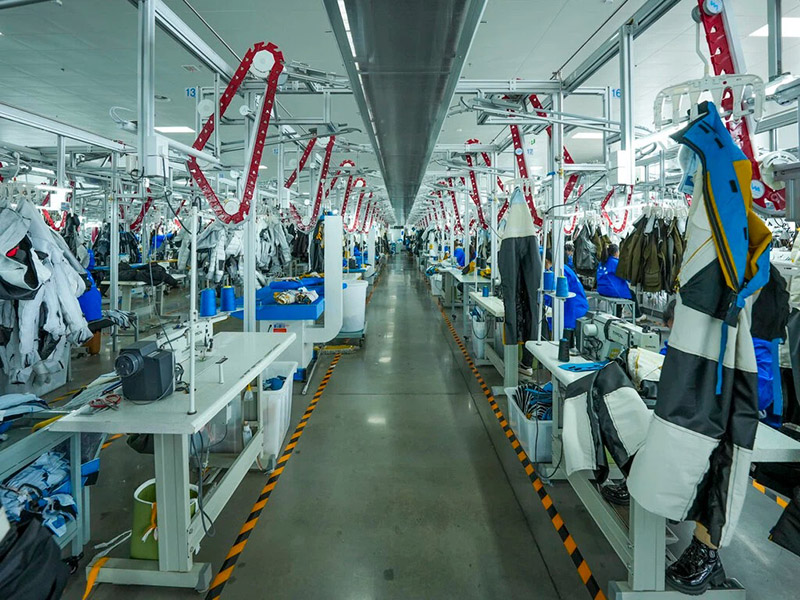
What are the main functions of a clothing manufacturer?
A clothing manufacturer oversees all steps in the production of garments. This includes sourcing fabrics and trims, creating patterns, cutting fabric, sewing, finishing, quality inspection, and logistics for delivery.
At Fusionknits, our operations cover the full production lifecycle: from fabric selection to final inspection, ensuring that each garment meets durability, comfort, and style standards. Manufacturers also provide technical guidance on material performance, sizing, and production feasibility.
Key functions
| Function | Role in production |
|---|---|
| Fabric and trim sourcing | Ensures quality, availability, and cost efficiency |
| Pattern making | Converts designs into accurate templates for cutting |
| Cutting | Prepares fabric pieces with precision for assembly |
| Sewing and assembly | Joins fabric components into finished garments |
| Finishing | Adds details, labels, and final touches |
| Quality control | Inspects for defects, fit, and consistency |
| Packaging and logistics | Prepares garments for delivery and distribution |
How do clothing manufacturers support brands?
Clothing manufacturers enable brands to focus on design, marketing, and sales while outsourcing production. They provide technical expertise, reduce production errors, and ensure garments are consistent with brand standards.

At Fusionknits, we collaborate closely with brands to align materials, specifications, and timelines. This partnership ensures that the final products meet brand expectations while remaining cost-efficient and high-quality.
Benefits to brands
| Benefit | Explanation |
|---|---|
| Technical expertise | Guidance on materials, cuts, and construction |
| Production efficiency | Reduces lead time and minimizes errors |
| Quality assurance | Maintains consistency across production runs |
| Cost management | Bulk sourcing and optimized production reduce expenses |
What types of clothing manufacturers exist?
Manufacturers can specialize in different types of apparel or production scales. Some focus on mass production for global brands, others on niche markets, artisanal garments, or custom collections.
At Fusionknits, we categorize manufacturers into several types:
- Full-package manufacturers: Handle end-to-end production from fabric sourcing to finished goods.
- Cut-and-sew manufacturers: Produce garments based on materials provided by the client.
- OEM (Original Equipment Manufacturer): Produces garments under the client’s brand specifications.
- ODM (Original Design Manufacturer): Designs and manufactures garments that clients can rebrand.
Manufacturer types
| Type | Role |
|---|---|
| Full-package | Complete production and sourcing solution |
| Cut-and-sew | Focused on assembly using supplied fabrics |
| OEM | Produces garments based on client design |
| ODM | Provides both design and manufacturing services |
How manufacturers ensure quality
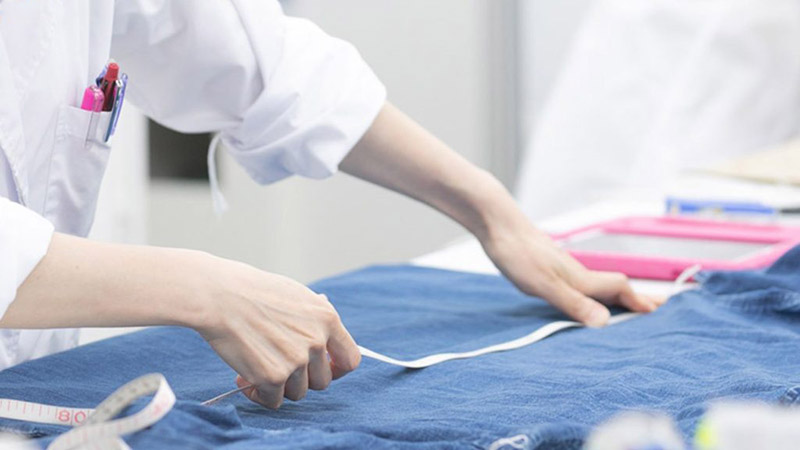
Quality control is essential in clothing manufacturing. Manufacturers inspect materials, monitor production, and check finished garments for defects, consistency, and compliance with specifications.
At Fusionknits, we implement multiple quality checkpoints: fabric inspection, in-line production checks, and final garment evaluation. This ensures that every piece meets durability, comfort, and aesthetic standards expected by brands and consumers.
Quality control steps
| Step | Purpose |
|---|---|
| Material inspection | Detects flaws in fabrics or trims |
| In-line checks | Monitors stitching, alignment, and construction |
| Final inspection | Verifies fit, color, and overall appearance |
How production scale affects manufacturing
Manufacturers operate on different production scales. Large-scale manufacturers produce thousands of garments per day for international brands, benefiting from economies of scale. Small-scale manufacturers specialize in smaller, custom orders, providing flexibility and personalization.
At Fusionknits, we offer scalable production solutions that cater to both high-volume international orders and boutique custom runs. Scaling efficiently while maintaining quality is a key competency for professional manufacturers.
Production scale comparison
| Scale | Example |
|---|---|
| Large-scale | Mass-produced T-shirts, jeans, hoodies |
| Small-scale | Custom collections, limited edition apparel |
How manufacturers choose fabrics and trims
Fabric selection is central to garment quality. Manufacturers source fabrics based on durability, comfort, elasticity, and colorfastness. Trims like buttons, zippers, and labels are chosen for functionality, style, and longevity.

At Fusionknits, we collaborate with reliable suppliers to ensure consistent fabric and trim quality. Proper material selection supports the desired aesthetic, performance, and consumer satisfaction.
Material considerations
| Material | Impact |
|---|---|
| Fabrics | Determines softness, breathability, and durability |
| Trims | Enhances function, style, and garment longevity |
Conclusion
A clothing manufacturer is a professional entity responsible for turning designs into finished garments through sourcing, pattern making, cutting, sewing, finishing, and quality control. They support brands by ensuring production efficiency, consistent quality, and technical expertise.
At Fusionknits, we approach manufacturing with a holistic perspective, integrating advanced production methods, high-quality fabrics, and skilled craftsmanship. By maintaining precise quality control and scalable production capabilities, we deliver garments that meet brand specifications and consumer expectations.
Understanding the role of clothing manufacturers helps brands, designers, and retailers make informed decisions to produce high-quality, stylish, and durable apparel for the global market.