
Many people wear pajamas night after night without thinking much about washing frequency. The problem is that pajamas sit directly against the skin for hours, absorb sweat, body oils, and skincare residue, and often stay in warm sleeping environments. That means washing them too rarely can affect hygiene, fabric condition, and sleep comfort.
Pajamas should usually be washed after about 3 to 4 wears, but the right schedule depends on how much you sweat, whether you shower before bed, the season, the fabric, and whether you wear underwear or layers underneath. If you sweat heavily, sleep hot, or have sensitive skin, washing after 1 to 2 wears is often better.
At Fusionknits, sleepwear is not only about softness. It is also about daily wear performance, hygiene, and long-term fabric care. A well-made pajama set should feel comfortable against the skin, but that comfort depends partly on how well the garment is maintained. Washing too often can shorten fabric life if the care method is too harsh. Washing too rarely can reduce freshness, skin comfort, and sleep quality. The strongest answer is not one fixed number for everyone. It is a smart washing rhythm based on real wear conditions.
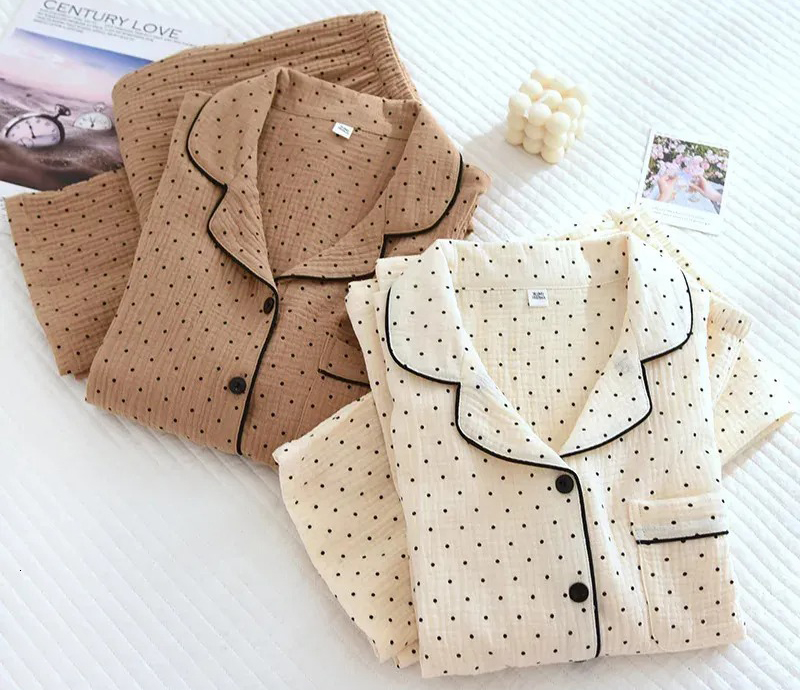
Why Do Pajamas Need Regular Washing?
Pajamas may look clean after one or two nights, but appearance does not tell the full story. During sleep, the body naturally releases sweat, oil, and skin cells. Those elements collect in the fabric even if the garment still looks fresh.
Pajamas need regular washing because they absorb sweat, body oils, dead skin, and product residue from the body every night. Over time, this buildup can reduce freshness, increase odor, irritate the skin, and weaken the comfort that sleepwear is supposed to provide.
From a garment perspective, pajamas are a direct-contact product. Unlike outerwear or jeans, they spend long hours against the skin in a warm and enclosed setting. That makes them much closer to underwear logic than to casualwear logic in terms of hygiene. Even if a person sleeps in a cool room and showers before bed, the garment still collects invisible residue with repeated wear.
At Fusionknits, this matters because sleepwear should be judged not only by first-touch softness, but by how well it continues to feel fresh after repeated wear and proper washing.
Why repeated wear changes pajamas quickly
- Sweat collects in the fabric
- Body oils transfer during sleep
- Skin cells build up over time
- Skincare products may remain on the textile
- Warm sleep environments increase odor risk
Why regular washing supports better sleepwear use
Clean fabric feels better against the skin
Fresh pajamas usually feel lighter, smoother, and more comfortable.
Hygiene affects sleep quality
A garment that feels stale can reduce the comfort of bedtime routines.
Fabric freshness protects product value
A well-maintained pajama set keeps its feel longer.
| Nightwear factor | Why it matters |
|---|---|
| Sweat buildup | Reduces freshness |
| Body oil transfer | Increases fabric residue |
| Repeated skin contact | Raises hygiene importance |
| Product residue | Changes fabric feel over time |
Is There a Standard Rule for How Often Pajamas Should Be Washed?
People often want one clear rule, but sleep habits vary too much for a single number to work perfectly in every case. Still, there is a useful general guideline.

A standard rule is to wash pajamas after about 3 to 4 wears, but this is only a starting point. Some people should wash after 1 to 2 wears, while others may stretch slightly longer if they sleep cool, shower before bed, and wear pajamas for a short time each night.
This range works because it balances hygiene and fabric care. Pajamas are not usually washed after every wear the way underwear is, but they are also not garments that should be worn for long stretches without laundering. The middle ground usually works best unless a person’s routine makes more frequent washing necessary.
At Fusionknits, this kind of care guidance is important because it helps customers protect both hygiene and garment life at the same time.
A practical washing rhythm
- 1 to 2 wears for heavy sweaters or hot sleepers
- 2 to 3 wears for warmer climates
- 3 to 4 wears for average use
- Slightly longer only in very low-sweat conditions
Why this guideline works
It reflects real sleepwear use
Pajamas are worn repeatedly and close to the skin.
It allows flexibility
Not every sleeper uses pajamas in the same way.
It supports better long-term maintenance
The garment stays fresh without unnecessary washing stress.
| Wear pattern | Common washing range |
|---|---|
| Heavy sweating | After 1 to 2 wears |
| Average use | After 3 to 4 wears |
| Low-sweat, short wear | Sometimes slightly longer |
Should You Wash Pajamas After Every Wear?
In some cases yes, but not always. Washing after every wear may be useful for some people, though it is not automatically necessary for everyone.
You should wash pajamas after every wear if you sweat heavily, sleep very hot, have sensitive skin, are sick, or wear the same set for many hours beyond bedtime. Otherwise, washing after every wear is usually not required if the pajamas stay fresh and the sleeping conditions are moderate.
Some people naturally sweat more during sleep. Others sleep in warmer rooms, use heavier bedding, or wear pajamas longer in the morning. In those cases, one wear may already create enough buildup to justify immediate washing. But for someone who showers before bed, sleeps cool, and wears the pajamas only for sleeping, daily washing may be more than necessary.
At Fusionknits, the best care approach is always use-based. Pajama maintenance should fit the wearer’s real routine, not only a generic rule.
Cases where daily washing makes sense
- Night sweats
- Very warm climate
- Sensitive or acne-prone skin
- Illness or fever
- Wearing pajamas all day
- Heavy use of body lotion or skin products
Cases where every-wear washing may be unnecessary
Cool sleepers
Less sweat usually means slower buildup.
Short wear duration
A person who changes into pajamas only for sleep may need less frequent washing.
Clean bedtime routine
Showering before bed reduces residue transfer.
| Condition | Daily wash more likely? |
|---|---|
| Heavy sweating | Yes |
| Sensitive skin | Yes |
| Cool clean bedtime use | Not always |
| Short overnight wear | Often no |
What Personal Habits Change How Often Pajamas Should Be Washed?
This is one of the biggest factors. The same pajama set can need very different care depending on who is wearing it and how they sleep.
Personal habits such as showering before bed, using body lotion, wearing underwear, sleeping hot, eating in bed, or spending extra hours lounging in pajamas all change how often sleepwear should be washed. The more skin contact, sweat, and product transfer involved, the more frequent washing becomes necessary.
A person who showers before bed, sleeps in a cool room, and changes into pajamas only for sleep may reasonably extend wear longer than someone who comes home, lounges for hours, and sleeps warm in the same set. The garment tells only part of the story. The routine behind it matters just as much.
At Fusionknits, this matters because sleepwear is not worn in a controlled factory setting. It is worn in real life, where usage patterns vary greatly.

Personal habits that increase washing frequency
- Skipping a pre-bed shower
- Applying lotions or oils
- Sleeping hot
- Wearing pajamas while cooking or lounging
- Eating snacks in bed
- Letting pets sleep on the pajamas
Habits that may reduce washing frequency slightly
Showering before bed
This lowers the amount of sweat and residue entering the fabric.
Wearing underwear under pajama bottoms
This can slightly reduce direct body transfer in some cases.
Short bedtime-only use
Less total wear time means slower fabric buildup.
| Personal habit | Effect on wash frequency |
|---|---|
| Bedtime shower | May reduce washing need slightly |
| Heavy body lotion | Increases washing need |
| Sleeping hot | Increases washing need |
| Wearing pajamas all evening | Increases washing need |
Does Fabric Type Affect How Often Pajamas Should Be Washed?
Yes, and this is one of the most overlooked parts of pajama care. Different fabrics absorb moisture, retain odor, and tolerate repeated laundering in different ways.
Yes, fabric type affects how often pajamas should be washed because cotton, modal, viscose, flannel, silk, satin, and synthetic blends all behave differently. Some fabrics breathe better and feel fresher longer, while others may absorb sweat or hold residue more quickly.
Cotton is breathable and usually easy to wash, which makes it one of the strongest pajama fabrics for frequent use. Modal and viscose can feel very soft, but they may need gentler care. Flannel is warm and cozy, but it can trap more heat, which may increase sweat in some sleepers. Silk and satin can feel luxurious, but they require more careful washing and handling.
At Fusionknits, fabric choice is always linked to care expectations. A sleepwear product should not only feel good. It should also fit the customer’s real washing routine.
How common pajama fabrics behave
- Cotton: breathable and easy-care
- Modal: soft and smooth, but gentler care needed
- Viscose blends: soft drape, moderate care sensitivity
- Flannel: warm, but can increase heat retention
- Silk: luxurious, but delicate
- Polyester blends: durable, but may retain heat differently
Why fabric changes washing decisions
Breathability affects sweat buildup
Warmer fabrics may need more frequent washing in hot sleepers.
Delicacy affects care method
A fabric may need washing often, but still require gentle handling.
Surface feel changes with residue
Softer fabrics can lose their comfort faster when buildup stays in the textile.
| Fabric type | Typical care implication |
|---|---|
| Cotton | Easy frequent washing |
| Modal blend | Soft, but gentler laundering |
| Flannel | More warmth, sometimes more sweat |
| Silk | Delicate and careful care needed |
Should Summer Pajamas Be Washed More Often Than Winter Pajamas?
Often yes, because heat usually changes how the body interacts with the garment. But the answer also depends on the person, not only the season.
Yes, summer pajamas often need to be washed more often than winter pajamas because warmer conditions usually increase sweating, body oil transfer, and fabric dampness. However, winter pajamas may still need frequent washing if the sleeper uses heavy blankets, sleeps warm, or wears the same set for long hours.
In summer, even light pajamas can absorb more sweat because the body is simply warmer. In winter, the environment may be cooler, but flannel, fleece, and heavy bedding can still create heat buildup. The strongest approach is to watch the real condition of wear instead of assuming the season alone decides everything.
At Fusionknits, seasonal fabric behavior matters because pajama categories often change with climate, and care guidance should reflect that.
Why summer pajamas may need faster washing
- More sweating
- More skin humidity
- More heat against the fabric
- Faster odor buildup
Why winter pajamas still need attention
Heavy bedding can increase heat
A cool room does not always mean a cool sleeping environment.
Warm fabrics retain body warmth
Flannel and thicker knits may hold more moisture close to the skin.
Longer wear time matters
Winter routines may include more lounging in sleepwear.
| Season | Common washing effect |
|---|---|
| Summer | Often more frequent |
| Winter | Still depends on body heat and fabric |
| Transitional seasons | Moderate, use-based schedule |
How Do You Know When Pajamas Need Washing Sooner?
Sometimes the standard schedule should be ignored because the garment is already telling you it needs care. Waiting for the next planned wash is not always the best decision.
Pajamas need washing sooner when they feel damp, smell less fresh, look stretched or stale, feel sticky from residue, or have visible marks from sweat, food, skincare, or daily home use. If the fabric no longer feels clean against the skin, it is time to wash it.
Many people wait until sleepwear looks dirty, but sleepwear often needs washing before that point. The more useful signs are smell, feel, and freshness. A pajama set that feels heavy, slightly greasy, or less comfortable than usual has probably reached its wash point already.
At Fusionknits, this is an important product-care point because comfortwear is judged by touch, not only by appearance.
Signs pajamas need washing immediately
- Any visible stain
- Sweat smell
- Damp or humid feel
- Body lotion residue
- Reduced fabric freshness
- Stretching at cuffs or neckline from repeated wear
Why feel matters more than appearance
Sleepwear may hide dirt visually
Light residue does not always show on the surface.
Freshness affects bedtime comfort
A garment can look fine but feel wrong.
Skin contact is the real test
Pajamas should still feel clean where they touch the body most.
| Sign | Wash now? |
|---|---|
| Visible stain | Yes |
| Strong odor | Yes |
| Sticky or heavy feel | Yes |
| Still fresh and light | Possibly wait |
How Can You Wash Pajamas Often Without Ruining Them?
This is a practical concern for many customers. Washing pajamas regularly is good for hygiene, but rough care can shorten the product’s lifespan. The solution is not avoiding washing. It is washing them correctly.
You can wash pajamas often without ruining them by using gentle detergent, cool or warm water as appropriate, mild cycles, low drying heat or flat drying, and separating delicate fabrics from rough garments. Proper care keeps sleepwear clean while protecting softness, color, and shape.
Cotton pajamas usually tolerate standard gentle laundering well. Delicate modal, viscose, satin, and silk products usually need softer treatment. Heavy washing with towels, denim, or rough zippers can reduce softness and increase wear faster than necessary.
At Fusionknits, long-term sleepwear value depends on two things working together: correct fabric choice and realistic care behavior.
Better pajama-care habits
- Wash with similar soft garments
- Use mild detergent
- Avoid harsh bleach unless fabric-safe
- Choose low heat drying when possible
- Turn garments inside out if the surface is delicate
- Follow label instructions
Why good care protects comfort
Softer washing protects hand feel
This matters especially in modal and brushed fabrics.
Lower heat protects recovery
Elastic and trim usually last longer.
Better sorting reduces abrasion
The garment surface stays smoother over time.
| Care habit | Benefit |
|---|---|
| Mild cycle | Less fabric stress |
| Low heat | Better shape retention |
| Similar-garment wash | Less abrasion |
| Proper label care | Longer garment life |
What Should Brands Tell Customers About Pajama Washing?
Strong brands should not stay vague here. Sleepwear is a direct-contact category, so care guidance should be practical, realistic, and easy to follow.
Brands should tell customers that pajamas usually need washing after about 3 to 4 wears, with more frequent washing for hot sleepers, heavy sweaters, sensitive skin users, and summer use. They should also give clear fabric-specific care instructions so customers can keep garments fresh without damaging them.
At Fusionknits, we believe practical care guidance improves both customer trust and product satisfaction. When brands explain the expected washing rhythm honestly, they reduce confusion and help customers protect both hygiene and garment life.
Useful care guidance for brands
- Give a normal wear-range suggestion
- Mention sweat and season factors
- Explain fabric-specific care
- Keep instructions simple and practical
- Avoid unrealistic promises about extended wear
Why this matters commercially
Better care improves customer satisfaction
The product keeps its comfort longer.
Clear advice reduces misuse
Customers are less likely to overwash or underwash.
Honest guidance builds trust
The brand feels more credible and helpful.
| Brand message | Customer benefit |
|---|---|
| Wash after several wears | Better hygiene understanding |
| Adjust by sweat and climate | More practical care |
| Follow fabric instructions | Better garment life |
Conclusion
Pajamas should usually be washed after about 3 to 4 wears, but that is only a practical average, not a rule that fits everyone. The right schedule depends on sweating, bedtime habits, season, fabric type, skincare use, and how long the pajamas are worn beyond sleep. Some people should wash after 1 to 2 wears, especially if they sleep hot, sweat more, have sensitive skin, or wear the same set for extended hours at home. Others may be able to wear pajamas slightly longer if they shower before bed, sleep cool, and use the garment only for sleeping.
At Fusionknits, the best pajama care approach is one that protects both comfort and garment life. Pajamas should feel fresh, light, and clean against the skin, because sleepwear is one of the most direct-contact categories in apparel. Washing too rarely reduces freshness and may affect skin comfort.
Washing properly and consistently keeps the garment pleasant to wear while helping preserve softness, fit, and fabric quality. In the end, the best answer is simple: wash pajamas often enough that they still feel clean every time you go to sleep, and care for them gently enough that they continue to perform well night after night.