Many buyers and consumers use the words loungewear and pajamas as if they mean the same thing. That confusion is common because both categories focus on softness, comfort, and relaxed wear. But in real apparel development, they are not the same product space.
No, loungewear is not the same thing as pajamas. Pajamas are mainly designed for sleeping, while loungewear is designed for relaxed waking hours such as staying at home, casual indoor wear, light errands, and comfort-led daily routines. The two categories can overlap in softness and styling, but they differ in purpose, construction, and commercial positioning.
At Fusionknits, this distinction matters because product development, fabric choice, fit balance, and marketing strategy all change once the brand decides whether the garment belongs to sleepwear, loungewear, or a crossover category. A soft product is not automatically a pajama, and a relaxed set is not automatically loungewear unless its use and construction support that role clearly.
Why Do People Confuse Loungewear and Pajamas?
The confusion usually comes from comfort. Both categories are soft, relaxed, and often made from knit fabrics. From a distance, they can look similar, especially when the styling is minimal.
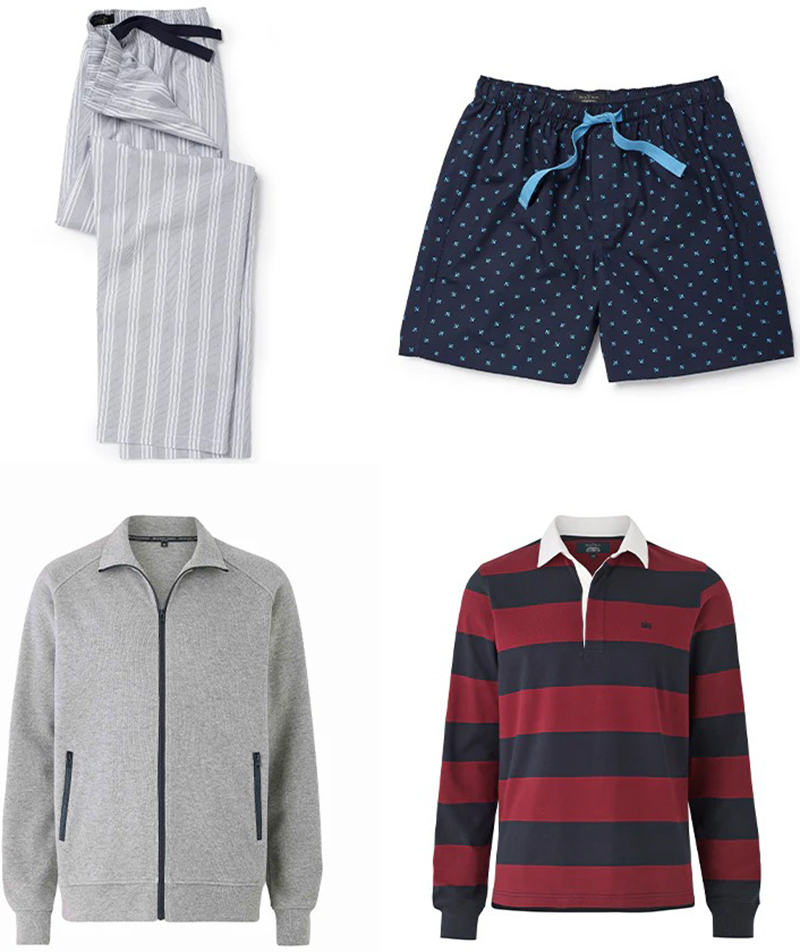
People confuse loungewear and pajamas because both are comfort-driven categories with soft fabrics, loose or easy fits, and homewear associations. The overlap in silhouette and material makes them look similar, even though their intended use is different.
From a product development perspective, the problem is that visual similarity does not mean technical similarity. A pajama set may be soft and loose because it is designed for sleeping comfort. A loungewear set may also be soft, but it often needs more structure, better coverage, stronger recovery, and a more presentable silhouette for waking use.
At Fusionknits, this is one of the first distinctions we clarify with buyers. If the target use is unclear, the product can end up sitting in the wrong category and performing poorly in the market.
Why the two categories get mixed together
- Both are comfort-led
- Both are often worn at home
- Both may use knit fabrics
- Both may have matching top-and-bottom sets
- Both often use soft color palettes
Why the difference still matters
Homewear is now more complex
Customers expect some products for sleep and other products for relaxed daytime use.
Styling overlap creates category blur
Modern apparel often crosses between private and public comfort dressing.
Product purpose changes development
Fabric, trim, opacity, and fit all depend on whether the garment is for sleep or lounge use.
| Source of confusion | Why it happens |
|---|---|
| Soft fabrics | Both categories use them |
| Matching sets | Both categories may include them |
| Relaxed fits | Both categories reduce body pressure |
| Indoor association | Both are linked to homewear |
What Is the Main Difference Between Loungewear and Pajamas?
The clearest difference is purpose. Once the intended use is defined, the category becomes much easier to understand.
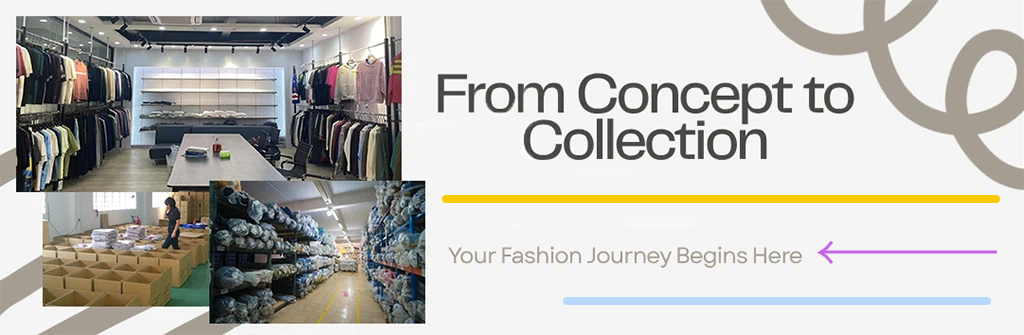
The main difference between loungewear and pajamas is that pajamas are made mainly for sleeping, while loungewear is made mainly for relaxed waking wear. Pajamas prioritize night comfort and sleep function, while loungewear prioritizes comfort with more flexibility for daytime movement, indoor living, and casual home-to-lifestyle use.
At Fusionknits, purpose always comes first because it shapes every other product choice. A pajama can be lighter, softer, and more sleep-specific. A loungewear product usually needs better daywear presence, better shape retention, and more styling value.
Main category difference
- Pajamas = sleep-first
- Loungewear = wake-first comfortwear
- Pajamas = night use
- Loungewear = home and relaxed daily use
- Pajamas = softer category identity
- Loungewear = broader lifestyle identity
Why purpose is the strongest divider
It changes the body expectation
A sleeping garment must behave differently from a waking garment.
Loungewear may be seen by others during daily life more often than sleepwear.
It changes collection planning
A loungewear brand and a sleepwear brand do not build the same assortment in the same way.
| Category | Primary purpose |
|---|---|
| Pajamas | Sleeping |
| Loungewear | Relaxing while awake |
| Crossover set | Sleep plus light home use |
Are Pajamas Made Differently from Loungewear?
Yes, in many cases. Even when the silhouette looks similar, the construction logic is often different. Pajamas are usually built with sleep comfort first, while loungewear often needs more structure and broader wear flexibility.
Yes, pajamas are often made differently from loungewear because pajamas are designed around sleep comfort, lower body pressure, softness, and ease in bed, while loungewear often needs stronger shape retention, better opacity, more durable construction, and a more polished appearance for daytime wear.
For example, pajama pants may tolerate a lighter fabric that feels very soft in bed. Loungewear pants often need more body so they do not look too thin or too revealing during daily movement. Pajama tops may focus on softness and ease around the torso, while loungewear tops often need to look stronger as standalone casual pieces.
At Fusionknits, once the category is defined, the development path becomes much more accurate.
Construction areas that often differ
- Fabric weight
- Opacity
- Recovery
- Pocket use
- Trim details
- Shape stability
- Outer appearance
Why construction changes with category
Sleepwear can be lighter
The product is judged mainly by comfort in bed.
Loungewear needs better presentation
The garment often functions in visible daytime use.
Durability priorities can shift
Loungewear may face more frequent movement and repeated daytime friction.
| Product factor | Pajamas | Loungewear |
|---|---|---|
| Main requirement | Sleep comfort | Daily comfort plus appearance |
| Fabric body | Often lighter | Often more stable |
| Styling demand | Lower | Higher |
What Fabrics Are Common in Pajamas?
Pajama fabrics are usually selected for softness, breathability, and low-friction contact with the skin. The category often favors comfort over structure.
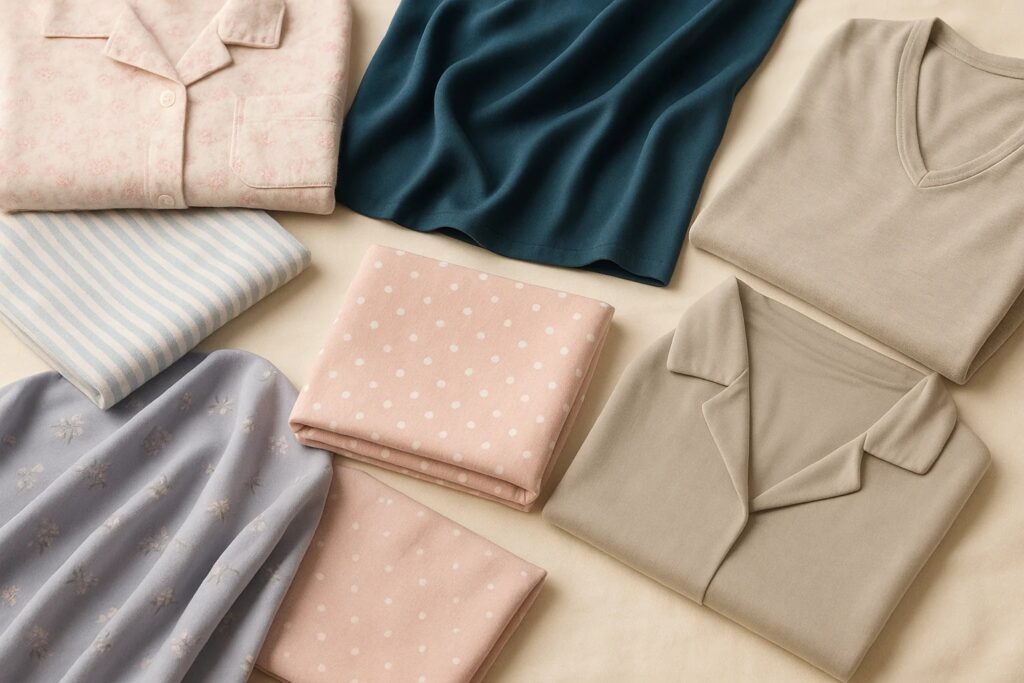
Common pajama fabrics include cotton jersey, cotton poplin, viscose blends, modal blends, lightweight rib knits, satin, flannel, and soft sleepwear knits. These materials are chosen because they feel gentle against the skin and support comfort during sleep.
At Fusionknits, pajama fabrics usually begin with skin feel and nighttime comfort. Breathability matters, but so does fabric smoothness. The product should feel restful, not heavy or overly structured.
Common pajama fabric directions
- Cotton jersey
- Cotton poplin
- Modal blend
- Viscose blend
- Satin
- Flannel
- Lightweight rib knit
Why these fabrics work well in sleepwear
They reduce friction
This supports movement during sleep.
They feel soft against the skin
That improves comfort in long wear.
They do not need strong daywear structure
The category is not built around polished public appearance.
| Pajama fabric | Common product role |
|---|---|
| Cotton jersey | Soft sleep set |
| Poplin | Classic pajama shirt and pant |
| Modal blend | Smooth premium pajama |
| Flannel | Winter sleepwear |
What Fabrics Are Common in Loungewear?
Loungewear fabrics usually need softness too, but they often require more body, better recovery, and a more presentable surface than sleepwear fabrics.
Common loungewear fabrics include French terry, brushed fleece, cotton jersey, modal blends, rib knits, interlock knits, ponte, double-knit, and cotton-elastane or viscose-elastane blends. These fabrics are chosen because they support both comfort and a stronger daytime silhouette.
At Fusionknits, loungewear fabric decisions often depend on how far the product moves beyond the bedroom. If it is meant for home-only relaxation, the fabric can stay softer and looser. If it is meant for home-to-errand use or premium matching sets, the fabric usually needs more body and stability.
Common loungewear fabric directions
- French terry
- Brushed fleece
- Cotton jersey
- Rib knit
- Modal or viscose blend
- Interlock knit
- Ponte
- Stretch-supported blends
Why these fabrics suit loungewear
They support movement while awake
The product must handle sitting, walking, and daily use.
They create better presentation
The garment should not look too sleep-specific.
They help the set feel more versatile
The customer may wear it across multiple parts of the day.
| Loungewear fabric | Common product role |
|---|---|
| French terry | Everyday lounge set |
| Brushed fleece | Warm comfortwear |
| Rib knit | Fitted loungewear |
| Ponte | Premium lounge set |
Can Loungewear Be Worn Outside the House?
Yes, and this is one of the biggest reasons loungewear and pajamas should not be treated as the same thing. Loungewear often sits in a much broader use space.

Yes, loungewear can often be worn outside the house, especially when the product has enough structure, opacity, and styling value. Modern loungewear is often designed for home, casual errands, travel, and relaxed social settings, while pajamas usually remain more sleep-centered.
This is where category boundaries become commercially important. A good loungewear set may work with sneakers, a cardigan, an overshirt, or a light jacket. Pajamas usually do not carry that same visual flexibility unless the brand is intentionally building a sleep-to-street crossover story.
At Fusionknits, this difference often changes how the buyer positions the product and how the fabric is selected.
Why loungewear works outside the home
- More stable fabric
- Better silhouette
- Higher opacity
- Stronger styling flexibility
- More polished trim and finish
Why pajamas usually stay more private
Sleepwear language is more obvious
The garment may look too bedroom-specific.
Fabric may be too light
The product may not support broader wear.
Styling intention is different
Pajamas are usually not built around public presentation.
| Wear setting | Pajamas | Loungewear |
|---|---|---|
| Sleeping | Strong fit | Strong fit |
| Home relaxation | Strong fit | Strong fit |
| Quick errands | Limited | Often suitable |
| Casual travel | Limited | Often suitable |
Do Loungewear and Pajamas Have Different Fits?
Often yes. Even when both categories feel relaxed, the fit logic can still differ. Pajamas usually allow sleep ease, while loungewear often needs more shape for daytime use.
Yes, loungewear and pajamas often have different fits. Pajamas usually focus on ease and low pressure for sleep comfort, while loungewear often uses a more balanced fit that still feels relaxed but looks more intentional during waking wear.
Pajama pants may be cut looser without much taper. Loungewear pants may still feel easy, but they often use a cleaner leg line. Pajama tops may sit more loosely and lightly across the body, while loungewear tops often need better drape and stronger silhouette.
At Fusionknits, fit is one of the clearest product signals separating sleepwear from loungewear.
Fit traits often seen in pajamas
- Lower body pressure
- Simpler loose leg lines
- Easier torso fit
- Lighter construction
Fit traits often seen in loungewear
More balanced silhouette
The garment still needs to look presentable while relaxed.
Better lower-leg control
Especially in pants and jogger-based lounge bottoms.
More polished set proportions
Matching lounge sets often rely on cleaner lines.
| Fit factor | Pajamas | Loungewear |
|---|---|---|
| Main fit goal | Sleep comfort | Relaxed daily comfort |
| Silhouette | Softer and looser | Relaxed but more controlled |
| Visual structure | Lower | Higher |
When Does a Product Become a Crossover Between Pajamas and Loungewear?
Some products sit between the two categories. This is common now because many brands want versatile homewear that supports both sleep and relaxed indoor life.
A product becomes a crossover between pajamas and loungewear when it is soft and sleep-friendly, but also structured enough for daytime home use or light casual wear. These crossover pieces usually sit in the middle of the two categories in fabric, fit, and styling.
Crossover products can perform very well commercially, but only when the balance is handled carefully. If the product is too sleep-like, it loses daytime value. If it is too structured, it may lose sleep comfort.
At Fusionknits, crossover categories work best when the product brief is very clear from the beginning.
Common crossover products
- Soft matching knit sets
- Modal lounge-sleep sets
- Ribbed tops with easy lounge pants
- Lightweight jersey sets with cleaner finishing
Why crossover products matter
They fit modern lifestyles
Customers want products that work across more than one use.
They increase repeat wear
The product has more daily value.
They open broader selling language
The brand can sell comfort beyond one narrow moment.
| Product type | Category position |
|---|---|
| Traditional pajama set | Sleep-first |
| Soft lounge set | Day-first comfort |
| Modal matching set | Crossover |
| Structured lounge set | Loungewear-first |
How Should Brands Label and Market These Categories Clearly?
A lot of confusion begins at the brand level. If the product is named poorly, customers may misunderstand what it is meant to do.
Brands should label and market pajamas and loungewear clearly by naming the intended use, describing the fabric honestly, showing the product in the right setting, and avoiding category confusion in product copy. Sleep-first products should be sold as pajamas or sleepwear, while day-first comfort products should be sold as loungewear.
At Fusionknits, category clarity is important because it affects customer expectations, return rates, and repeat purchase trust. A customer should know whether the product is designed mainly for sleep, for relaxed daily wear, or for crossover use.
Better labeling strategies
- Use “pajama set” for sleep-first products
- Use “loungewear set” for day-first comfort products
- Use “sleep and lounge set” only when the product genuinely supports both
- Explain the fabric behavior clearly
- Use product imagery that matches the true category
Why this matters commercially
Clear language reduces confusion
Customers understand the product more quickly.
Better labels improve conversion
The product promise feels more precise.
Category trust supports repeat orders
The customer is more likely to return when the product performs as described.
| Label type | Best use |
|---|---|
| Pajama set | Sleep-first garment |
| Loungewear set | Relaxed waking wear |
| Sleep-lounge crossover | Hybrid comfort product |
Which Category Is Better for a New Brand to Start With?
The answer depends on the brand vision, but many modern startups find loungewear more flexible because it supports broader wear occasions and more collection expansion.
For many new brands, loungewear is often the stronger starting category because it has broader lifestyle use, more styling flexibility, and easier expansion into sets, layering pieces, travelwear, and soft casual basics. Pajamas can also work well, but they usually sit in a more defined sleepwear space.
At Fusionknits, we often see startups choose loungewear because it gives them more room to build product stories around comfort, home-to-street ease, travel, and soft daily wear. Pajamas can still be a strong business, but the category path is usually more focused.
Why loungewear can be a stronger launch category
- Broader market use
- Easier product expansion
- Stronger styling value
- Better crossover into lifestyle branding
- Strong repeat-wear potential
Why pajamas can still be a good launch
Clear category focus
A sleepwear-first brand can build a very direct identity.
Strong gifting potential
Pajamas often perform well in seasonal gifting.
Emotional comfort value
The category can build loyalty through softness and ritual.
| Launch focus | Strongest advantage |
|---|---|
| Loungewear brand | Broader lifestyle relevance |
| Pajama brand | Clearer sleepwear identity |
| Crossover brand | Flexible comfort story |
Conclusion
Loungewear is not the same thing as pajamas, even though the two categories often overlap in softness, relaxed fit, and homewear associations. Pajamas are mainly designed for sleeping, which means they usually prioritize nighttime comfort, lower body pressure, and sleep-specific fabric choices. Loungewear is designed for relaxed waking hours, which means it often needs more structure, better presentation, stronger recovery, and broader lifestyle flexibility. That is why the same-looking set can belong to very different product categories once purpose, fabric, and fit are examined carefully.
At Fusionknits, we treat this distinction as a key product development decision. A pajama collection, a loungewear collection, and a crossover comfort collection should not all be built the same way.
The strongest brands are the ones that define the intended use clearly and then align fabric, fit, construction, and brand language around that choice. When buyers understand that loungewear and pajamas are related but not identical, they make better sourcing decisions, build stronger assortments, and create products that feel more accurate, more useful, and more commercially effective in the market.