Bamboo and cotton are two popular natural fibers used in clothing, each with distinct advantages. Consumers and brands often compare them to determine which provides superior comfort, durability, and sustainability. Bamboo is known for its softness, breathability, and eco-friendly properties, while cotton has a long-standing reputation for comfort, versatility, and ease of care.
At Fusionknits, we evaluate both fibers for their performance, wearability, and environmental impact when manufacturing high-quality apparel. Understanding the differences helps brands make informed choices for product lines, whether in casual wear, loungewear, or activewear.
As a professional clothing manufacturer, we explore the characteristics of bamboo and cotton fibers, their advantages and limitations, and how blends and processing techniques influence fabric performance.
What are the key properties of bamboo fabric?
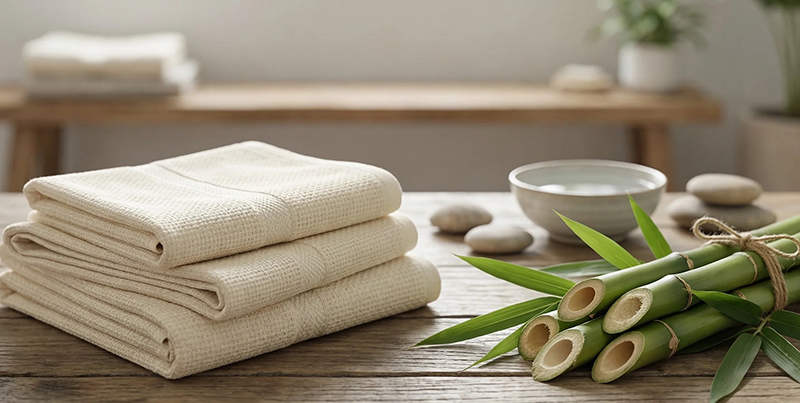
Bamboo fabric is derived from bamboo plants and can be processed mechanically (bamboo linen) or chemically (bamboo viscose). It is naturally soft, breathable, and moisture-wicking. Bamboo fibers are also antibacterial and hypoallergenic, making them ideal for sensitive skin.
At Fusionknits, we use high-quality bamboo fibers to produce garments that are soft, durable, and comfortable for all-day wear.
Bamboo fabric benefits
| Feature | Benefit |
|---|---|
| Softness | Gentle on skin, luxurious feel |
| Breathability | Allows airflow, regulates body temperature |
| Moisture-wicking | Keeps skin dry, reduces discomfort |
| Antibacterial | Reduces odor and inhibits bacterial growth |
| Eco-friendly potential | Rapidly renewable and biodegradable |
What are the key properties of 100% cotton?
Cotton is a natural fiber prized for its softness, breathability, and versatility. It absorbs moisture effectively and is hypoallergenic. High-quality cotton, such as combed or ring-spun cotton, provides durability and a smooth hand feel, making it ideal for everyday wear and casual garments.

At Fusionknits, we select premium cotton fibers to ensure our garments retain softness, shape, and comfort after repeated use.
Cotton fabric benefits
| Feature | Benefit |
|---|---|
| Softness | Comfortable and gentle on the skin |
| Breathability | Keeps wearer cool in warm climates |
| Moisture absorption | Helps regulate humidity and sweat |
| Durability | Long-lasting when properly woven or knitted |
| Versatility | Suitable for various garment types and finishes |
How do bamboo and cotton compare in comfort?
Bamboo is generally softer than standard cotton due to its naturally smooth fibers and chemical or mechanical processing methods. It provides a silky feel and is excellent for sensitive or infant skin. Cotton is also soft, particularly when high-quality combed or ring-spun cotton is used, but may feel slightly less smooth than bamboo.
At Fusionknits, we assess both fibers for hand feel, stretch, and recovery, ensuring the final garments meet premium comfort standards.
Comfort comparison
| Property | Bamboo | Cotton |
|---|---|---|
| Softness | Silky, smooth | Soft, slightly coarser |
| Flexibility | Naturally stretchable | Moderate, depends on knit |
| Skin-friendliness | Hypoallergenic, antibacterial | Hypoallergenic, breathable |
| Heat regulation | Keeps wearer cooler in heat | Breathable, moderate heat retention |
How durability differs between bamboo and cotton
Cotton is inherently strong and durable, particularly in woven or high-quality knitted fabrics. Bamboo fibers, especially chemically processed viscose, may be less durable under repeated washing if not blended with other fibers. Blends of bamboo and cotton or spandex can enhance longevity and maintain softness.
At Fusionknits, we optimize blends and finishes to improve bamboo fabric durability without sacrificing its natural softness and performance.
Durability comparison
| Property | Bamboo | Cotton |
|---|---|---|
| Tensile strength | Moderate, may need reinforcement | Strong, long-lasting |
| Wash resistance | May shrink or weaken if pure | Good shape retention with high-quality cotton |
| Longevity | Improved with blends | Excellent, especially ring-spun cotton |
| Pilling resistance | Can be treated | Moderate, depends on knit and finish |
How moisture management differs
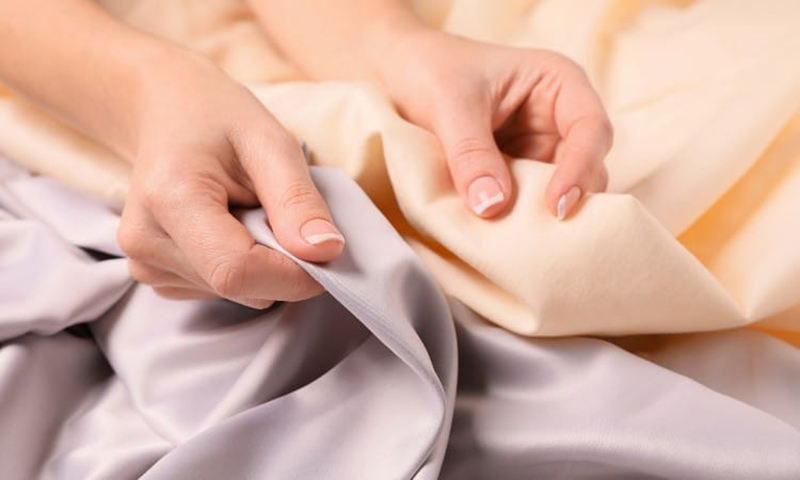
Bamboo fibers naturally wick moisture away from the skin and have excellent breathability. Cotton absorbs moisture well but may retain it longer, which can make garments feel damp during high activity. This makes bamboo advantageous for activewear and loungewear designed to regulate temperature and comfort.
At Fusionknits, we choose fiber compositions based on intended activity, ensuring optimal comfort for the wearer.
Moisture comparison
| Property | Bamboo | Cotton |
|---|---|---|
| Absorbency | High, wicks moisture efficiently | High, retains moisture longer |
| Drying speed | Quick | Moderate |
| Sweat management | Excellent for activewear | Good for casual wear |
Environmental considerations
Bamboo grows quickly, requires minimal pesticides, and is biodegradable, giving it an eco-friendly reputation. However, chemical processing into viscose may involve harmful chemicals unless properly managed. Cotton is renewable but requires significant water, pesticides, and energy for cultivation and processing.

At Fusionknits, we prioritize sustainable sourcing for both bamboo and cotton, using eco-conscious processes to minimize environmental impact.
Sustainability comparison
| Property | Bamboo | Cotton |
|---|---|---|
| Growth rate | Rapid, renewable | Moderate, requires time and care |
| Water usage | Low | High |
| Chemical use | Minimal in mechanical, high in chemical processing | Moderate to high |
| Biodegradability | Yes | Yes |
Which fiber is better for specific garment types?
The ideal fiber depends on the intended garment use. Bamboo excels in soft loungewear, baby clothes, and moisture-managing activewear. Cotton is highly versatile, suitable for casual shirts, sweatpants, and durable daily wear.
At Fusionknits, we match fiber choice to garment function to ensure comfort, durability, and performance.
Fiber recommendations by garment
| Garment Type | Recommended Fiber |
|---|---|
| Baby clothes | Bamboo, bamboo-cotton blends |
| Activewear | Bamboo-spandex, polyester-cotton blends |
| Casual wear | Cotton, cotton-bamboo blends |
| Loungewear | Bamboo or cotton for softness and comfort |
How blends enhance fiber performance
Blending bamboo with cotton or spandex combines softness, stretch, and durability. Cotton-bamboo blends retain natural softness and breathability while enhancing structural integrity. Adding spandex improves flexibility and fit, making garments suitable for active lifestyles.
At Fusionknits, we design blends that optimize comfort, longevity, and performance, ensuring garments remain soft and wearable over time.
Common blends
| Blend | Benefit |
|---|---|
| 70% Bamboo / 30% Cotton | Soft, breathable, slightly stronger |
| 95% Bamboo / 5% Spandex | Stretchable, comfortable for activewear |
| 60% Cotton / 40% Bamboo | Balance of softness, durability, and easy care |
Conclusion
Bamboo and 100% cotton both offer unique benefits in apparel. Bamboo is naturally softer, moisture-wicking, antibacterial, and eco-friendly, making it ideal for loungewear, activewear, and baby clothes. Cotton is durable, versatile, breathable, and widely available, excelling in casual and everyday garments. Blends of bamboo and cotton combine the best properties of both fibers, offering comfort, durability, and performance.
At Fusionknits, we evaluate fiber properties, blends, and fabric constructions to produce high-quality garments tailored to the intended use.
By leveraging bamboo, cotton, or their blends, we create clothing that balances softness, performance, sustainability, and longevity, ensuring that brands deliver garments that meet modern consumer expectations for comfort, functionality, and style.