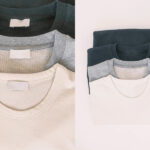
Polo shirts are a wardrobe staple, widely appreciated for their versatility, comfort, and style. While various fabrics can be used, most polo shirts are made from cotton, polyester, or a blend of the two. The choice of fabric affects comfort, breathability, durability, and appearance.
At Fusionknits, we specialize in producing high-quality polo shirts using carefully selected fibers, knitting techniques, and finishing processes. Understanding the materials used in polo shirts helps brands design garments that balance style, performance, and comfort for consumers.
As a professional clothing manufacturer, we explore the types of fibers commonly used, their benefits and limitations, and how blends and knit constructions contribute to high-quality polo shirts.
Why cotton is the most common polo shirt material
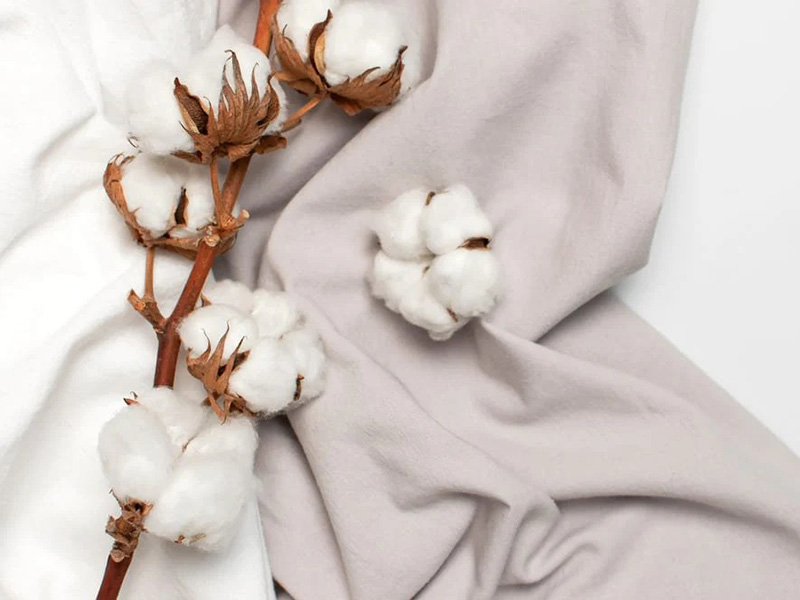
Cotton is the predominant fabric for polo shirts due to its softness, breathability, and natural comfort. It is hypoallergenic, moisture-absorbing, and versatile, making it suitable for casual, professional, and sporty styles.
At Fusionknits, we use high-quality cotton fibers to create polo shirts that are soft to the touch, maintain their shape, and resist pilling even after repeated washing.
Benefits of cotton polo shirts
| Property | Advantage |
|---|---|
| Softness | Comfortable for prolonged wear |
| Breathability | Keeps the wearer cool and dry |
| Moisture absorption | Reduces sweat buildup |
| Durability | Long-lasting when spun and knitted properly |
| Dye retention | Holds colors well for vibrant shirts |
Limitations of cotton
While cotton is soft and breathable, it may shrink if not pre-shrunk, wrinkle easily, and can lose shape over time. These factors require careful finishing or blending with synthetic fibers to enhance performance.
How polyester enhances polo shirts
Polyester is a synthetic fiber often used in performance polo shirts. It is lightweight, durable, quick-drying, and resistant to shrinkage and wrinkles. Polo shirts made from polyester are suitable for sports, outdoor activities, and hot climates.

At Fusionknits, we combine polyester with cotton to produce shirts that are both comfortable and high-performing.
Benefits of polyester polo shirts
| Property | Advantage |
|---|---|
| Moisture-wicking | Draws sweat away from the body |
| Durability | Resists abrasion and pilling |
| Shape retention | Maintains fit after repeated washes |
| Quick-drying | Convenient for active use |
| Colorfastness | Colors remain vibrant over time |
Limitations of polyester
Polyester can feel less soft than cotton and may trap heat if not properly ventilated. Blending with natural fibers or using advanced knitting techniques can improve comfort and breathability.
Why cotton-polyester blends are popular
Blending cotton and polyester combines the advantages of both fibers. The cotton provides softness and breathability, while the polyester enhances durability, wrinkle resistance, and moisture management. Most modern polo shirts are produced using blends to optimize comfort and performance.
At Fusionknits, we design blends tailored to consumer needs, considering the activity, climate, and style preferences.
Common cotton-polyester blends
| Blend | Benefits |
|---|---|
| 60% Cotton / 40% Polyester | Soft, durable, moisture-wicking |
| 50% Cotton / 50% Polyester | Balanced comfort and durability |
| 80% Cotton / 20% Polyester | Predominantly natural feel with shape retention |
| 95% Cotton / 5% Spandex | Adds flexibility and stretch |
How knit structures affect polo shirts
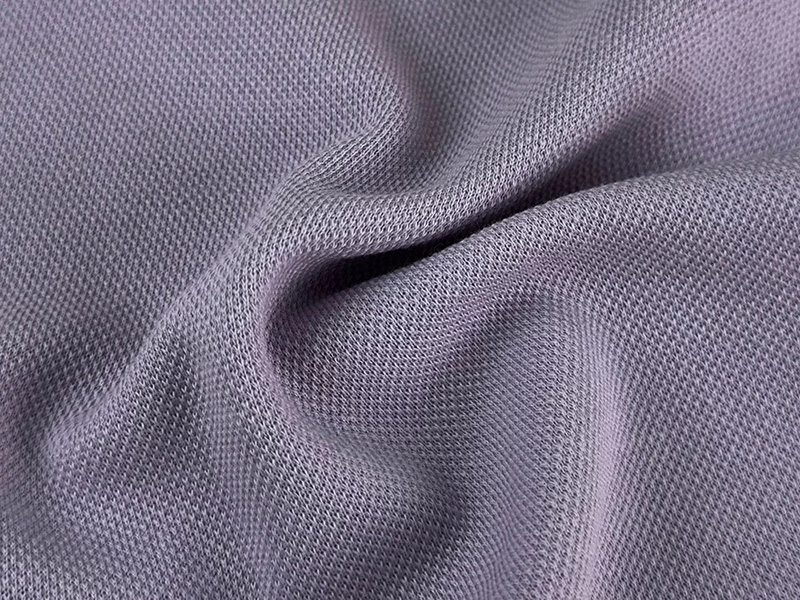
Polo shirts are typically made with knitted fabrics such as pique, jersey, or interlock. Each knit affects texture, breathability, stretch, and overall look. Pique knit, with its raised pattern, is classic for polo shirts, providing structure and durability. Jersey knit is smooth, soft, and drapey, suitable for casual or performance polo shirts.
At Fusionknits, we choose knitting structures to align with fabric type, style, and intended use, ensuring the final garment meets aesthetic and functional expectations.
Popular polo shirt knits
| Knit Type | Features | Typical Use |
|---|---|---|
| Pique | Textured, breathable, durable | Classic polos, golf shirts |
| Jersey | Smooth, lightweight, stretchy | Casual and athletic polo shirts |
| Interlock | Dense, soft, stable | Premium or fitted polos |
How finishing techniques enhance performance
Finishing treatments such as enzyme washes, pre-shrinking, anti-pilling, and heat setting improve softness, durability, and shape retention. For blended fabrics, finishing ensures polyester retains shape and cotton maintains softness. Advanced dyeing techniques ensure vibrant, long-lasting colors.
At Fusionknits, we apply specialized finishing techniques to guarantee that polo shirts feel soft, maintain shape, and perform well over repeated washes and wear.
Typical finishing processes
| Process | Purpose |
|---|---|
| Enzyme wash | Softens cotton fibers |
| Pre-shrinking | Reduces post-wash shrinkage |
| Anti-pilling | Maintains smooth surface |
| Heat setting | Stabilizes fiber shape and stretch |
| Colorfast dyeing | Ensures long-lasting, vibrant colors |
How activity and climate influence fabric choice
The intended use of the polo shirt often dictates fabric selection. Sports or golf polos benefit from polyester or cotton-polyester blends for moisture management and durability. Casual wear or office-friendly polos may prioritize soft, breathable cotton or cotton-modal blends.

At Fusionknits, we align fabric selection with garment function, climate, and activity to optimize comfort, performance, and appearance.
Recommended fabrics by scenario
| Use Case | Ideal Material |
|---|---|
| Casual wear | 100% cotton or cotton-modal blends |
| Sports / Golf | Cotton-polyester or polyester-spandex blends |
| Travel | Blended fabrics with wrinkle resistance |
| Summer | Lightweight cotton or bamboo-cotton blends |
How sustainability considerations affect fabric choice
Bamboo or organic cotton is increasingly used in polo shirts to appeal to eco-conscious consumers. Bamboo is soft, naturally antibacterial, and breathable, while organic cotton is grown without harmful pesticides. Both offer sustainable alternatives to conventional cotton and polyester fabrics.
At Fusionknits, we prioritize sustainable sourcing while maintaining performance and durability, offering eco-friendly fabrics for high-quality polo shirts.
Sustainable fabric options
| Fabric | Environmental Benefit |
|---|---|
| Organic cotton | Reduced pesticide use, renewable |
| Bamboo | Rapidly renewable, biodegradable |
| Recycled polyester | Reduces plastic waste and energy usage |
How blends and construction affect fit and durability
Blending fibers and choosing appropriate knit structures influence the fit, stretch, and lifespan of polo shirts. Cotton-polyester blends with slight spandex provide stretchable comfort and maintain shape. Interlock and pique knits enhance durability and give a premium feel.
At Fusionknits, we optimize fiber blends and knit construction to deliver polo shirts that balance comfort, performance, and long-term wearability.
Key construction considerations
| Feature | Impact |
|---|---|
| Knit density | Controls stretch, texture, and durability |
| Fiber blend ratio | Balances softness, performance, and shape retention |
| Stretch fiber inclusion | Provides flexibility and ergonomic fit |
| Stitching and finishing | Enhances longevity and aesthetic appeal |
Conclusion
Most polo shirts are made from cotton, polyester, or blends of both, with cotton dominating for its comfort and breathability. Polyester enhances durability, moisture-wicking, and wrinkle resistance.
Blends combine these advantages to provide garments suitable for casual, professional, and sports use. Knit structures like pique, jersey, and interlock influence texture, stretch, and appearance, while finishing techniques improve softness, shape retention, and colorfastness.
At Fusionknits, we select premium fibers, advanced knit constructions, and precise finishing methods to produce high-quality polo shirts. By considering fabric type, blend ratio, knit structure, finishing, and sustainability, we create garments that balance comfort, performance, and style. Our approach ensures that brands deliver polo shirts that meet consumer expectations for fit, softness, durability, and visual appeal in a competitive market.