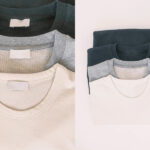
Many buyers hear the phrase layering pieces and think it only means adding more clothes in cold weather. That is too narrow. In real apparel development, layering pieces are not only for warmth. They help control temperature, improve outfit structure, extend seasonal use, and make wardrobes more flexible. If a brand does not understand layering clearly, the collection often becomes less practical and less commercially complete.
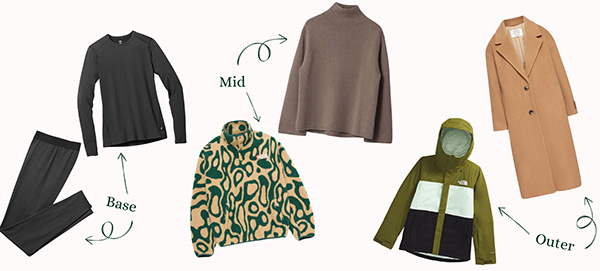
At Fusionknits, we define layering pieces as garments designed to be worn together in a planned way, usually in base, mid, or outer positions. Good layering pieces help the wearer adjust comfort, build a more balanced outfit, and make clothing useful across more seasons, climates, and situations.
As a professional apparel manufacturer, we see layering as one of the most practical ideas in apparel. A strong layering product does more than look good on its own. It also works well with other garments in weight, silhouette, neckline, sleeve shape, and fabric behavior. That is why layering pieces are not random wardrobe extras. They are strategic products inside a collection.
Why do layering pieces matter so much in apparel?
Layering pieces matter because they increase how often garments can be worn. A tank top may work alone in summer and under a sweatshirt in cooler weather. A lightweight sweatshirt may work as outerwear in spring and as a mid-layer in winter. That flexibility increases product value.
Layering pieces matter because they improve comfort, make outfits more adaptable, and extend the usefulness of garments across different temperatures and styling situations. They help one wardrobe do more with fewer pieces.
At Fusionknits, we often explain that layering is both a styling function and a product-planning function. Customers want clothes that work harder, not only clothes that work once. When a garment layers well, it becomes easier to repeat, easier to style, and easier to justify commercially.
Why layering matters in product development
- It increases repeat wear
- It improves seasonal flexibility
- It helps collections feel more complete
- It supports comfort in changing weather
- It adds styling depth without requiring complex garments
Why this matters for brands
Layering increases wardrobe value
A product that works in multiple roles usually becomes more useful to the customer.
Better layering creates stronger assortments
A collection feels more connected when garments can be worn together naturally.
| Layering benefit | Why it matters |
|---|---|
| Better outfit flexibility | More styling options |
| Better temperature control | More practical wear |
| Better repeat use | Stronger product value |
What counts as a layering piece?
A layering piece is not one fixed garment type. It is any piece designed to work with other garments in a clear position. That means layering pieces can be tops, bottoms, or outer layers, depending on the collection.

Layering pieces are garments meant to be worn under, over, or between other garments. Common layering pieces include tank tops, T-shirts, long-sleeve basics, lightweight sweatshirts, cardigans, overshirts, hoodies, leggings, and light jackets.
At Fusionknits, we usually classify layering pieces by how they function in the outfit rather than by category name alone. A tank top can be a base layer. A crewneck sweatshirt can be a mid-layer. A lightweight jacket can be an outer layer. The same garment can even change role depending on season.
Common layering pieces
- Tank tops
- T-shirts
- Long-sleeve tees
- Polos in some smart-casual wardrobes
- Sweatshirts
- Hoodies
- Cardigans
- Overshirts
- Vests
- Lightweight jackets
- Leggings and fitted underlayers in some categories
Why category name alone is not enough
Function decides the layering role
A garment becomes a layering piece because of how it is worn, not only what it is called.
The same item can play different roles
A hoodie may be outerwear in autumn and a mid-layer in winter.
| Garment | Possible layering role |
|---|---|
| Tank top | Base layer |
| Sweatshirt | Mid-layer |
| Lightweight jacket | Outer layer |
Are base layers the same as layering pieces?
Base layers are part of the layering system, but they are not the whole system. They are just the first layer closest to the body. Layering pieces include more than only base garments.
Base layers are one type of layering piece, but layering pieces also include mid-layers and outer layers. A base layer usually sits closest to the skin, while other layering garments build warmth, structure, or protection above it.
At Fusionknits, we see base layers as the comfort foundation. They often control skin feel, moisture contact, and how the rest of the outfit sits. But if a buyer only thinks about base layers, they miss the larger function of layering as a full outfit system.
Common base layers
- Tank tops
- Fitted T-shirts
- Long-sleeve basics
- Lightweight performance tops
- Leggings in some cold-weather systems
Why base layers are important
They shape direct body comfort
The first layer often decides whether the whole outfit feels easy to wear.
They support the layers above
A good base layer reduces friction under knits, sweatshirts, and jackets.
| Layer type | Main role |
|---|---|
| Base layer | Skin comfort and foundation |
| Mid-layer | Warmth and outfit body |
| Outer layer | Protection and final structure |
What are mid-layers, and why are they important?
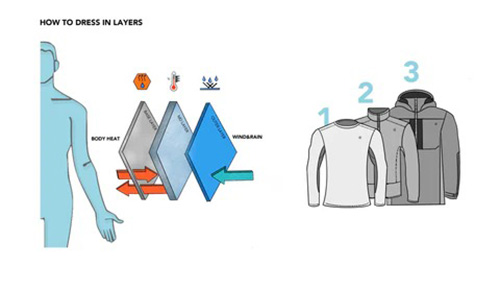
Mid-layers sit between the base layer and outerwear. They are one of the most useful types of layering pieces because they often provide warmth and visual structure without being too heavy.
Mid-layers are garments worn over a base layer and under an outer layer, usually to add warmth, texture, or shape. Common mid-layers include sweatshirts, hoodies, cardigans, lightweight knitwear, and overshirts.
At Fusionknits, mid-layers are often the most commercially important layering pieces because they work across many seasons. A sweatshirt, for example, can be worn alone, over a tee, or under a coat. That flexibility gives it strong value in a collection.
Common mid-layer pieces
- Crewneck sweatshirts
- Hoodies
- Cardigans
- Knit pullovers
- Overshirts
- Light fleece tops
- Quarter-zips
Why mid-layers are so useful
They support temperature control
A wearer can add or remove them more easily than a heavy coat.
They shape the outfit visually
Mid-layers often create the most noticeable casualwear silhouette.
| Mid-layer piece | Main function |
|---|---|
| Sweatshirt | Warmth and casual structure |
| Cardigan | Soft layering and flexibility |
| Overshirt | Light structure and coverage |
Are outer layers also layering pieces?
Yes. Outer layers are still part of the layering system because they sit over the rest of the outfit and complete the structure. They are often the most visible layer, but they still depend on what happens underneath.
Yes, outer layers are layering pieces because they are designed to be worn over base and mid-layers. Common outer layers include jackets, coats, puffers, windbreakers, and some heavier overshirts or utility layers.
At Fusionknits, we always remind buyers that outer layers should not be developed alone. Their shoulder fit, armhole space, and body volume must allow for layering underneath. A coat that cannot layer properly may still look good on a hanger, but it performs poorly in real life.
Common outer layering pieces
- Light jackets
- Bomber jackets
- Puffers
- Coats
- Windbreakers
- Utility jackets
- Heavy overshirts in some markets
Why outer layers depend on the rest of the outfit
They need layering space
A good outer layer should fit over other garments without pulling awkwardly.
They complete the layering system
The outer layer often controls final warmth, protection, and visual finish.
| Outer layer | Main role |
|---|---|
| Lightweight jacket | Seasonal outer layer |
| Puffer | Warmth and protection |
| Coat | Structure and outer coverage |
What materials work best for layering pieces?
Layering pieces need fabrics that work together. If one layer is too bulky, too stiff, or too slippery, the full outfit can feel uncomfortable. This is why material planning matters so much.

The best materials for layering pieces are usually fabrics that balance comfort, weight, breathability, and drape. Common strong options include cotton jersey, rib knit, French terry, loopback cotton, lightweight fleece, knitwear blends, and selected performance fabrics depending on the layer’s role.
At Fusionknits, we usually choose materials based on layer position. Base layers need softness and skin comfort. Mid-layers need enough body without excess bulk. Outer layers need structure and compatibility with the garments worn underneath.
Strong materials for different layering roles
- Cotton jersey for base layers
- Rib knit for fitted layering tops
- French terry for mid-layers
- Loopback cotton for premium mid-layers
- Lightweight fleece for warmth
- Knitwear blends for soft transitional layers
- Performance knits for active layering systems
Why material balance matters
Too much bulk ruins layering
A layering piece should add function without making the outfit feel heavy too quickly.
Breathability must stay controlled
Layers should work together, not trap discomfort in the wrong way.
| Layer role | Strong material direction |
|---|---|
| Base layer | Soft cotton jersey or rib |
| Mid-layer | French terry or knitwear |
| Outer layer | Structured woven or technical fabric |
What makes a garment a good layering piece instead of just another item?
Not every garment layers well. A good layering piece usually has the right weight, fit, and construction to work with other products naturally. The best layering garments feel easy to combine, not difficult.
A good layering piece usually has balanced weight, clean silhouette, compatible neckline or sleeve shape, and enough comfort to work with other garments. It should add function without creating bulk, pressure, or fit conflict.
At Fusionknits, we evaluate layering pieces by asking simple product questions. Can it fit under another garment smoothly? Can it be worn over a lighter piece without distortion? Does the hem, cuff, and neckline work cleanly in a layered outfit? These small things decide whether the product succeeds.
Signs of a strong layering piece
- Balanced fabric weight
- Clean fit without excess bulk
- Easy neckline compatibility
- Good sleeve movement
- Comfortable body feel
- Useful role across seasons
Signs of a weak layering piece
Too bulky
The garment becomes hard to wear under outer layers.
Poor silhouette balance
The product may pull, bunch, or sit awkwardly over base pieces.
| Product quality | Layering result |
|---|---|
| Balanced weight | Easier layering |
| Cleaner fit | Better outfit integration |
| Better construction | More practical repeat wear |
How should brands build layering pieces into a collection?
A strong collection should not treat layering as an afterthought. It should be planned through product relationships. The garments should support each other in weight, shape, and use.
At Fusionknits, brands should build layering pieces into a collection by creating clear base, mid, and outer options that work together in fabric, fit, and styling. The strongest collections usually include a light base layer, one or two flexible mid-layers, and an outer layer that can complete the system.
This makes the collection easier to merchandise and easier for the customer to understand. It also improves cross-selling because one garment naturally leads into another.
A practical layering collection structure
- Base layer top
- Mid-layer sweatshirt or knit
- Outer layer jacket or coat
- Optional layering bottom such as leggings or fitted underlayer
- Coordinated colors and compatible fits
Why this approach works
It improves outfit building
Customers can combine products more naturally.
It improves commercial value
Layering pieces encourage multi-item purchasing.
| Collection role | Example |
|---|---|
| Base | Tank or fitted tee |
| Mid | Sweatshirt or cardigan |
| Outer | Jacket or coat |
Conclusion
Layering pieces are garments designed to be worn together in a planned outfit system. They include base layers such as tank tops and fitted tees, mid-layers such as sweatshirts, hoodies, and cardigans, and outer layers such as jackets and coats.
Their function is not only to add warmth. They also help control comfort, improve outfit structure, extend seasonal wear, and make wardrobes more flexible. That is why layering pieces are not a minor category. They are one of the most practical parts of modern apparel.
At Fusionknits, we believe good layering pieces are defined by how well they work with other garments. A strong layering product should have the right fabric, the right fit, and the right role inside the outfit. When brands plan layering clearly, they build collections that feel more complete, more wearable, and much more commercially valuable.