Bomber jackets are one of the most enduring outerwear styles in fashion and streetwear. Initially designed for military pilots, bomber jackets have evolved into a versatile wardrobe staple, worn in casual, fashion, and luxury contexts. One common question from buyers and consumers is: what are most bomber jackets actually made of?
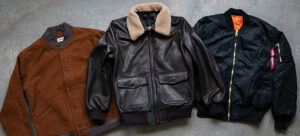
Most bomber jackets are made from materials such as nylon, polyester, leather, or wool blends. The choice of material depends on functionality, fashion purpose, insulation, and durability. Nylon and polyester dominate casual and military-style bombers, while leather and wool are used for premium and fashion-forward variations.
At Fusionknits, we manufacture bomber jackets for global buyers, and material selection is one of the most critical factors in determining the jacket’s durability, appearance, and functionality.
Why material choice matters in bomber jackets
The material defines how a bomber jacket looks, feels, and performs. It affects warmth, water resistance, weight, and style.
Bomber jackets rely on specific fabrics to maintain shape, provide comfort, and meet the functional or aesthetic expectations of consumers.
At Fusionknits, we carefully select fabrics based on intended end-use and seasonal demand.
Key material considerations
- Durability for long-term use
- Breathability and comfort
- Weight appropriate for layering
- Aesthetic appeal
- Water and wind resistance
- Compatibility with insulation and lining
Material choice influences cost, design, and consumer satisfaction.
Why nylon is the most common material
Nylon is the classic material for bomber jackets, particularly those inspired by the original military design.

Nylon is popular because it is lightweight, durable, wind-resistant, and water-repellent, making it ideal for both functional and casual bomber jackets.
Nylon’s versatility has helped it remain the standard choice for contemporary bomber jackets.
Advantages of nylon
- Durable and abrasion-resistant
- Lightweight for mobility
- Smooth finish for aesthetic appeal
- Resistant to wind and light rain
- Easy to dye in a variety of colors
Nylon allows manufacturers to balance performance and fashion.
Common nylon finishes
| Finish | Purpose |
|---|---|
| Matte | Subtle, minimal sheen |
| Shiny | Fashion-forward look |
| Water-repellent coating | Protects from light rain |
| Ripstop weave | Increased tear resistance |
Finishes enhance both performance and visual appeal.
Why polyester is also popular
Polyester is a synthetic fabric often used in bomber jackets, sometimes blended with nylon or other fibers.
Polyester is favored because it is durable, easy to maintain, resists wrinkles, and holds color well, making it ideal for mass-market and fashion bomber jackets.
At Fusionknits, polyester allows efficient production while maintaining quality standards.
Benefits of polyester
- Lightweight yet strong
- Resistant to fading
- Holds its shape over time
- Can be blended with cotton or spandex for stretch
- Supports printed or embroidered designs
Polyester provides both cost efficiency and versatility.
Common applications
| Application | Reason |
|---|---|
| Casual streetwear | Durable and lightweight |
| Team or promotional jackets | Holds colors and logos well |
| Insulated bombers | Works with lining and padding |
Polyester often serves as a practical and affordable alternative to nylon.
Why leather bomber jackets remain popular
Leather bombers are considered premium and fashion-oriented.
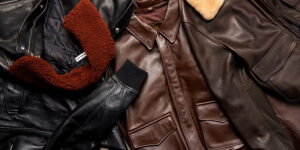
Leather bomber jackets are made from cowhide, lambskin, or goatskin to provide durability, luxury appeal, and timeless style.
These jackets are more expensive to produce but offer higher perceived value.
Benefits of leather
- Extremely durable
- Luxurious feel and appearance
- Retains warmth
- Ages well, develops patina
- Suitable for fashion and lifestyle use
Leather bombers are often considered investment pieces in wardrobes.
Types of leather used
| Leather Type | Features |
|---|---|
| Cowhide | Tough, structured, long-lasting |
| Lambskin | Soft, smooth, luxurious feel |
| Goatskin | Lightweight, durable, slightly textured |
Material choice affects price, weight, and wearability.
Why wool and blended fabrics are used
Some bomber jackets use wool or wool blends for warmth and style.
Wool bombers provide natural insulation, a soft texture, and a more structured look, making them suitable for fall and winter fashion.
Blending wool with synthetics can improve durability and reduce weight.
Wool and blend advantages
- Warmth and insulation
- Natural moisture management
- Structured drape
- Soft feel
- Blend reduces cost while maintaining performance
Wool bombers are popular in colder climates or for fashion-focused markets.
Common blends
| Blend | Purpose |
|---|---|
| Wool-Polyester | Durability, reduced weight |
| Wool-Nylon | Increased abrasion resistance |
| Wool-Cashmere | Premium softness, luxury finish |
These blends balance warmth, durability, and comfort.
How linings impact bomber jackets
The outer material is only part of the equation. Linings play a critical role in comfort, warmth, and fit.

Bomber jackets often include quilted polyester, nylon, fleece, or satin linings, depending on insulation requirements and style goals.
Fusionknits designs linings to complement the outer material for optimal comfort.
Common lining types
- Satin: Smooth, easy to layer over clothing
- Fleece: Soft, warm, suitable for winter wear
- Quilted polyester: Thermal insulation without bulk
- Mesh: Lightweight, breathable for active use
Linings enhance both functionality and aesthetic appeal.
Why lining choice matters
- Improves thermal retention
- Prevents friction with inner clothing
- Supports overall structure of the jacket
- Adds perceived quality to premium jackets
Proper linings are essential for luxury or technical bomber jackets.
How insulation affects material selection
Many bomber jackets include insulation for warmth. Materials must complement padding or fill.
Insulated bombers use down, synthetic fibers, or fleece padding, which influence outer fabric selection for durability and moisture resistance.
Fusionknits balances insulation with outer material to maintain performance and appearance.
Common insulation types
| Insulation | Benefits |
|---|---|
| Down | Lightweight, high warmth |
| Synthetic | Water-resistant, hypoallergenic |
| Fleece | Soft, comfortable, medium warmth |
Choice of insulation impacts weight, flexibility, and price.
Why outer material must support insulation
- Holds padding securely
- Prevents tearing or wear
- Maintains shape
- Supports color retention and finish
High-quality outer fabrics extend the life of insulated bombers.
How trims and details contribute to material choice
High-quality zippers, ribbed cuffs, elasticized hems, and hardware must match the durability of outer fabrics.
Bomber jackets use ribbed cotton or polyester blends for cuffs and hems, while zippers may be metal or premium plastic for longevity.
Material selection impacts both functionality and style.
Common bomber jacket details
- Ribbed cuffs and hem: Cotton-poly blends or wool
- Zippers: Metal for durability, plastic for lightweight jackets
- Buttons or snaps: Reinforce closures and add style
- Hood drawstrings: Matching or complementary materials
Details enhance both durability and aesthetics.
Why water resistance matters
Many bomber jackets are worn outdoors, so fabric performance is important.
Nylon and polyester bombers often include Durable Water Repellent (DWR) finishes to protect against light rain and wind.
Finishes improve functionality without changing the silhouette.
Common protective treatments
- Durable Water Repellent (DWR)
- Teflon-coated nylon
- Laminated polyester shells
These treatments increase performance for everyday wear.
Why fashion and function combine
Bomber jackets are both practical and stylish. Material choices like nylon or leather satisfy functional needs while providing a desired look.
How fashion trends affect bomber jacket materials
Trends influence which materials are popular in streetwear and luxury fashion.
Contemporary fashion favors lightweight technical fabrics, satin finishes, metallic sheens, and premium leather, while casual bombers use traditional nylon and polyester.
Fusionknits monitors trends to recommend materials for seasonal collections.
Popular material trends
- Satin or silk finishes for luxury streetwear
- Lightweight technical fabrics for athleisure
- Eco-friendly nylon or recycled polyester
- Leather with brushed or soft finishes
Trends shift rapidly but high-quality materials remain core to popularity.
Why bomber jackets are versatile
Bomber jackets adapt to multiple materials, making them suitable for various climates and occasions.
Their versatility allows nylon, polyester, leather, or wool variations to serve fashion, utility, activewear, and lifestyle markets.
At Fusionknits, material selection depends on target audience and market segment.
Material-function mapping
| Material | Ideal Use |
|---|---|
| Nylon | Casual, lightweight, windproof |
| Polyester | Casual, color-rich, affordable |
| Leather | Fashion-forward, premium styling |
| Wool | Winter warmth, structured fashion |
Versatility is a key reason bombers remain a popular outerwear category.
Conclusion
Most bomber jackets are made from nylon, polyester, leather, or wool blends. Nylon and polyester dominate casual, functional, and military-inspired bombers due to durability, lightweight, and water-resistant properties. Leather and wool are used for premium, fashion-forward, and winter-ready variations, providing luxury appeal and warmth.
Other factors like linings, insulation, trims, and finishes further influence the overall performance and style of bomber jackets. Ribbed cuffs, metal zippers, insulated padding, and water-repellent coatings ensure longevity, comfort, and practicality. Fashion trends also drive material selection, with satin, silk, and technical fabrics increasingly popular in contemporary streetwear.
At Fusionknits, we design bomber jackets with careful attention to material, fit, construction, and style. By choosing the right combination of fabrics and finishes, we create products that satisfy both practical needs and fashion preferences, ensuring that bomber jackets remain one of the most versatile and popular outerwear categories worldwide.