Pima cotton is widely recognized as a premium fabric, often used in high-end T-shirts, polos, and luxury bedding. However, many buyers and consumers wonder why Pima cotton commands a higher price than standard cotton.
Pima cotton is expensive because it uses extra-long staple fibers that require specialized cultivation, harvesting, and processing methods (Pima cotton cost). These fibers produce softer, stronger, and more durable yarns, but growing, spinning, and finishing Pima cotton is costlier and more labor-intensive than regular cotton.
At Fusionknits, we frequently work with long-staple and Pima cotton fabrics for premium apparel, and understanding the factors driving cost is crucial for both B2B buyers and brands.
What makes Pima cotton different from standard cotton?
The key distinction between Pima cotton and regular cotton lies in the fiber length and quality.
Pima cotton is an extra-long staple cotton (long staple cotton), meaning each fiber is over 1.4 inches long, compared to shorter fibers in standard cotton, which are often less than 1.25 inches. Longer fibers result in smoother, stronger yarns that feel softer and resist pilling.
Fiber length directly impacts the hand feel, durability, and appearance of the fabric.
Fiber quality comparison
| Feature | Pima Cotton | Regular Cotton |
|---|---|---|
| Fiber Length | Extra-long | Shorter |
| Softness | Superior | Moderate |
| Durability | High | Moderate |
| Pilling Resistance | High | Lower |
| Yarn Smoothness | Smooth, fewer ends | Rougher, more loose ends |
These differences explain why Pima cotton garments often feel luxurious.
How cultivation affects Pima cotton cost
Pima cotton requires specific growing conditions and careful agricultural practices, which increase production expenses.

Pima cotton is cultivated mainly in the U.S., Peru, and Australia (Pima cotton cultivation), where the climate and soil support extra-long staple growth. Farmers use controlled irrigation, careful harvesting, and selective picking to maintain fiber quality.
Farming conditions, yield per acre, and harvesting methods all influence the cost of raw fiber.
Factors contributing to higher cultivation costs
- Limited growing regions
- Lower yield per acre
- Hand-picking to avoid fiber damage
- Pest management and irrigation systems
- Organic or sustainable cultivation practices
These factors make raw Pima cotton more expensive than commodity cotton.
How spinning and yarn production impact price
After harvesting, Pima cotton undergoes spinning to convert long fibers into yarn. Extra-long fibers require more precise spinning techniques.
Spinning Pima cotton into yarn is labor-intensive and slower than spinning standard cotton because it demands careful alignment of fibers to maintain strength and smoothness (Pima cotton yarn production).
At Fusionknits, we emphasize that yarn quality significantly affects fabric performance.
Why spinning Pima is costlier
- Requires longer carding and combing processes
- Yarn must maintain uniform thickness
- Higher precision reduces waste
- Equipment calibration is critical for long fibers
- Quality control at multiple stages
Premium yarn quality ensures soft, durable, and high-performance fabric.
Yarn production comparison
| Process | Pima Cotton | Regular Cotton |
|---|---|---|
| Fiber Preparation | Extra care | Standard process |
| Spinning Speed | Slower | Faster |
| Waste Ratio | Lower | Higher |
| Yarn Smoothness | Very smooth | Moderate |
| Yarn Strength | High | Moderate |
The extra care and precision contribute directly to higher production costs.
How fabric construction affects Pima cotton pricing
Fabric type, weave, and finishing also influence the cost of Pima cotton garments.
Pima cotton is often used in high-end T-shirts, polos, and bedding that require tight weaves, smooth textures, and durable finishes, all of which increase manufacturing expenses (premium cotton garments).
Fabric construction ensures the fabric maintains softness, drape, and longevity.
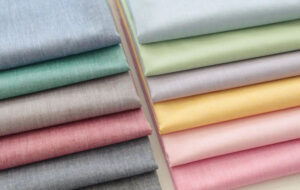
Common Pima cotton fabric types
| Fabric Type | Typical Use | Cost Impact |
|---|---|---|
| Jersey Knit | T-shirts | Medium |
| Piqué Knit | Polo shirts | High |
| Oxford Weave | Shirts | High |
| Brushed Pima Fleece | Hoodies | High |
The tighter and more refined the weave, the higher the production cost.
Why finishing matters
Finishing processes enhance hand feel, reduce shrinkage, and improve appearance. High-quality finishing steps add labor and time:
- Enzyme washing to soften fibers
- Pre-shrinking to stabilize fabric
- Gentle dyeing for color retention
- Surface brushing for extra softness
Each step increases overall cost but improves the final product.
How durability and longevity justify Pima cotton cost
Pima cotton garments often last longer than standard cotton products because of superior fiber strength and resistance to wear.
Durability is a major factor behind the higher price of Pima cotton, as it offers better resistance to tearing, pilling, and fading, reducing the need for replacement.
Consumers value long-lasting premium garments, which allows brands to justify higher prices.
Durability advantages
- Maintains softness after repeated washes
- Retains color longer
- Less prone to pilling
- Fabrics hold their shape
- Reduced risk of garment deformation
Long-term quality makes Pima cotton garments an investment rather than a disposable item.
How limited supply affects price
Pima cotton is a specialty fiber with limited cultivation regions, making supply smaller than commodity cotton.

Limited supply contributes to higher prices because farmers, spinners, and manufacturers cannot benefit from mass production economies.
Scarcity increases cost per unit of high-quality fiber.
Supply constraints
- Geographic limitations
- Strict fiber quality standards
- Smaller production volume
- Higher labor and processing cost per unit
Limited supply drives Pima cotton’s premium market positioning.
How sustainability and certifications influence cost
Eco-friendly and certified Pima cotton, such as organic or Fair Trade certified, carries additional production costs.
Sustainable Pima cotton is even more expensive because it requires traceable farming practices, chemical-free cultivation, and compliance with environmental and labor standards.
Many premium brands use certified Pima cotton to differentiate products.
Cost implications of sustainability
- Organic farming reduces yield
- Third-party certification adds administrative cost
- Eco-friendly processing may be slower and more energy-intensive
- Traceability increases labor and logistics expenses
These factors justify premium pricing in sustainable apparel.
How fashion and branding affect Pima cotton pricing
Apart from material and production factors, branding influences retail cost. High-end brands use Pima cotton to signal luxury, quality, and comfort.
Brands pay extra for Pima cotton because it aligns with premium positioning, allowing higher margins and brand differentiation.
Marketing, packaging, and exclusivity contribute indirectly to perceived cost.
Fashion-driven cost factors
- Premium brand positioning
- Marketing campaigns highlighting softness and durability
- Limited edition or designer collaborations
- Enhanced packaging and presentation
These elements increase retail pricing beyond the raw garment cost.
How garment type impacts Pima cotton cost
The style, complexity, and additional features of garments affect the final manufacturing cost.
T-shirts, polos, and loungewear made with Pima cotton cost more than basic cotton apparel because of stitching quality, pattern precision, and finishing.
At Fusionknits, we see that even minor design differences can significantly affect the price.
Example cost differences
| Garment Type | Estimated Manufacturing Cost |
|---|---|
| Basic Pima T-shirt | $6–$12 |
| Pima Polo Shirt | $10–$18 |
| Pima Hoodie | $15–$25 |
| Luxury Pima Dress Shirt | $20–$35+ |
Garment complexity directly correlates with manufacturing expense.
How Pima cotton affects consumer pricing
Because of its cost, Pima cotton products are sold at premium prices, often two to three times higher than regular cotton garments.
Consumers pay more for Pima cotton because of superior softness, durability, performance, and brand association.
The higher price reflects both material quality and long-term wear value.
Retail price examples
| Garment Type | Typical Retail Price |
|---|---|
| Pima T-shirt | $40–$80 |
| Pima Polo | $60–$120 |
| Pima Hoodie | $100–$200 |
| Luxury Shirt | $150+ |
Price aligns with quality, performance, and market positioning.
Conclusion
Pima cotton is expensive due to its extra-long fibers, specialized cultivation, labor-intensive harvesting, precise spinning, refined fabric construction, and premium finishing processes. The combination of superior softness, durability, and smoothness justifies higher production costs. Limited supply, sustainability requirements, and brand positioning further contribute to the premium pricing of Pima cotton products.
At Fusionknits, we recognize that Pima cotton’s value lies in its fiber quality, fabric engineering, and garment construction. Buyers and brands seeking luxury, high-performance, or long-lasting apparel understand that investing in Pima cotton provides both consumer satisfaction and market differentiation. While it costs more to produce, Pima cotton garments offer a level of comfort, durability, and prestige that standard cotton cannot match.