Many men’s sweatpants look stylish online, but comfort often changes after long wear, repeated washing, or daily movement. Poor fabric quality, weak elasticity, and unstable fit can quickly reduce the overall wearing experience.
The comfiest sweatpants for men are usually made from soft cotton blends, fleece fabrics, or French terry materials with added stretch, breathable construction, and relaxed fit design. Fabric quality, garment fit, and construction details all affect long-term comfort.
At Fusionknits, fabric selection and garment construction are critical parts of sweatpants manufacturing. Comfortable sweatpants require more than soft fabric alone. Fabric weight, stretch recovery, stitching quality, and fit engineering all influence the final product performance.
What Makes Sweatpants Comfortable?
Comfort depends on several technical factors working together.
Comfortable sweatpants should provide softness, breathability, flexibility, proper weight balance, and stable fit during daily wear and movement.
In apparel manufacturing, fabric quality and garment construction directly affect comfort performance.
Fabric Softness Is The Foundation Of Comfort
Soft fabrics reduce irritation against the skin.
The most common comfortable sweatpant fabrics include:
| Fabric Type | Main Characteristics |
|---|---|
| Cotton Fleece | Soft and warm |
| French Terry | Breathable and lightweight |
| Cotton-Poly Blend | Durable and smooth |
| Brushed Knit Fabric | Soft surface texture |
Fabric surface finishing also affects the final hand feel.
Breathability Improves Daily Wear Comfort
Sweatpants should allow airflow during extended wear.
Breathable fabrics help:
- Reduce heat buildup
- Improve moisture release
- Increase overall comfort
This becomes especially important in warmer climates and transitional seasons.
Stretch Improves Movement
Modern sweatpants often include stretch fibers.
Common stretch materials include:
- Spandex
- elastane
Stretch construction improves:
- Flexibility
- Mobility
- Shape recovery
- Long-term wear comfort
At Fusionknits, stretch fabric development is commonly used in modern loungewear and activewear production.
Fit Strongly Affects Comfort
Even soft fabrics may feel uncomfortable with poor fit.
Comfortable sweatpants usually include:
- Relaxed thigh space
- Flexible waistband
- Tapered leg structure
- Balanced rise measurement
Fit engineering is an important part of premium sweatpants manufacturing.
Is Cotton The Best Fabric For Comfortable Sweatpants?
Cotton remains one of the most popular materials in sweatpants production.

Cotton is one of the best fabrics for comfortable sweatpants because it provides softness, breathability, and a natural hand feel. Cotton blends often improve durability and shape retention.
Most premium casual sweatpants still rely heavily on cotton-based fabrics.
Why Cotton Feels Comfortable
Cotton fibers naturally create a soft wearing experience.
Key advantages include:
| Feature | Benefit |
|---|---|
| Natural Fiber | Skin-friendly feel |
| Breathability | Better airflow |
| Soft Texture | Comfortable touch |
| Moisture Absorption | Reduced surface irritation |
These qualities make cotton highly suitable for daily loungewear.
Pure Cotton Has Some Limitations
Pure cotton sweatpants may experience:
- Shrinkage after washing
- Shape loss
- Slower drying
- Reduced durability
For this reason, many manufacturers use blended constructions.
Cotton Blends Improve Performance
Cotton-polyester blends are widely used in modern sweatpants production.
Common blend structures include:
- 80% cotton + 20% polyester
- 60% cotton + 40% polyester
- Cotton + spandex blends
These blends improve:
- Shape retention
- Wrinkle resistance
- Fabric durability
- Long-term stability
Organic Cotton Is Becoming More Popular
Many apparel brands now request organic cotton fabrics.
Organic cotton sweatpants appeal to consumers looking for:
- Sustainable materials
- Softer hand feel
- Eco-friendly production
At Fusionknits, organic fabric options are increasingly common in OEM apparel manufacturing projects.
Why Is French Terry Popular For Sweatpants?
French terry is widely used in modern loungewear and athleisure products.
French terry fabric is popular for sweatpants because it combines softness, breathability, moderate warmth, and lightweight comfort.
French terry works especially well for year-round wear.
What Is French Terry Fabric?
French terry is a knitted fabric with:
- Smooth outer surface
- Soft looped inner surface
This structure creates a balance between comfort and airflow.
French Terry Is Lighter Than Fleece
Compared to fleece fabrics, French terry usually feels:
- Lighter
- More breathable
- Less bulky
This makes it suitable for:
- Casual daily wear
- Transitional weather
- Indoor comfort
- Athleisure collections
French Terry Supports Layering
The moderate fabric weight allows better layering flexibility.
French terry sweatpants pair well with:
- Hoodies
- Sweatshirts
- Lightweight jackets
- Sportswear tops
This versatility makes French terry popular in modern fashion collections.
Common GSM For French Terry Sweatpants
Typical French terry fabric weights include:
| GSM Range | Typical Use |
|---|---|
| 220–260 GSM | Lightweight sweatpants |
| 280–320 GSM | Standard premium sweatpants |
| 350+ GSM | Heavyweight casual wear |
GSM selection affects warmth, structure, and overall comfort.
Are Fleece Sweatpants More Comfortable?
Fleece fabrics are commonly used for warmth and softness.
Fleece sweatpants are considered highly comfortable because they provide warmth, soft interior texture, and thermal insulation during cold weather.
Fleece remains a major fabric category in men’s sweatpants manufacturing.
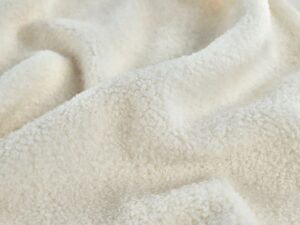
Why Fleece Feels Soft
brushed fleece fabrics create a plush inner surface.
Benefits include:
- Warmth retention
- Soft skin contact
- Comfortable insulation
- Cozy hand feel
These features make fleece popular during colder seasons.
Different Types Of Fleece Fabrics
Several fleece constructions are used in sweatpants production.
Common types include:
- Cotton fleece
- Polyester fleece
- Brushed fleece blends
- Heavyweight fleece
Each construction creates different warmth and softness levels.
Heavyweight Fleece Improves Structure
Heavyweight fleece sweatpants usually provide:
- Better drape
- Premium appearance
- Increased durability
- Stronger warmth retention
However, heavyweight fabrics may feel too warm in hot climates.
Breathability Still Matters
Very thick fleece may reduce airflow.
Professional sweatpants manufacturers often balance:
- Warmth
- Breathability
- Fabric weight
- Flexibility
This balance improves long-term wearing comfort.
What Fit Is Most Comfortable For Men’s Sweatpants?
Fit construction strongly affects movement and overall comfort.
The most comfortable sweatpants for men usually feature relaxed or tapered fits with flexible waistbands and enough leg room for natural movement.
Modern sweatpants combine comfort with more structured silhouettes.
Relaxed Fit Sweatpants
Relaxed fit sweatpants provide:
- Extra thigh space
- Reduced restriction
- Casual appearance
This fit works well for:
- Lounging
- Travel
- Casual daily wear
Tapered Fit Sweatpants
Tapered sweatpants are narrower near the ankle.
Advantages include:
- Cleaner silhouette
- Modern appearance
- Better movement control
Tapered fits remain highly popular in athleisure collections.
Elastic Waistbands Improve Comfort
Comfortable waistbands should provide:
- Flexibility
- Stable fit
- Reduced pressure
Most sweatpants include:
- Elastic waistbands
- Adjustable drawstrings
- Rib waistband construction
Waistband engineering directly affects long-term wear comfort.
Ribbed Cuffs Improve Structure
Ribbed ankle cuffs help maintain garment shape.
Benefits include:
- Better leg positioning
- Improved silhouette
- Reduced fabric movement
This feature is common in modern men’s sweatpants.
What Fabric Weight Is Best For Sweatpants?
Fabric weight changes how sweatpants feel during wear.

Medium-weight fabrics are usually considered the most comfortable for men’s sweatpants because they balance softness, warmth, flexibility, and breathability.
Different climates and product categories require different GSM levels.
Lightweight Sweatpants
Lightweight fabrics usually range between:
- 180–240 GSM
Advantages include:
- Better breathability
- Reduced bulk
- Improved mobility
These sweatpants work well in warm climates.
Medium-Weight Sweatpants
Medium-weight fabrics often range between:
- 260–320 GSM
This range provides:
- Balanced warmth
- Better structure
- Comfortable drape
Many premium sweatpants use medium-weight construction.
Heavyweight Sweatpants
Heavyweight sweatpants usually exceed:
- 350 GSM
Benefits include:
- Strong warmth retention
- Premium feel
- Better durability
Heavyweight sweatpants are common in streetwear and winter collections.
How Does Manufacturing Affect Sweatpants Comfort?
Comfort depends on more than fabric alone.
Sweatpants comfort also depends on sewing quality, pattern development, fabric finishing, and production consistency during manufacturing.
Professional garment manufacturing improves long-term product performance.
Stitching Quality Matters
Poor stitching may cause discomfort and seam failure.
Common sewing methods include:
| Stitch Type | Main Function |
|---|---|
| Overlock Stitch | Seam durability |
| Coverstitch | Hem finishing |
| Flatlock Stitch | Reduced friction |
Clean stitching improves comfort and garment lifespan.
Fabric Finishing Improves Hand Feel
Manufacturers often apply fabric finishing treatments.
Common finishing methods include:
- Brushing
- Silicone washing
- enzyme washing
- Softening treatment
These processes improve fabric softness and surface smoothness.
Pattern Development Improves Wearability
Professional patterns improve:
- Leg movement
- Waist stability
- Fit consistency
- Overall balance
Pattern engineering is especially important in premium sweatpants production.
Quality Control In Sweatpants Manufacturing
Professional factories inspect:
- Fabric defects
- Stitch consistency
- Measurement accuracy
- Shrinkage performance
- Color consistency
At Fusionknits, quality control procedures are integrated throughout apparel production to support stable bulk manufacturing standards.
What Sweatpants Materials Are Most Popular Today?
Consumer preferences continue changing in modern apparel markets.
Cotton blends, French terry fabrics, brushed fleece, and stretch performance knits are currently among the most popular materials for men’s sweatpants.
Modern sweatpants combine comfort, functionality, and fashion appeal.
Athleisure Continues To Influence Sweatpants Design
Many consumers now wear sweatpants beyond home use.
Modern sweatpants are commonly used for:
- Travel
- Fitness
- Casual streetwear
- Remote work
- Daily lifestyle wear
This trend increases demand for versatile fabrics.
Stretch Fabrics Are Growing In Demand
Stretch performance fabrics improve:
- Flexibility
- Recovery
- Mobility
Many premium sweatpants now include elastane or spandex blends.
Sustainable Fabrics Are Becoming More Important
Brands increasingly request:
- Organic cotton
- Recycled polyester
- Eco-friendly dyeing
Sustainable materials continue gaining popularity in global apparel manufacturing.
Conclusion
The comfiest sweatpants for men are usually made from soft cotton blends, French terry, or fleece fabrics with breathable construction, flexible stretch, and balanced fabric weight. Comfort depends on multiple factors, including fabric softness, fit engineering, stitching quality, and garment durability.
At Fusionknits, sweatpants manufacturing focuses on fabric performance, consistent construction, and long-term wear comfort. Choosing the right materials and production methods helps brands create sweatpants that combine comfort, functionality, and modern market appeal.