Many apparel brands focus heavily on cardigan design but overlook one of the most important factors behind product success: material selection. The wrong yarn can lead to pilling, poor shape retention, and customer complaints. The right material can improve comfort, durability, and perceived value.
Cardigans are commonly made from cotton, wool, acrylic, polyester, cashmere, viscose, and various blended yarns. The best material depends on the intended season, target market, price point, and desired performance characteristics.
In our experience producing knitwear for brands across North America, Europe, and Australia, material selection is often the biggest factor affecting cardigan quality, production cost, and consumer satisfaction.
What Materials Are Most Commonly Used for Cardigans?
Many consumers assume all cardigans are made from wool. In reality, manufacturers use a wide range of natural and synthetic fibers.
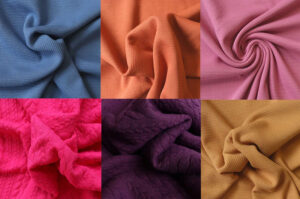
The most common cardigan materials include cotton, wool, acrylic, polyester, viscose, and blended yarns. Each material offers different advantages in terms of comfort, warmth, durability, and cost.
The choice often depends on the market segment the brand wants to target.
Common Cardigan Materials
| Material | Softness | Warmth | Durability | Cost |
|---|---|---|---|---|
| Cotton | High | Moderate | High | Moderate |
| Wool | High | Excellent | High | High |
| Acrylic | Moderate | Good | High | Low |
| Polyester | Moderate | Moderate | Excellent | Low |
| Cashmere | Excellent | Excellent | Moderate | Premium |
| Viscose | High | Moderate | Moderate | Moderate |
Each fiber offers unique benefits that influence the final garment.
Why Material Selection Matters
The material directly affects:
- Comfort
- Warmth
- Weight
- Breathability
- Durability
- Care requirements
- Retail pricing
Choosing the right fiber is one of the most important decisions during product development.
Is Cotton a Good Material for Cardigans?
Cotton remains one of the most widely used cardigan materials worldwide.

Cotton is an excellent choice for cardigans because it offers softness, breathability, durability, and easy maintenance. It performs particularly well in spring, summer, and transitional-season collections.
Many fashion brands prefer cotton because of its versatility.
Benefits of Cotton Cardigans
Cotton provides:
- Natural softness
- Excellent breathability
- Skin-friendly comfort
- Good moisture absorption
- Easy washing and care
These advantages make cotton cardigans suitable for everyday wear.
Popular Cotton Yarn Types
Different cotton yarns create different results.
Combed Cotton
Offers:
- Smoother surface
- Reduced pilling
- Better softness
Organic Cotton
Provides:
- Sustainable appeal
- Premium positioning
- Growing consumer demand
Long-Staple Cotton
Delivers:
- Enhanced durability
- Better yarn strength
- Premium appearance
These yarns are commonly used in higher-end cardigan collections.
Potential Limitations
Cotton cardigans may:
- Provide less insulation than wool
- Stretch if improperly constructed
- Require additional treatments for wrinkle resistance
Despite these limitations, cotton remains one of the safest choices for most apparel brands.
Why Is Wool Popular for Cardigans?
Wool has been used in knitwear for centuries.
Wool remains one of the best cardigan materials because it provides exceptional warmth, natural elasticity, moisture management, and long-term durability.
Many premium cardigan collections rely heavily on wool-based yarns.
Advantages of Wool
Wool naturally offers:
- Superior insulation
- Temperature regulation
- Moisture-wicking capability
- Odor resistance
- Wrinkle resistance
These properties make wool highly desirable for colder climates.
Common Wool Types
Merino Wool
Known for:
- Soft texture
- Fine fibers
- Reduced itchiness
Lambswool
Provides:
- Softness
- Warmth
- Lightweight comfort
Shetland Wool
Offers:
- Excellent durability
- Rustic appearance
- Traditional styling
Each variety serves different market needs.
Challenges of Wool
Wool can also present challenges:
- Higher production cost
- Potential shrinkage
- Special care requirements
- Increased garment weight
These factors must be considered during product planning.
Is Acrylic a Good Alternative to Wool?
Many brands use acrylic to reduce costs while maintaining warmth.
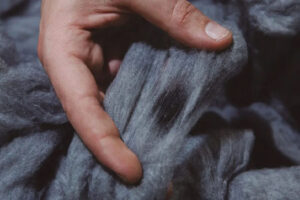
Acrylic is one of the most popular alternatives to wool because it offers good insulation, lower cost, easier maintenance, and excellent color retention.
Acrylic remains especially common in fast-fashion and mid-market collections.
Benefits of Acrylic Cardigans
Advantages include:
- Affordable pricing
- Lightweight construction
- Easy care
- Strong color consistency
- Good wrinkle resistance
These characteristics make acrylic attractive for large-scale production.
Why Brands Choose Acrylic
Many buyers select acrylic because it allows them to:
- Lower retail prices
- Increase profit margins
- Simplify garment care
- Expand color options
This makes acrylic particularly suitable for volume-driven programs.
Potential Drawbacks
Acrylic may:
- Pill more easily
- Feel less natural than cotton or wool
- Retain odors more readily
- Generate static electricity
Quality yarn selection can reduce some of these issues.
What Role Do Synthetic Fibers Play in Modern Cardigans?
Synthetic fibers have become increasingly important in knitwear manufacturing.
Polyester and other synthetic fibers improve durability, shape retention, wrinkle resistance, and production efficiency. They are often blended with natural fibers to enhance overall performance.
Few modern cardigans rely entirely on one fiber.
Benefits of Polyester
Polyester contributes:
- Excellent durability
- Shape stability
- Colorfastness
- Quick drying
These qualities improve garment lifespan.
Nylon Blends
Nylon is frequently added to:
- Increase strength
- Improve abrasion resistance
- Extend garment durability
This is especially useful for premium knitwear.
Modern Blending Strategies
Common blends include:
| Blend | Key Advantage |
|---|---|
| Cotton-Polyester | Comfort and durability |
| Wool-Nylon | Warmth and strength |
| Acrylic-Wool | Cost efficiency |
| Viscose-Polyester | Soft drape and stability |
Blending allows manufacturers to combine the strengths of multiple fibers.
Is Cashmere the Best Material for Premium Cardigans?
Cashmere is often viewed as the luxury standard for knitwear.
Cashmere is one of the most luxurious cardigan materials because it offers exceptional softness, lightweight warmth, and premium market appeal.
Luxury brands frequently use cashmere for high-end collections.
Why Cashmere Commands Premium Prices
Cashmere fibers are:
- Extremely fine
- Difficult to harvest
- Limited in supply
These factors contribute to its premium value.
Advantages of Cashmere
Cashmere provides:
- Superior softness
- Lightweight warmth
- Elegant drape
- Luxury perception
Few materials can match its comfort level.
Challenges of Cashmere
However, cashmere also presents challenges:
- High material costs
- Increased pilling risk
- Delicate maintenance requirements
- Limited durability compared to some blends
For this reason, many brands use cashmere blends rather than pure cashmere.
Why Are Blended Materials Becoming More Popular?
The apparel industry increasingly favors blended yarns.
Blended materials combine the strengths of multiple fibers, allowing brands to improve comfort, durability, performance, and cost efficiency simultaneously.
Many bestselling cardigans today use blended constructions.
Benefits of Fiber Blending
Blending can improve:
- Durability
- Softness
- Stretch recovery
- Shape retention
- Cost control
This creates more balanced products.
Popular Blend Combinations
Cotton-Acrylic
Provides:
- Softness
- Affordability
- Easy maintenance
Wool-Nylon
Offers:
- Warmth
- Strength
- Longevity
Viscose-Polyester
Creates:
- Smooth drape
- Wrinkle resistance
- Consistent appearance
These combinations allow brands to target specific customer needs.
How Should Buyers Choose the Right Cardigan Material?
The best material depends on the intended market and product goals.
Buyers should evaluate climate, customer preferences, retail pricing, durability requirements, and brand positioning before selecting cardigan materials.
Material selection should support the overall collection strategy.
Questions Buyers Should Consider
Before development begins, evaluate:
- Who is the target customer?
- Which season is the garment for?
- What is the target retail price?
- How important is sustainability?
- What level of durability is required?
These answers guide material decisions.
Material Recommendations by Market
| Market Position | Recommended Material |
|---|---|
| Budget | Acrylic blends |
| Mid-Market | Cotton blends |
| Premium | Merino wool |
| Luxury | Cashmere blends |
Matching materials to market expectations improves product success.
Sample Testing Remains Essential
Before bulk production, buyers should always review:
- Fabric swatches
- Knit samples
- Wash-tested garments
- Wear-tested prototypes
Testing helps confirm performance before large-scale manufacturing begins.
Conclusion
Cardigans can be made from a wide variety of materials, including cotton, wool, acrylic, polyester, cashmere, viscose, and blended yarns. Each material offers unique advantages in terms of warmth, comfort, durability, maintenance, and cost. While cotton remains a versatile choice for everyday wear and wool provides exceptional insulation, synthetic fibers and blended constructions have become increasingly popular because they improve performance and production efficiency.
The best cardigan material ultimately depends on the intended customer, seasonal requirements, price point, and brand positioning. Premium collections may benefit from merino wool or cashmere blends, while mass-market programs often achieve better value through cotton blends or acrylic-based constructions. Understanding how each fiber performs allows brands to develop knitwear collections that balance quality, comfort, and profitability.
At Fusionknits, we have found that the most successful cardigan programs rarely rely on a single fiber. Instead, carefully engineered yarn blends often deliver the best combination of softness, durability, appearance, and long-term customer satisfaction, helping brands create knitwear products that remain competitive in today's global apparel market.