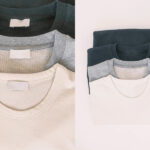
Many hoodies look good when they are brand new, but low-quality fabrics, weak stitching, and poor fit development quickly reduce comfort and durability after repeated washing. True hoodie quality depends on much more than branding or price alone.
The highest quality hoodies usually use heavyweight fleece or French terry fabrics, durable stitching, structured fit development, premium construction, and long-lasting printing or embroidery techniques.
At Fusionknits, hoodie manufacturing focuses heavily on fabric quality, fit engineering, and production consistency. Premium hoodies require careful control of fabric sourcing, sewing construction, garment finishing, and quality inspection.
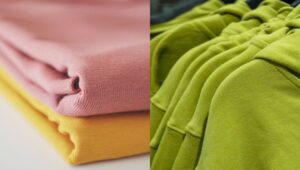
What Defines A High-Quality Hoodie?
Several factors work together to determine hoodie quality.
A high-quality hoodie combines premium fabric, durable construction, balanced fit, stable shape retention, and long-term comfort after repeated wear and washing.
Consumers increasingly evaluate hoodies beyond logo design alone.
Fabric Quality Is The Most Important Factor
The fabric strongly affects:
- Softness
- Warmth
- Durability
- Weight
- Long-term appearance
Premium hoodies usually use better yarn quality and heavier fabrics.
Construction Determines Durability
Good hoodie construction improves:
- Seam strength
- Shape retention
- Overall lifespan
Poor sewing often leads to:
- Twisted seams
- Loose stitching
- Fabric distortion
Fit Development Matters More Today
Modern hoodies require balanced:
- Shoulder width
- Body length
- Sleeve volume
- Hood structure
Poor fit can reduce the perceived quality of even expensive products.
Finishing Processes Improve Product Feel
Premium hoodies often include:
- garment washing
- enzyme washing
- silicone finishing
- Brushing treatments
These processes improve softness and surface appearance.
At Fusionknits, fabric finishing and fit consistency are important parts of premium hoodie manufacturing.
What Fabrics Are Used In The Best Hoodies?
Fabric selection is one of the biggest quality indicators.

The best hoodies usually use heavyweight fleece, French terry, organic cotton, or cotton-polyester blends with stable structure and soft hand feel.
Different fabrics create different performance characteristics.
Heavyweight Cotton Fleece Feels More Premium
Heavyweight fleece provides:
- Better warmth
- Stronger drape
- Structured appearance
Premium streetwear brands often use:
- 350–500 GSM fleece fabrics
Higher GSM usually creates a thicker and more durable hoodie.
French Terry Offers Balanced Comfort
French terry includes:
- Smooth exterior surface
- Looped inner texture
Advantages include:
- Breathability
- Lightweight comfort
- Versatile layering
French terry works well for year-round hoodies.
Organic Cotton Is Increasingly Popular
Many premium brands now prefer organic cotton because it offers:
- Softer texture
- Sustainable sourcing
- Better environmental positioning
Organic fabrics often appeal to higher-end consumers.
Cotton-Poly Blends Improve Durability
Blended fabrics improve:
| Feature | Benefit |
|---|---|
| Shape retention | Reduced stretching |
| Durability | Longer lifespan |
| Shrink resistance | Better wash stability |
| Wrinkle resistance | Cleaner appearance |
Many premium hoodies use balanced cotton-poly blends.
Why Does Hoodie Weight Matter?
Fabric weight strongly affects both comfort and perceived value.
Higher-quality hoodies often use medium to heavyweight fabrics because they provide better structure, durability, and warmth retention.
Consumers increasingly associate heavyweight hoodies with premium quality.
Lightweight Hoodies Feel More Casual
Lightweight hoodies usually range between:
- 220–280 GSM
These hoodies work well for:
- Layering
- Spring weather
- Lightweight casualwear
However, they may feel less substantial.
Medium-Weight Hoodies Offer More Versatility
Medium-weight fabrics often range between:
- 300–360 GSM
This category balances:
- Warmth
- Breathability
- Comfort
- Structure
Many premium lifestyle hoodies use this range.
Heavyweight Hoodies Dominate Streetwear
Heavyweight hoodies commonly exceed:
- 400 GSM
Advantages include:
- Premium drape
- Better insulation
- Strong silhouette
Oversized streetwear collections often use heavyweight fleece fabrics.
Fabric Weight Affects Production Cost
Heavier fabrics require:
- More yarn
- More fabric consumption
- Stronger stitching support
This increases manufacturing cost significantly.
How Important Is Stitching In Hoodie Quality?
Construction quality strongly affects durability.
High-quality stitching improves seam strength, fit stability, shape retention, and long-term garment lifespan.
Poor stitching is one of the fastest ways a hoodie loses quality perception.
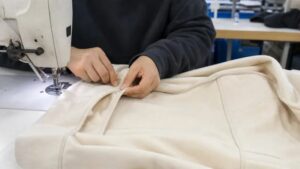
Double-Needle Stitching Improves Durability
Premium hoodies often use:
- Double-needle seams
- Reinforced stitching
This improves:
- Structural stability
- Long-term wear resistance
Rib Cuffs And Waistbands Need Strong Sewing
Weak rib attachment often causes:
- Stretching
- Shape distortion
- Loose cuffs
Premium construction improves long-term fit consistency.
Hood Construction Requires Precision
High-quality hoods should provide:
- Balanced structure
- Symmetrical shape
- Stable seam alignment
Poor hood construction reduces overall appearance.
Flat And Clean Seams Improve Comfort
Professional sewing helps reduce:
- Skin irritation
- Fabric twisting
- Uneven tension
At Fusionknits, hoodie sewing quality is controlled through inline production inspections and final garment evaluation.
Why Do Oversized Hoodies Feel More Premium?
Oversized silhouettes dominate modern streetwear markets.
Oversized hoodies often feel more premium because they use heavier fabrics, structured patterns, and fashion-focused proportions that create stronger visual impact.
Fit trends strongly influence perceived product quality.
Oversized Fits Improve Drape
Relaxed silhouettes allow heavyweight fabrics to create:
- Better shape
- Cleaner folds
- More luxurious appearance
This is highly popular in streetwear collections.
Larger Patterns Require Better Engineering
Oversized hoodies still need balanced:
- Shoulder positioning
- Sleeve volume
- Body proportion
Poor oversized patterns may appear sloppy instead of premium.
Heavy Fabrics Work Better With Oversized Fits
Structured heavyweight fabrics support:
- Strong silhouettes
- Better layering
- Premium feel
Thin fabrics often collapse visually in oversized designs.
Modern Consumers Prefer Relaxed Fits
Many consumers now prioritize:
- Comfort
- Layering flexibility
- Casual styling
Oversized hoodies align closely with these preferences.
What Makes Premium Hoodie Printing Different?
Decoration quality affects overall garment perception.

Premium hoodie printing uses durable techniques, stable ink application, and high-quality finishing to maintain appearance after repeated washing.
Low-quality graphics often crack or fade quickly.
Screen Printing Remains Popular
Screen printing provides:
- Strong color saturation
- Good durability
- Cost efficiency in bulk production
Many streetwear brands rely heavily on screen printing.
Puff Printing Adds Texture
Puff printing creates:
- Raised graphics
- Dimensional appearance
- Fashion-focused texture
This technique is increasingly common in premium streetwear.
Embroidery Feels More Luxurious
Embroidery often creates:
- Cleaner branding
- Better texture
- Higher perceived value
However, embroidery increases production complexity.
Print Placement Also Matters
Premium brands carefully position graphics to maintain:
- Visual balance
- Fit harmony
- Better styling versatility
Good design improves overall garment quality perception.
How Does Garment Washing Improve Hoodie Quality?
Washing techniques strongly affect softness and appearance.
Garment washing improves hoodie comfort, reduces shrinkage risk, softens fabric texture, and creates vintage or worn-in aesthetics.
Many premium hoodies use advanced washing techniques.
Enzyme Washing Softens Fabric
Enzyme washing helps:
- Reduce fabric stiffness
- Improve hand feel
- Create smoother texture
This treatment is common in premium casualwear.
Garment Dyeing Creates Unique Color Depth
Garment dyeing often produces:
- Richer color appearance
- Vintage aesthetics
- Soft faded effects
This process is highly popular in streetwear.
Silicone Washing Improves Smoothness
Silicone finishing creates:
- Softer fabric surface
- Reduced friction
- Enhanced comfort
This improves luxury feel significantly.
Washing Also Reduces Shrinkage
Pre-washed garments maintain:
- Better size stability
- More consistent fit
This improves long-term customer satisfaction.
At Fusionknits, garment washing and finishing treatments are adjusted based on hoodie style and fabric composition.
How Do Manufacturers Control Hoodie Quality?
Consistent production systems are essential for premium hoodies.
Professional hoodie manufacturers control quality through fabric testing, sewing inspection, fit evaluation, shrinkage testing, and finishing control.
Quality control improves long-term product reliability.
Fabric Testing Happens Before Production
Factories commonly test:
- Shrinkage
- Pilling resistance
- Color fastness
- Fabric weight consistency
Material stability is critical.
Inline Inspection Reduces Production Errors
Production teams inspect:
- Stitch consistency
- Panel alignment
- Measurement accuracy
This reduces defect rates during bulk production.
Fit Testing Ensures Consistency
Professional manufacturers evaluate:
- Sleeve proportion
- Body balance
- Hood structure
Fit consistency strongly affects premium perception.
Final Inspection Protects Product Quality
Before shipment, factories usually inspect:
| Inspection Area | Main Purpose |
|---|---|
| Printing | Durability and alignment |
| Stitching | Structural quality |
| Measurements | Size accuracy |
| Fabric | Surface consistency |
Structured quality systems improve brand reputation.
What Hoodie Trends Are Influencing Premium Manufacturing?
Consumer expectations continue evolving.
Modern premium hoodie trends focus on heavyweight fleece, oversized silhouettes, garment washing, sustainable materials, and minimalist branding.
Streetwear strongly influences global hoodie development.
Heavyweight Streetwear Continues Growing
Consumers increasingly prefer:
- Thick fleece fabrics
- Structured silhouettes
- Premium drape
Heavyweight hoodies dominate many fashion markets.
Minimal Branding Is Becoming More Popular
Many modern consumers prefer:
- Small logos
- Clean graphics
- Neutral colors
Minimalism creates better long-term wearability.
Sustainable Materials Are Expanding
Brands increasingly request:
- Organic cotton
- Recycled polyester
- Eco-friendly dyeing
Sustainability now affects purchasing decisions strongly.
Washed Vintage Finishes Remain Trendy
Vintage-inspired hoodies commonly use:
- Faded dye effects
- Distressed textures
- Garment washing
These finishes create more unique visual identity.
Conclusion
The highest quality hoodies combine premium heavyweight fabrics, strong stitching construction, balanced fit development, durable decoration methods, and professional garment finishing. Fabric quality, construction consistency, and long-term comfort matter far more than branding alone.
At Fusionknits, premium hoodie manufacturing focuses on fabric performance, oversized fit engineering, garment washing, and strict quality control systems. Careful material selection and professional construction help brands create hoodies with stronger durability, comfort, and long-term market value.