Many new yoga clothing brands focus heavily on logos and social media marketing, but underestimate the importance of fabric performance, fit development, supplier reliability, and long-term product consistency. Without proper planning, production problems and inventory pressure can quickly slow business growth.
Starting a yoga clothing brand usually involves market positioning, product development, fabric sourcing, manufacturer selection, branding, sampling, inventory planning, and marketing strategy. High-quality fabrics, functional fit, and reliable manufacturing are especially important in yoga apparel production.
At Fusionknits, yoga apparel manufacturing focuses heavily on fabric stretch, moisture management, comfort, and fit engineering. Modern yoga clothing requires both technical performance and fashion versatility.
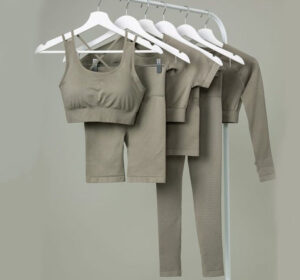
Why Is The Yoga Clothing Market Growing So Fast?
Yoga apparel has expanded far beyond traditional fitness wear.
The yoga clothing market continues growing because consumers increasingly prioritize comfort, wellness, athleisure fashion, and versatile activewear suitable for both exercise and daily wear.
Yoga clothing now serves both performance and lifestyle markets.
Athleisure Changed Consumer Habits
Many consumers now wear yoga apparel for:
- Daily errands
- Travel
- Casual styling
- Remote work
- Fitness activities
This greatly expanded the activewear market.
Comfort Has Become A Major Fashion Trend
Modern consumers increasingly prioritize:
- Soft fabrics
- Stretch comfort
- Relaxed movement
- Lightweight construction
Yoga apparel naturally fits these preferences.
Social Media Increased Activewear Demand
Platforms like:
- TikTok
- YouTube
helped popularize:
- Wellness culture
- Fitness routines
- Athleisure styling
This increased visibility for yoga brands.
Sustainable Fashion Is Influencing Yoga Apparel
Many yoga consumers also care about:
- Eco-friendly fabrics
- Ethical production
- Minimalist fashion
Sustainability now strongly affects purchasing decisions.
What Products Should A New Yoga Brand Start With?
Starting with focused products reduces operational risk.

Most new yoga clothing brands begin with leggings, sports bras, shorts, tank tops, and lightweight outerwear because these products have stable market demand and strong athleisure appeal.
Simple product categories are easier to manage during early growth stages.
Leggings Remain The Core Product
Yoga leggings are one of the most important activewear categories.
Consumers expect:
- High stretch
- Squat-proof fabrics
- Moisture management
- Comfortable waistbands
Leggings often become the main identity product for yoga brands.
Sports Bras Support Collection Development
Sports bras help brands create:
- Coordinated sets
- Higher average order value
- Stronger product collections
Matching activewear sets remain highly popular.
Shorts And Tank Tops Expand Seasonal Sales
Lightweight products improve:
- Summer collections
- Layering versatility
- Lower production costs
Simple products help reduce inventory pressure.
Avoid Launching Too Many Products Early
Too many SKUs increase:
- Inventory complexity
- Sampling costs
- Production management difficulty
Focused collections are easier to scale.
At Fusionknits, many startup activewear brands begin with core yoga categories before expanding into larger collections.
What Fabrics Are Best For Yoga Clothing?
Fabric selection is one of the most important parts of yoga apparel manufacturing.
The best yoga clothing fabrics usually include nylon-spandex blends, polyester-spandex blends, and brushed technical knits because they provide stretch, moisture management, softness, and shape retention.
Performance fabrics directly affect comfort and movement.
Nylon-Spandex Fabrics Feel Softer
Nylon-spandex blends often provide:
- Smooth hand feel
- Better stretch recovery
- Premium appearance
Many premium yoga brands prefer nylon-spandex fabrics.
Polyester Blends Improve Durability
Polyester-spandex fabrics offer:
- Moisture-wicking performance
- Lightweight construction
- Strong durability
These fabrics are widely used in commercial activewear.
Four-Way Stretch Is Essential
Yoga apparel requires flexibility during movement.
Four-way stretch helps improve:
- Mobility
- Comfort
- Shape retention
- Fit stability
Stretch recovery is critical in leggings and sports bras.
Brushed Fabrics Are Becoming More Popular
Brushed yoga fabrics create:
- Softer texture
- Matte appearance
- Premium comfort
These fabrics are highly popular in modern athleisure collections.
Why Is Fit Development So Important In Yoga Apparel?
Fit strongly affects comfort and performance.
Yoga clothing requires precise fit development to support movement, flexibility, body contouring, and long-term comfort during exercise.
Poor fit can quickly damage brand reputation.
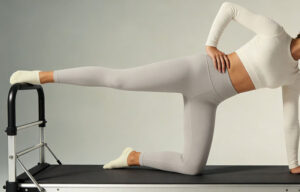
Leggings Require Careful Pattern Engineering
Yoga leggings must balance:
- Compression
- Stretch
- Waist stability
- Mobility
Incorrect fit may create rolling waistbands or transparency problems.
Sports Bras Need Structural Balance
Sports bras should provide:
- Support
- Flexibility
- Comfort
- Proper tension distribution
Different activity levels require different support structures.
Seam Placement Affects Comfort
Poor seam positioning may create:
- Friction
- Irritation
- Restricted movement
Flatlock stitching is commonly used in yoga apparel manufacturing.
Size Consistency Is Critical
Consumers expect activewear sizing to remain consistent across:
| Garment Area | Key Fit Requirement |
|---|---|
| Waist | Stable support |
| Hips | Stretch comfort |
| Inseam | Mobility |
| Bust | Secure fit |
At Fusionknits, fit testing and pattern adjustments are important parts of yoga apparel development.
Should You Use Private Label Or OEM Manufacturing?
Manufacturing strategy affects startup cost and product uniqueness.
Private label vs OEM manufacturing affects cost, customization, and brand differentiation. Private label manufacturing is usually more affordable for new yoga brands, while OEM manufacturing provides greater customization and stronger brand differentiation.
Both production models are common in activewear manufacturing.
Private Label Is Faster And Simpler
Private label products use existing garment templates.
Brands usually customize:
- Logos
- Labels
- Packaging
- Colorways
Advantages include:
- Lower MOQs
- Faster production
- Lower development cost
This model works well for startup brands.
OEM Manufacturing Allows Full Customization
OEM production supports:
- Custom patterns
- Unique fabrics
- Specialized construction
- Brand-specific fit development
OEM products create stronger uniqueness but require larger investment.
Technical Yoga Apparel Often Needs OEM Development
Advanced products may require:
- Compression fabrics
- Seamless knitting
- Custom waistband engineering
These products usually need more technical development.
Hybrid Strategies Are Common
Many brands start with:
- Private label basics
- OEM premium collections later
This helps reduce early-stage financial pressure.
How Much Does It Cost To Start A Yoga Clothing Brand?
Startup costs vary depending on production scale and customization.

Starting a yoga clothing brand may cost anywhere from a few thousand dollars to much larger investments depending on product complexity, inventory quantity, branding, and marketing strategy.
Careful planning helps control financial risk.
Manufacturing Is One Of The Largest Costs
Production cost depends on:
- Fabric quality
- Garment complexity
- Order quantity
- Printing and trims
Technical activewear often costs more than casual apparel.
Sampling And Product Development Cost Money
Before production, brands usually pay for:
- Samples
- Pattern development
- Fabric sourcing
- Fit revisions
Sampling is critical for quality evaluation.
Branding And Ecommerce Setup Matter
Startup expenses often include:
- Logo design
- Shopify setup
- Product photography
- Social media marketing
Digital presentation strongly affects brand perception.
Inventory Management Is Important
Overstock can create:
- Cash flow pressure
- Storage cost
- Discounting problems
Many successful startups begin with small focused collections.
How Important Is Branding In Yoga Apparel?
Brand identity strongly affects consumer loyalty.
Strong branding helps yoga clothing brands build emotional connection, product recognition, and long-term market positioning.
Yoga consumers often value lifestyle identity as much as product functionality.
Minimalist Branding Is Popular
Many yoga brands use:
- Neutral color palettes
- Clean logos
- Simple packaging
- Minimal graphics
Minimal aesthetics remain highly popular in activewear.
Wellness Culture Influences Branding
Successful yoga brands often connect with themes such as:
- Balance
- Mindfulness
- Sustainability
- Healthy lifestyle
Brand identity extends beyond clothing itself.
Community Building Improves Loyalty
Many yoga brands build communities through:
- Social media
- Fitness instructors
- Wellness events
- Influencer partnerships
Strong communities increase customer retention.
Product Photography Matters
Professional visuals improve:
- Ecommerce conversion
- Brand trust
- Product perception
Activewear marketing relies heavily on visual presentation.
At Fusionknits, many activewear brands increasingly request clean minimalist product aesthetics for yoga apparel collections.
What Common Mistakes Should New Yoga Brands Avoid?
Many startup brands face avoidable production problems.
Common mistakes include poor fabric selection, weak fit development, over-ordering inventory, choosing suppliers only by price, and unclear brand positioning.
Careful planning improves long-term business stability.
Low-Quality Fabric Hurts Brand Reputation
Poor fabrics may cause:
- Transparency issues
- Weak stretch recovery
- Pilling
- Color fading
Fabric testing is essential in activewear manufacturing.
Poor Fit Creates High Return Rates
Unstable waistbands or incorrect sizing quickly reduce customer trust.
Fit consistency is especially important in yoga leggings.
Too Many Product Categories Increase Risk
Large product ranges create:
- Inventory complexity
- Sampling costs
- Production pressure
Focused collections are easier to manage.
Weak Supplier Communication Causes Delays
Reliable manufacturers help improve:
- Production consistency
- Delivery schedules
- Technical problem solving
Strong communication reduces operational mistakes.
How Can Manufacturers Help Yoga Clothing Brands Grow?
Experienced manufacturers often provide more than production alone.
Professional activewear manufacturers help yoga brands with fabric sourcing, technical development, sampling, fit engineering, and quality control support.
Strong supplier relationships improve long-term scalability.
Fabric Recommendations Improve Product Quality
Manufacturers help brands choose fabrics based on:
- Performance goals
- Pricing targets
- Market positioning
Proper material selection improves competitiveness.
Technical Guidance Reduces Development Errors
Experienced factories help evaluate:
- Pattern balance
- Seam placement
- Stretch recovery
- Construction methods
This improves product consistency.
Sampling Helps Validate Product Quality
Sampling allows brands to test:
- Comfort
- Fit
- Fabric feel
- Branding details
This reduces costly bulk production mistakes.
Long-Term Partnerships Improve Stability
Reliable suppliers support:
- Consistent quality
- Faster communication
- Better production planning
At Fusionknits, long-term activewear manufacturing cooperation focuses on fabric performance, fit development, and scalable production management.
Conclusion
Starting a yoga clothing brand requires much more than attractive designs and social media marketing. Fabric performance, fit engineering, supplier reliability, and consistent manufacturing quality all play major roles in building a successful activewear business.
At Fusionknits, yoga apparel manufacturing focuses on stretch performance, technical fabric quality, and long-term product consistency. Careful product planning, professional development support, and strong manufacturing management help yoga brands create competitive collections with stronger comfort, durability, and market appeal.