
In global trade, maritime shipping plays a crucial role, with a large proportion of international goods being transported through seaports. As the world’s largest manufacturing country, China have its port system to connect production hubs with global markets. Today, several Chinese ports are ranked among the busiest and most important container ports in the world, handling massive volumes of exports every day.
If you are shipping goods from or to China, understanding the country’s port system is essential for smooth international trade. China has a coastline of over 18,000 kilometers and more than 150 ports, but only a small number of major ports handle the majority of global export shipments.In addition, port selection can also affect shipping costs, as larger and more developed ports generally offer more competitive freight rates and higher shipping efficiency.
In this article, we will focus on the most important Chinese ports used in international trade . We will introduce the key ports in both southern and northern China, organized by geographic location from north to south. Since many of the largest and busiest ports are located in southern China, we will start with the southern port regions first.
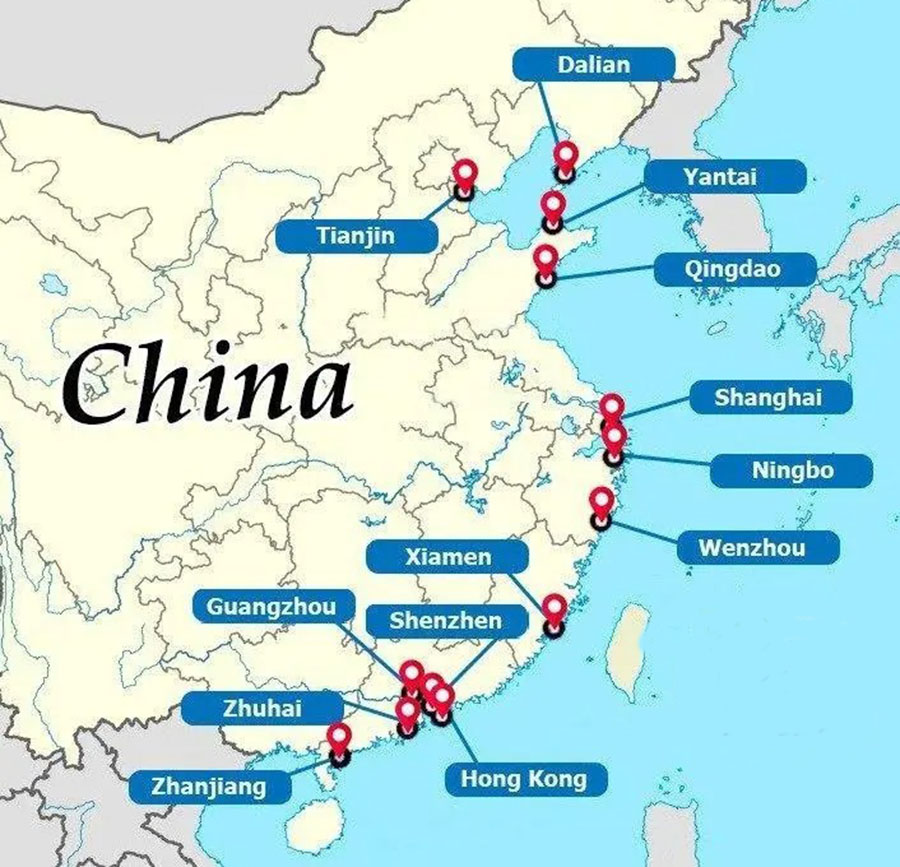
Major Ports in Eastern China
Eastern China is the most important export region in China’s maritime trade system, especially for manufacturing industries such as apparel, textiles, machinery, and consumer goods. This region is home to some of the world’s largest and most efficient ports, which provide strong global connectivity and high-frequency shipping routes.
1.Shanghai Port
Shanghai Port is the largest and busiest container port in the world, holding the top global ranking for many consecutive years. It plays a central role in China’s international trade due to its strategic location at the mouth of the Yangtze River, connecting inland China with global shipping routes.
The port has established trade connections with more than 500 ports across over 200 countries and regions, supported by more than 80 international shipping routes. This makes Shanghai one of the most globally connected ports in the world.
Shanghai Port covers a vast water area and consists of multiple major operational zones, including Huangpu, Yangtze River area, Hangzhou Bay, and Yangshan Deep-Water Port. Among them, Yangshan Deep-Water Port is particularly important for large container vessels due to its deep-water capacity.
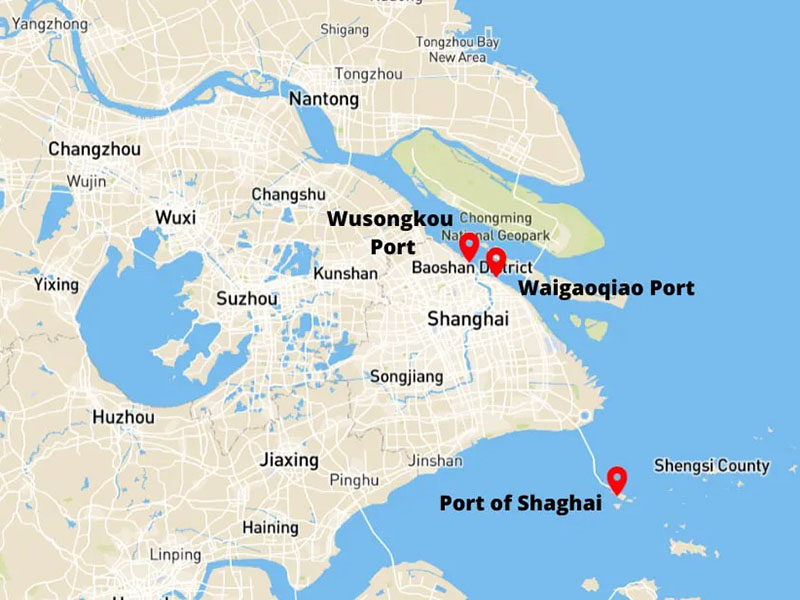
From a logistics perspective, Shanghai Port benefits greatly from its surrounding industrial base in Jiangsu and Zhejiang provinces, making it a key export gateway for manufacturing clusters. Goods such as apparel, textiles, machinery, steel, and construction materials are frequently shipped through this port.
For international buyers, Shanghai Port offers high shipping frequency, stable international routes, and strong consolidation capability, making it one of the most reliable ports for large-scale export operations.
2.Ningbo-Zhoushan Port
Ningbo-Zhoushan Port is one of the most important deep-water ports in Eastern China and plays a key role in global container shipping. It is widely recognized for its strong efficiency in handling bulk cargo and containerized shipments, making it a major alternative to Shanghai Port for export operations.
Located in Zhejiang Province, Ningbo Port is closely connected to one of China’s most developed manufacturing regions, especially in industries such as textiles, apparel, electrical goods, and machinery. This strong industrial base ensures a stable and continuous export volume throughout the year.
Ningbo-Zhoushan Port is known for its excellent natural deep-water conditions, which allow large vessels to dock directly without complex navigation constraints. This makes it particularly suitable for high-volume international shipping and long-distance trade routes, including Europe, North America, and Southeast Asia.
In practical apparel sourcing, many factories in Zhejiang prefer Ningbo Port due to its competitive freight rates, efficient customs processing, and lower congestion compared to Shanghai during peak seasons. It is often used for both full container load (FCL) and consolidated shipments, offering flexibility for different order sizes.
3.Shenzhen Port
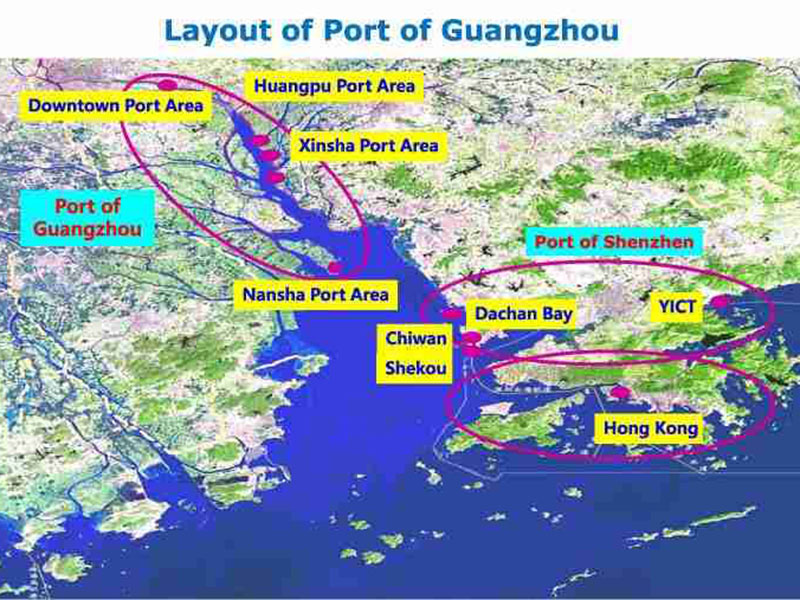
Shenzhen Port is one of the most important export hubs in Southern China and a core gateway for the Pearl River Delta manufacturing region. It includes major terminals such as Yantian, Shekou, and Chiwan, with Yantian Port being especially well known for handling large-volume container shipments to major markets such as the United States and Europe.
Due to its strategic location close to key garment manufacturing cities like Dongguan, Guangzhou, and Zhongshan, Shenzhen Port plays a central role in China’s apparel export supply chain. A large number of knitwear, T-shirts, hoodies, and fashion apparel shipments are consolidated in this region before being exported worldwide. Its proximity to factories significantly reduces inland transportation time and cost, making it highly efficient for export operations.
In practical trade operations, Yantian Port is typically preferred for full container load (FCL) shipments due to its deep-water capability and high efficiency for large vessels. Meanwhile, Shekou and Chiwan terminals provide more flexible options for different carriers, consolidation shipments (LCL), and diversified routing needs.
Shenzhen Port is widely recognized for its high efficiency, stable shipping schedules, strong international connectivity, and excellent support for large-scale apparel export operations, making it one of the most important ports in global garment trade.
4.Guangzhou Port
Guangzhou Port, particularly the Nansha Port area, is one of the most important comprehensive shipping hubs in Southern China. It plays a key role in supporting the Guangdong manufacturing base and serves as a major export gateway for industries such as apparel, textiles, electronics, and light industrial goods.
Compared with Shenzhen Port, Guangzhou Port often provides more flexible and cost-effective shipping solutions, especially for mid-sized and small-to-medium apparel manufacturers in the Pearl River Delta region. Because of its strong inland transportation network, goods from cities like Dongguan, Foshan, and Zhongshan can be efficiently transported to Guangzhou with relatively optimized logistics costs.
Guangzhou Port has developed advanced container handling systems and deep-water terminal capacity, allowing it to handle both full container load (FCL) and consolidated shipments (LCL). It also maintains stable international shipping routes to major markets such as Europe, North America, Southeast Asia, and the Middle East.
In real apparel trade operations, many garment manufacturers choose Guangzhou Port when they need a balance between shipping cost and operational efficiency. Nansha Port in particular has become increasingly important in recent years due to its modern automated facilities, improved berth capacity, and ability to handle large vessels, making it a strong alternative to Shenzhen for export consolidation.
5.Hong Kong Port
Hong Kong Port is one of the world’s most established international shipping hubs and plays a unique and strategic role in global trade. Although it is geographically close to Shenzhen and the Pearl River Delta manufacturing base, it operates under a separate customs, legal, and logistics system, which makes it an important international transshipment center for global cargo flow.
Hong Kong Port is well known for its highly developed logistics infrastructure, efficient terminal operations, and strong international connectivity. It offers access to a wide range of global shipping lines and airline cargo networks, making it suitable for time-sensitive and high-value shipments. In apparel trade, it is often used for premium fashion goods, samples, or shipments requiring flexible routing and faster customs processing.
Another key advantage of Hong Kong Port is its strong capability in value-added logistics services, such as consolidation, re-export, warehousing, and cross-border distribution. This makes it an important hub for companies managing complex supply chains across multiple countries or sourcing regions.
However, compared with mainland ports such as Shenzhen and Guangzhou, Hong Kong Port generally has higher handling and operational costs, which makes it less commonly used for large-scale, cost-sensitive apparel export shipments. Instead, it is typically selected for specialized logistics strategies where flexibility, service quality, and international connectivity are more important than cost efficiency.
6.Xiamen Port
Xiamen Port is an important export gateway in Fujian Province and plays a key role in connecting southeastern China with global trade routes. It is especially well developed in industries such as textiles, footwear, garments, and light industrial manufacturing, making it a significant port for export-oriented production in the region.
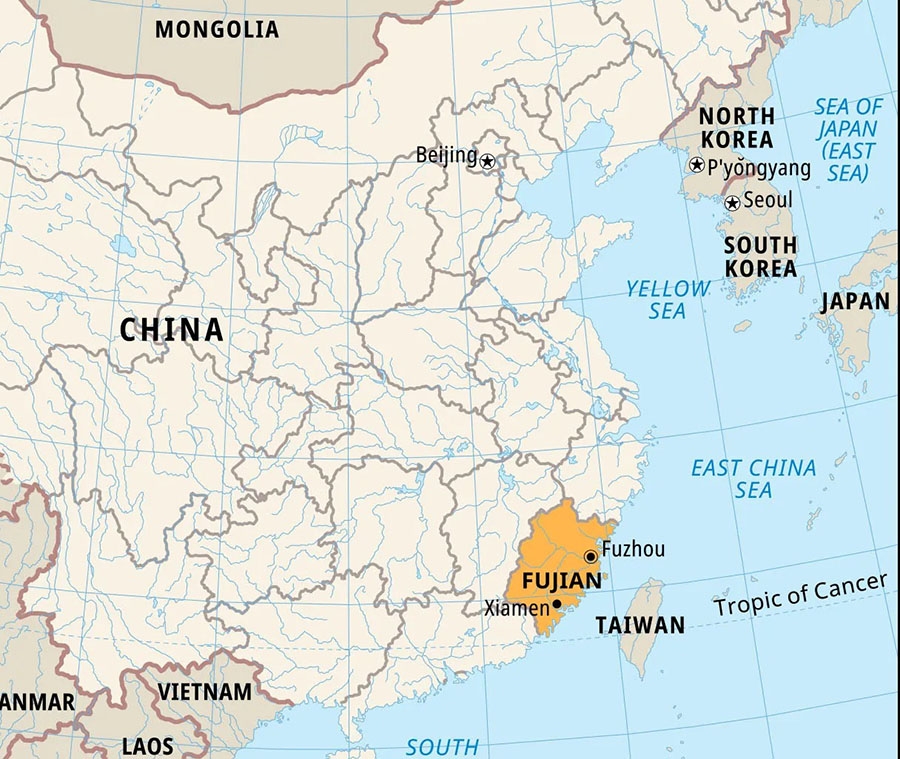
The port has strong container handling capacity and well-established international shipping routes covering major destinations in Southeast Asia, Europe, North America, and the Middle East. Its stable sailing schedules and efficient customs processing make it a reliable option for continuous export operations, especially for medium-volume shipments.
Due to its strategic coastal location, Xiamen Port also serves as a regional logistics hub for surrounding industrial zones in Fujian and neighboring provinces. It supports both full container load (FCL) and consolidated shipments (LCL), offering flexibility for different order sizes in apparel trade.
For apparel exporters, Xiamen Port is often chosen as a balanced option between cost efficiency and operational stability, making it particularly suitable for medium-scale manufacturing orders that require consistent international shipping performance.
7.Fuzhou Port
Fuzhou Port is an important coastal port in Fujian Province and plays a supportive role in China’s southeastern export network. It mainly serves the regional manufacturing base around Fuzhou and surrounding industrial zones, contributing to the export of light industrial goods, textiles, and general consumer products.
Although its scale is smaller compared to major ports like Xiamen or Shenzhen, Fuzhou Port still provides stable container handling services and plays a complementary role in managing export volume from Fujian Province. It helps distribute shipping demand and supports local factories that require more flexible or nearby port access.
Fuzhou Port’s shipping routes are primarily focused on Asia-Pacific markets, including Southeast Asia and nearby regional trade partners. In recent years, its international connectivity has gradually improved, with expanded access to additional global shipping lanes, making it more relevant for growing export demand.
In practical trade operations, Fuzhou Port is often used as an alternative or supplementary port when larger ports experience congestion or when factories prioritize shorter inland transportation distances. It provides a practical and flexible option for regional exporters in southeastern China.
8.Beibu Gulf Ports (Qinzhou, Fangchenggang, Beihai)
The Beibu Gulf port cluster, located in Guangxi Province, is an emerging international shipping hub focused on trade with Southeast Asia. It includes Qinzhou Port, Fangchenggang Port, and Beihai Port.
These ports are strategically important for connecting China with ASEAN markets through shorter sea routes. They are increasingly used for export-oriented manufacturing in inland China, offering competitive logistics costs and growing international shipping capacity.
In recent years, Beibu Gulf ports have developed rapidly, becoming an important supplement to traditional coastal ports, especially for industries shifting production toward western and southern inland regions.
Major Ports in Northern China
Northern China also plays an important role in the country’s export system, especially for industries located in the Beijing-Tianjin-Hebei region, Shandong Peninsula, and Northeast China. Compared with southern ports, northern ports often serve heavy industries, agricultural products, and regional manufacturing clusters. However, they also handle a significant volume of containerized cargo for international trade, including apparel and consumer goods.
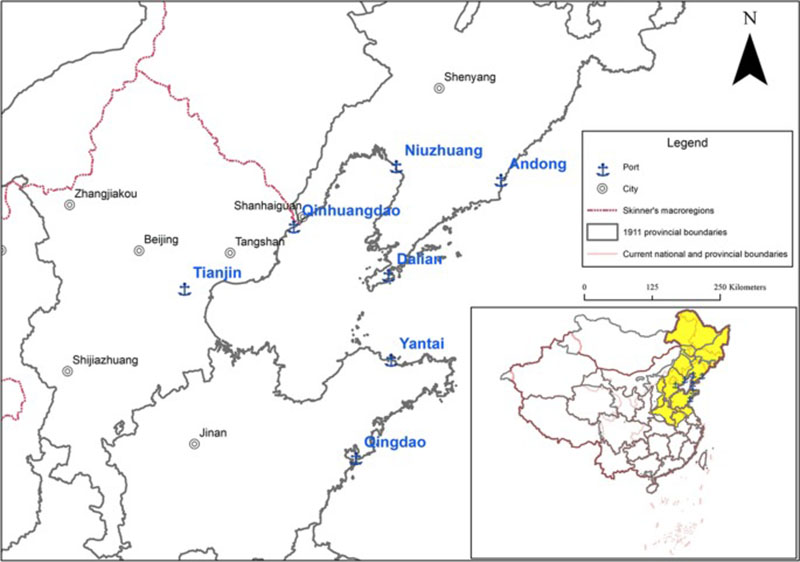
9.Tianjin Port
Tianjin Port is the largest port in Northern China and serves as the primary maritime gateway for the Beijing–Tianjin–Hebei economic region. It is one of China’s most comprehensive and strategically important ports, integrating container shipping, bulk cargo handling, and energy logistics into a single large-scale port system.
Due to its proximity to Beijing, Tianjin Port plays a critical role in supporting northern China’s international trade activities. It provides well-established shipping routes to major global markets including Europe, North America, East Asia, and the Middle East. With its advanced deep-water terminals and strong container handling capacity, it is capable of accommodating large vessels and high-volume export operations.
Tianjin Port is also closely connected to northern manufacturing and industrial clusters, making it an important hub for machinery, automotive parts, steel products, and general industrial exports. Compared with southern ports, its shipping network is more focused on industrial cargo rather than lightweight consumer goods such as apparel.
In real trade operations, Tianjin Port is often used for large-scale shipments and consolidated export cargo from northern China. While it is not as dominant in apparel export as ports like Shenzhen or Ningbo, it still provides stable, reliable, and cost-efficient shipping solutions for factories located in northern regions.
10.Qingdao Port
Qingdao Port is one of the most important ports in the Shandong Peninsula and a major international shipping hub in Northern China. It is widely recognized for its high efficiency, strong container throughput, and advanced automation systems, making it one of the most modernized ports in China.
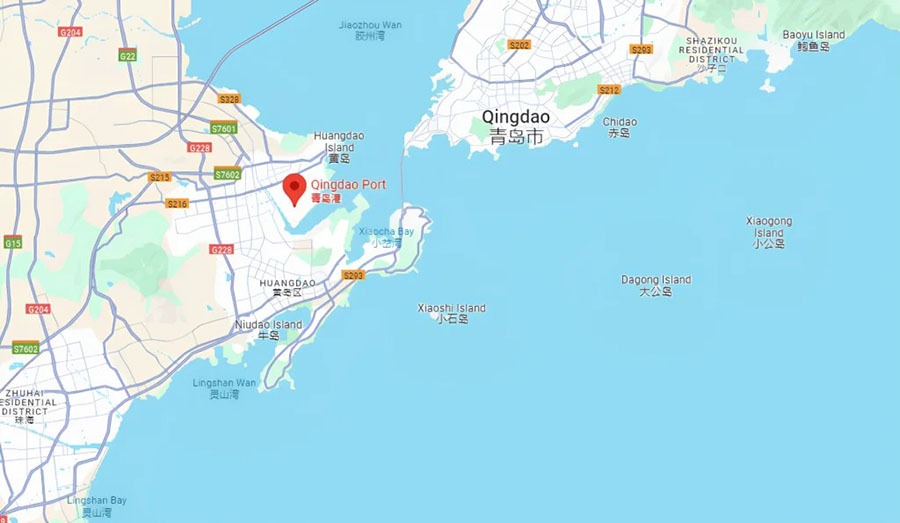
Qingdao has established trade connections with more than 700 ports worldwide, giving it a strong global logistics network. It plays a key role in northern China’s export structure, especially for industries such as textiles, apparel, machinery, rubber products, chemicals, and agricultural goods. Its diversified cargo handling capacity makes it a comprehensive export hub rather than a single-industry port.
From an apparel trade perspective, Qingdao Port is commonly used by factories in Shandong Province and surrounding industrial regions. It is valued for its relatively competitive freight rates, stable shipping schedules, and efficient customs clearance processes. These advantages make it a reliable option for both regular export cycles and seasonal bulk shipments.
In addition, Qingdao Port offers strong consolidation services and flexible container handling capabilities, supporting both full container load (FCL) and less-than-container load (LCL) shipments. This flexibility makes it suitable for different order sizes and supply chain strategies in international apparel sourcing.
11.Dalian Port
Dalian Port is an important logistics hub in Northeast China and serves as a key maritime gateway for Liaoning Province and the surrounding industrial regions. Due to its strategic geographic position, it has a natural advantage in trade with Northeast Asian markets such as Japan, South Korea, and Russia, making it an important regional export channel.
The port handles a diversified range of cargo, including container shipments, petroleum, bulk commodities, and general industrial goods. This mixed cargo structure allows Dalian Port to support both energy-related logistics and manufacturing exports, contributing to the overall trade development of Northeast China.
From an apparel and light manufacturing perspective, Dalian Port plays a more supporting role compared to major eastern and southern ports. However, it remains important for factories located in Northeast China that rely on nearby export routes to reduce inland transportation costs and improve shipping efficiency.
In practice, Dalian Port is often used for regional and short-to-medium distance international shipping, particularly to nearby markets such as Japan and South Korea. Its cost and transit time advantages make it suitable for exporters prioritizing geographic proximity and stable regional logistics channels.
12.Yingkou Port
Yingkou Port is another important port in Liaoning Province and serves as a supplementary logistics hub for Northeast China. It plays a supporting role in container shipping and bulk cargo operations, helping to distribute export pressure from larger ports like Dalian.
In recent years, Yingkou has developed improved container handling capacity and expanded its international shipping connections. It is increasingly used for regional exports, particularly for industries located inland in Northeast China.
For apparel and light manufacturing exports, Yingkou is generally used as an alternative or supporting port rather than a primary international gateway.
13.Qinhuangdao Port
Qinhuangdao Port is located in Hebei Province and is one of China’s earliest modern seaports. It has historically played a major role as an energy export hub, particularly for coal transportation, and remains an important component of China’s Bohai Rim industrial logistics system.
Although its container shipping volume is smaller compared to major ports such as Qingdao, Tianjin, or Dalian, Qinhuangdao Port still plays a meaningful role in regional supply chains. It supports surrounding industrial areas and helps distribute freight pressure within the northern coastal port network.
Due to its strategic location along the Bohai Sea, the port is well suited for short-distance maritime transport and domestic coastal shipping routes. It also provides supplementary logistics capacity for regional trade flows, especially during peak congestion periods at larger northern ports.
In practical operations, Qinhuangdao Port is mainly used for bulk cargo and regional distribution rather than large-scale international container exports, but it remains an important supporting node in Northern China’s overall port system.
Why Port Selection Matters in Apparel Trade
In apparel sourcing from China, port selection is a critical factor that directly influences the efficiency and cost structure of the entire supply chain. It is not simply a transportation detail, but a decision that can significantly affect delivery time, logistics stability, and overall landed cost.The same garment order shipped from different ports can result in different:
- Ocean freight costs
- Transit times
- Shipping line availability
- Peak season congestion risk
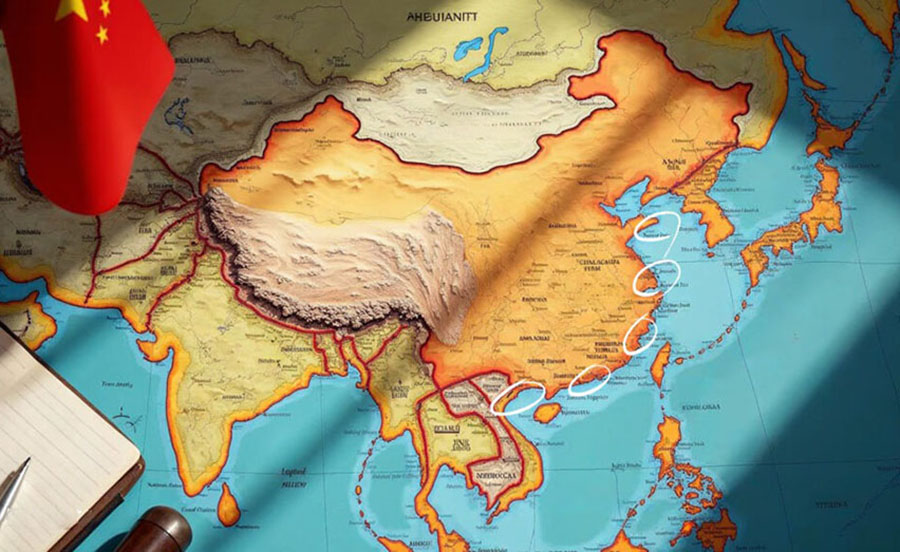
Different ports in China have different strengths, shipping routes, and operational capacities. As a result, the same garment order shipped from different ports may lead to noticeable differences in ocean freight cost, transit time, carrier availability, and seasonal congestion risk. For example, ports in South China such as Shenzhen and Guangzhou typically offer faster vessel schedules to the US and Europe, while East China ports like Ningbo and Shanghai provide strong global connectivity and competitive freight rates. In contrast, northern ports may be more suitable for regional industrial shipments rather than fast-moving apparel exports.
Understanding China’s port structure helps apparel buyers make more informed decisions, reduce logistics costs, and improve supply chain stability.
Conclusion
China’s major ports are distributed across different coastal regions, each serving specific industrial bases and global trade routes. For international apparel sourcing, understanding these ports is not only about geography, but also about optimizing shipping cost, improving delivery efficiency, and ensuring stable supply chain performance.
As a professional garment manufacturing company, we have extensive experience in apparel production and international export, and we are able to provide comprehensive solutions to support your business across product development, manufacturing, and global shipping coordination. If you need any assistance or have any questions regarding China’s ports or apparel sourcing, please feel free to contact us at any time.