
Acid wash and stone wash are two of the most recognizable denim finishing techniques in the apparel industry. Both methods are designed to give garments a worn, vintage appearance, but they achieve their effects through very different processes. Many buyers, fashion brands, and consumers often confuse the two because both create faded denim looks. However, the visual results, production methods, costs, and fabric impacts differ significantly.
The main difference between acid wash and stone wash is the finishing process used to fade the fabric. Acid wash uses chemicals, typically bleach-based treatments, to create dramatic high-contrast patterns, while stone wash relies on pumice stones and mechanical abrasion to create a softer, naturally worn appearance. Acid wash produces a more aggressive, marbled look, whereas stone wash delivers a smoother and more uniform vintage effect.
At Fusionknits, we often see buyers choosing between acid wash and stone wash based on their target market, design goals, and desired garment aesthetics.
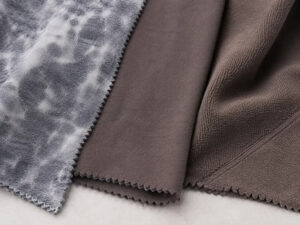
What Is Acid Wash?
Acid wash became one of the defining fashion trends of the 1980s.
Acid wash is a garment finishing process that uses bleach or chemical agents to remove dye unevenly from fabric surfaces, creating a distinctive high-contrast and marbled appearance.
The process produces bold visual effects that are difficult to achieve through traditional washing techniques.
How Acid Wash Works
The process generally involves:
- Bleach-treated pumice stones
- Garment tumbling
- Controlled chemical exposure
- Neutralization and rinsing
The bleach removes color from specific areas of the fabric.
Visual Characteristics
Acid-washed garments typically feature:
- Strong contrast
- Random marbling
- Bright highlights
- Distressed appearance
The result is often dramatic and attention-grabbing.
Common Applications
Acid wash is frequently used on:
- Denim jeans
- Hoodies
- Sweatshirts
- T-shirts
- Jackets
Modern streetwear brands often incorporate acid-wash finishes into oversized silhouettes.
What Is Stone Wash?
Stone washing predates acid washing and remains one of the most widely used garment finishing techniques.

Stone wash is a mechanical finishing process that uses pumice stones to abrade the surface of garments, creating a softer texture and naturally faded appearance.
The process mimics years of wear in a controlled production environment.
How Stone Washing Works
Garments are placed in industrial washing machines with:
- Pumice stones
- Water
- Detergents
- Softening agents
The stones rub against the fabric during washing.
Visual Characteristics
Stone-washed garments often feature:
- Soft fading
- Uniform appearance
- Vintage look
- Subtle color variation
The finish appears more natural than acid wash.
Common Applications
Stone wash is widely used for:
- Denim jeans
- Denim jackets
- Casual shirts
- Shorts
- Fashion denim collections
It remains one of the most commercially successful finishing techniques.
How Do Acid Wash and Stone Wash Look Different?
Visual appearance is the most obvious distinction.
Acid wash creates bold, irregular, high-contrast patterns, while stone wash produces a softer, more evenly faded appearance that resembles naturally aged denim.
Each finish appeals to different customer preferences.
Acid Wash Appearance
Key characteristics include:
- Dramatic color contrast
- Random bleach patterns
- Bright white highlights
- Retro aesthetic
The effect is intentionally bold.
Stone Wash Appearance
Characteristics include:
- Smooth fading
- Consistent color variation
- Soft vintage appearance
- Less aggressive contrast
The result feels more timeless and versatile.
Side-by-Side Comparison
| Feature | Acid Wash | Stone Wash |
|---|---|---|
| Appearance | High Contrast | Subtle Fade |
| Pattern | Random Marbling | Uniform Wear |
| Style | Bold Retro | Classic Vintage |
| Color Variation | Dramatic | Moderate |
| Visual Impact | High | Moderate |
These visual differences strongly influence product positioning.
How Do the Production Processes Differ?
The manufacturing methods behind these finishes are fundamentally different.
Acid wash relies heavily on chemical reactions, while stone wash depends primarily on mechanical abrasion caused by pumice stones.
This distinction affects cost, sustainability, and fabric performance.

Acid Wash Process
Typical steps include:
- Garment preparation
- Bleach treatment
- Tumbling process
- Neutralization
- Final washing
Chemical control is critical.
Stone Wash Process
Typical steps include:
- Garment loading
- Pumice stone addition
- Mechanical washing
- Rinsing
- Softening treatment
The abrasion process creates gradual fading.
Why Process Control Matters
Poor execution can lead to:
- Uneven fading
- Fabric damage
- Color inconsistency
- Quality issues
Proper production management is essential.
Which Process Is More Durable?
Buyers often wonder whether one finish weakens fabric more than the other.
Acid wash generally places more stress on fibers because of chemical exposure, while stone wash primarily causes surface abrasion. However, both processes can reduce fabric strength if not carefully controlled.
Durability depends on execution quality.
Acid Wash Durability Considerations
Potential concerns include:
- Fiber weakening
- Reduced tensile strength
- Increased fabric stress
Excessive bleaching can accelerate wear.
Stone Wash Durability Considerations
Potential effects include:
- Surface abrasion
- Slight yarn weakening
- Reduced fabric weight
However, moderate stone washing is often less aggressive.
Quality Factors
Durability depends on:
- Fabric quality
- Process control
- Chemical concentrations
- Wash duration
The finish alone does not determine longevity.
Which Fabrics Work Best for Acid Wash and Stone Wash?
Fabric selection significantly affects results.

Cotton-rich denim fabrics are generally the best choice for both acid wash and stone wash because they respond well to fading processes while maintaining structural integrity.
Different fibers react differently.
Best Fabrics for Acid Wash
Recommended options include:
- 100% cotton denim
- Cotton twill
- Cotton-polyester blends
- French terry
These fabrics absorb chemical treatments effectively.
Best Fabrics for Stone Wash
Common choices include:
- Denim
- Cotton canvas
- Twill fabrics
- Heavyweight cotton garments
Mechanical abrasion works well on these materials.
Fabrics to Avoid
Some fabrics may perform poorly:
- Silk
- Rayon
- Delicate knits
- Lightweight synthetics
These materials may not tolerate aggressive processing.
Which Finish Is More Popular Today?
Fashion trends constantly evolve.
Stone wash remains more widely used because of its versatility, while acid wash experiences periodic popularity spikes through retro fashion and streetwear trends.
Both maintain strong market relevance.
Why Stone Wash Remains Popular
Advantages include:
- Broad consumer appeal
- Timeless appearance
- Easier styling
- Versatile applications
Many mainstream brands use stone-washed denim.
Why Acid Wash Returns Cyclically
Acid wash often benefits from:
- Vintage trends
- 1980s nostalgia
- Streetwear influence
- Youth fashion cycles
Fashion frequently revisits bold aesthetics.
Current Market Trends
Popular categories include:
- Acid-wash hoodies
- Acid-wash sweatpants
- Stone-wash denim
- Vintage-inspired collections
Both finishes continue to evolve.
Which Process Is More Sustainable?
Sustainability has become increasingly important in apparel production.
Traditional acid wash and stone wash processes can both create environmental challenges, but modern technologies are helping reduce water usage, chemical consumption, and waste generation.
Brands increasingly seek cleaner alternatives.
Environmental Concerns with Acid Wash
Potential issues include:
- Chemical usage
- Wastewater treatment requirements
- Bleach disposal
Responsible processing is necessary.
Environmental Concerns with Stone Wash
Challenges include:
- Pumice stone waste
- Water consumption
- Machine wear
These factors affect sustainability performance.
Modern Sustainable Alternatives
Innovations include:
- Laser finishing
- Ozone washing
- Enzyme treatments
- Eco-friendly bleaching systems
These technologies reduce environmental impact.
How Should Buyers Choose Between Acid Wash and Stone Wash?
The best choice depends on product goals.
Buyers should select acid wash when seeking bold, fashion-forward aesthetics and choose stone wash when targeting timeless, versatile, and broadly appealing designs.
The intended customer should guide the decision.
Choose Acid Wash If
You want:
- Strong visual impact
- Streetwear appeal
- Retro styling
- Unique patterns
This finish works well for trend-driven collections.
Choose Stone Wash If
You want:
- Classic denim aesthetics
- Wider market appeal
- Everyday wearability
- Timeless design
Stone wash often appeals to a broader audience.
Questions to Consider
Before selecting a finish, ask:
- Who is the target customer?
- What style direction is desired?
- What price point is planned?
- How important is sustainability?
These answers help guide development.
Conclusion
Acid wash and stone wash are both popular garment finishing techniques, but they create distinctly different visual and performance outcomes. Acid wash uses bleach-based chemical treatments to generate dramatic, high-contrast marbling effects that are strongly associated with retro and streetwear fashion. Stone wash relies on mechanical abrasion from pumice stones to create a softer, more natural vintage appearance that remains one of the most widely used denim finishes in the world.
While acid wash often appeals to consumers seeking bold statement pieces, stone wash tends to attract customers looking for timeless, versatile garments. Both methods can be successfully applied to denim, hoodies, jackets, and other cotton-rich apparel when proper fabric selection and process control are maintained. Factors such as durability, sustainability, target market, and desired visual impact should all influence the final decision.
At Fusionknits, we have found that both acid wash and stone wash continue to play important roles in modern apparel development. The most successful products are those that align the washing technique with the brand's aesthetic vision, customer expectations, and overall product strategy, resulting in garments that balance visual appeal, comfort, and long-term wearability.