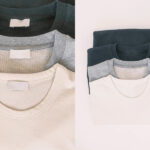
In today's competitive apparel market, a T-shirt is not just a basic garment; it is a product that communicates brand identity, resonates with consumer preferences, and contributes to revenue. Many apparel brands and private-label buyers struggle to create designs that sell consistently.
Without a comprehensive approach that combines design, material, fit, and production feasibility, even the most visually striking concepts may fail to achieve market success.
At Fusionknits, a good T-shirt design balances visual appeal, wearability, quality, and market relevance.Understanding these key factors is essential for any apparel brand or wholesaler seeking to maximize the commercial potential of a T-shirt collection.
What Are the Qualities of a Good T-Shirt?
A high-performing T-shirt begins with the fundamentals of garment construction. Design alone cannot compensate for poor fabric, fit, or durability.
Key qualities of a good T-shirt include high-quality fabrics, comfortable fit, consistent construction, and a design that appeals to the intended customer base.
Why Fabric Quality Matters
Fabric selection is a primary focus during T-shirt development. The choice of fabric affects comfort, print quality, durability, and perceived value.
- Combed Cotton: Soft texture and premium feel, ideal for casual and streetwear collections.
- Ring-Spun Cotton: Smooth surface, durability, and longevity after repeated washing.
- Cotton-Polyester Blends: Improves shape retention, reduces shrinkage, maintains color vibrancy.
- Organic Cotton: Appeals to eco-conscious markets and sustainability-focused brands.
- Cotton-Spandex Blends: Adds stretch for athletic or slim-fit designs, improving mobility and comfort.
Selecting the right fabric ensures that the T-shirt remains comfortable, durable, and visually appealing over time, which directly impacts customer satisfaction and repeat purchases.
Why Fit Is Just as Important as Design
Fit plays a crucial role in customer satisfaction and brand reputation. Proper fit is aligned with the target demographic:
- Regular Fit: Broad appeal, timeless appearance, and easy sizing.
- Oversized Fit: Popular among youth markets and streetwear enthusiasts, emphasizing style over conformity.
- Athletic Fit: Tapered for chest and waist, highlighting physique, suitable for sportswear and active lifestyle collections.
Proper fit enhances wearability, ensures comfort, and supports the visual presentation of printed or embroidered designs.
How Construction Affects Customer Satisfaction
- Seams must withstand repeated washing without tearing.
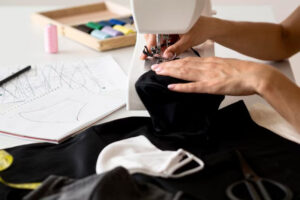
- Necklines, sleeves, and hems require precision stitching to maintain shape.
- Garment pre-shrinkage and finishing processes prevent deformation during consumer use.
Quality control at every stage—from fabric inspection to final stitching—is critical to producing T-shirts that meet high consumer expectations.
Why Does T-Shirt Design Matter for Apparel Brands?
Design is not merely aesthetic; it directly influences sales, brand positioning, and consumer perception.

Successful T-shirt designs connect with the target audience, enhance brand identity, and align with market trends. A well-executed design can increase conversion rates, strengthen brand loyalty, and justify premium pricing.
The Relationship Between Design and Brand Identity
T-shirt designs serve as a communication tool. Consistent visual identity—through color palettes, logos, and graphic styles—helps brands build recognition. Minimalist logos, unique typography, or signature graphic motifs can instantly signal brand affiliation to consumers.
How Design Influences Buying Decisions
Consumers are more likely to purchase T-shirts that reflect their interests, lifestyle, and personal values. Designs that create emotional connections, such as motivational messages, pop-culture references, or lifestyle imagery, tend to outperform purely decorative graphics.
Why Some Designs Sell Better Than Others
Data from multiple markets shows that designs with clear messaging, appropriate scaling, and relatable themes consistently generate higher sales. Overcomplicated or overly niche designs may fail to resonate, leading to inventory slowdowns and markdowns.
What Type of T-Shirt Designs Sell the Most?
Successful T-shirt designs often share simplicity, relevance, and adaptability. Minimalism, typography, vintage, and lifestyle-oriented graphics dominate global markets.
Minimalist Designs
- Small logos or chest graphics
- Simple typography or monochromatic graphics
- Broad consumer appeal, suitable for casual wear
Typography-Based Designs
- Motivational quotes, humorous slogans, or brand messages
- Require lower production complexity while maintaining strong sales potential
- Work across multiple fabric colors and styles
Vintage and Retro Graphics
- Nostalgic references from the 80s, 90s, or early 2000s
- Faded prints, distressed textures, and retro color palettes
- Often paired with modern fits for contemporary appeal
Lifestyle and Niche-Based Designs
- Fitness, travel, outdoor adventure, music, or streetwear themes
- Align designs with the target customer’s lifestyle to increase perceived value
- Supports brand storytelling and marketing campaigns
Current T-Shirt Design Trends
- Athleisure and streetwear dominate, particularly in North America and Europe
- Eco-friendly fabrics and sustainable printing methods gain traction among millennial and Gen Z consumers
- Simple, versatile designs with clear visual hierarchy maintain long-term sales performance
What Makes a Successful T-Shirt Design?
Beyond visual appeal, a successful T-shirt design must integrate brand strategy, production feasibility, and consumer insight.
Successful designs are evaluated for target audience alignment, color and placement strategy, and production scalability.
Understanding the Target Audience
Analyzing age, gender, lifestyle, fashion preferences, and purchasing power ensures the design resonates with consumers. Streetwear consumers may favor oversized fits and bold graphics, while fitness-focused buyers prefer sleek typography and performance fabrics.
Choosing the Right Colors
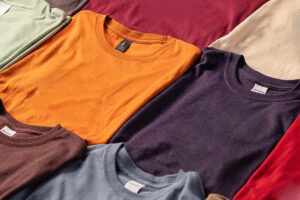
- Base colors: Black, white, navy, heather gray, and beige dominate due to versatility.
- Print colors: High contrast improves readability; tonal prints suit premium collections.
- Color selection affects both visual appeal and production consistency.
Selecting the Best Print Placement
| Placement | Typical Use |
|---|---|
| Center Chest | Bold statements |
| Left Chest | Logos and subtle branding |
| Full Front | Fashion graphics |
| Back | Narrative or streetwear graphics |
| Sleeve | Secondary branding |
Proper placement enhances aesthetics, avoids distortion, and maximizes wearability across sizes.
Balancing Creativity and Commercial Appeal
Creative concepts must consider:
- Production feasibility
- Fabric suitability
- Cost efficiency
- Market acceptance
Balancing these factors ensures designs are both innovative and commercially viable.
How Do Fabric and Printing Methods Affect Design Success?
Fabric and printing choices directly influence the final product’s look, feel, and durability.
Choosing the Right Fabric for Different Designs
- Heavier cotton is ideal for bold prints but limits intricate details
- Cotton-polyester blends improve durability and shape retention
- Performance fabrics enhance stretch and moisture control for athletic designs
Screen Printing vs DTG vs Embroidery
| Method | Best For | Advantages |
|---|---|---|
| Screen Printing | Large runs, bold colors | Durable, cost-effective |
| DTG Printing | Small runs, complex designs | Full-color capability, detailed graphics |
| Heat Transfer | Custom or limited editions | Flexible, fast turnaround |
| Embroidery | Premium branding | Texture, premium perception |
How Production Costs Affect Design Choices
Cost-effective designs reduce wholesale pricing while maintaining quality. Fabric weight, print complexity, and garment type all influence cost.
Common Production Challenges
- Ensuring consistent print quality across sizes
- Managing fabric shrinkage and colorfastness
- Maintaining fit after multiple washes
Careful sampling and testing prevent costly errors before mass production.
What Are Common T-Shirt Design Mistakes?
Even experienced brands make errors that affect market performance.

Common mistakes include: overcrowded graphics, ignoring target audience preferences, selecting the wrong base garment, misaligned print placement, and skipping pre-production sampling.
Overcomplicated Artwork
Too many elements reduce clarity and consumer appeal. Single, focused messages perform better.
Ignoring Target Market
Not aligning designs with customer demographics and lifestyle reduces sales potential.
Using the Wrong Garment Base
Low-quality blanks or poor fit undermine even the most creative graphics.
Poor Print Placement
Improperly scaled graphics or misaligned prints reduce perceived quality.
Skipping Sample Testing
Testing ensures shrinkage, colorfastness, and print durability are acceptable before mass production.
Conclusion
A good T-shirt design integrates comfort, fit, durability, and market relevance. Minimalist, typography-driven, and lifestyle-oriented graphics often perform best while remaining versatile across seasons. Combining thoughtful design, proper fabric selection, and production planning ensures T-shirts meet consumer expectations and maintain high-quality standards.
At Fusionknits, evaluating target audience preferences, print methods, garment construction, and production feasibility helps apparel brands and private-label buyers create collections that maximize sell-through, strengthen brand identity, and sustain long-term market success.