Waterproof fabrics are essential for outerwear, workwear, outdoor gear, and performance apparel. While many materials are water-resistant, achieving 100% waterproof performance requires specific fibers, coatings, and construction techniques.
At Fusionknits, we manufacture high-performance waterproof garments for jackets, pants, and activewear. Understanding which fabrics are truly waterproof and how construction affects performance is critical for brands seeking to produce durable and functional apparel.
As a professional clothing manufacturer, we explore the materials, finishes, and techniques used to create 100% waterproof fabrics, their advantages and limitations, and their applications in modern apparel.
What makes a fabric 100% waterproof?
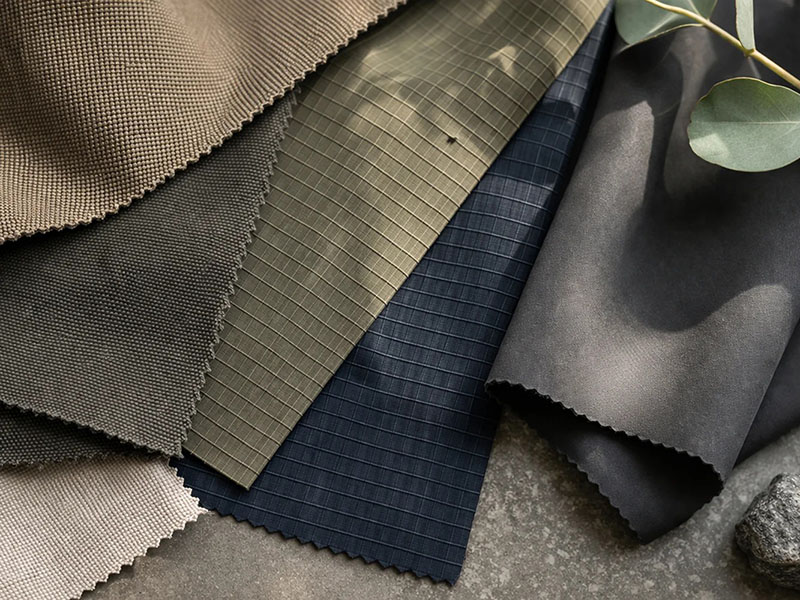
A 100% waterproof fabric must prevent water penetration under pressure while maintaining breathability when worn. This is achieved through tight weave structures, water-repellent coatings, laminates, or membrane technologies. Simply water-resistant fabrics, such as lightly treated cotton, cannot provide full waterproof protection.
At Fusionknits, we select materials and finishes that meet strict waterproof standards, ensuring garments protect wearers in extreme weather.
Key characteristics of waterproof fabrics
| Feature | Benefit |
|---|---|
| Tight weave or knit | Prevents water ingress |
| Coating or laminate | Provides a barrier against moisture |
| Breathability | Allows moisture vapor to escape, enhancing comfort |
| Durability | Resistant to wear, abrasion, and repeated washing |
| Seam sealing | Prevents water entry through stitching |
What fibers are used in waterproof fabrics?
Waterproof fabrics often combine synthetic fibers such as polyester, nylon, and technical blends with hydrophobic coatings. Natural fibers like cotton or wool require heavy chemical treatment or laminates to achieve full waterproofing, often reducing breathability and flexibility.

At Fusionknits, we primarily use synthetic fibers for performance waterproof apparel because they provide reliable water protection and durability while maintaining comfort when layered appropriately.
Common waterproof fibers
| Fiber | Properties |
|---|---|
| Polyester | Lightweight, strong, resistant to water and UV damage |
| Nylon | Abrasion-resistant, flexible, water-resistant |
| Polyurethane-coated fabrics | Adds waterproofing without heavy weight |
| PTFE membranes (e.g., Gore-Tex) | Allows breathability while blocking water |
How coatings and laminates make fabrics waterproof
Waterproof performance often relies on coatings or laminates applied to the fabric surface. Polyurethane (PU) coatings, polyvinyl chloride (PVC), and polytetrafluoroethylene (PTFE) membranes create a physical barrier that prevents water penetration. Laminated fabrics bond the waterproof layer between an outer shell and a lining for durability.
At Fusionknits, we use coatings and laminates carefully calibrated for weight, flexibility, and breathability to maintain comfort while ensuring 100% waterproof performance.
Coating types
| Coating | Benefit |
|---|---|
| Polyurethane (PU) | Flexible, lightweight, durable |
| PVC | Heavy-duty waterproofing, high resistance |
| PTFE (Gore-Tex) | Breathable, lightweight, water-resistant under pressure |
| DWR (Durable Water Repellent) | Repels water on the surface, usually combined with membranes |
Why construction matters for waterproof garments
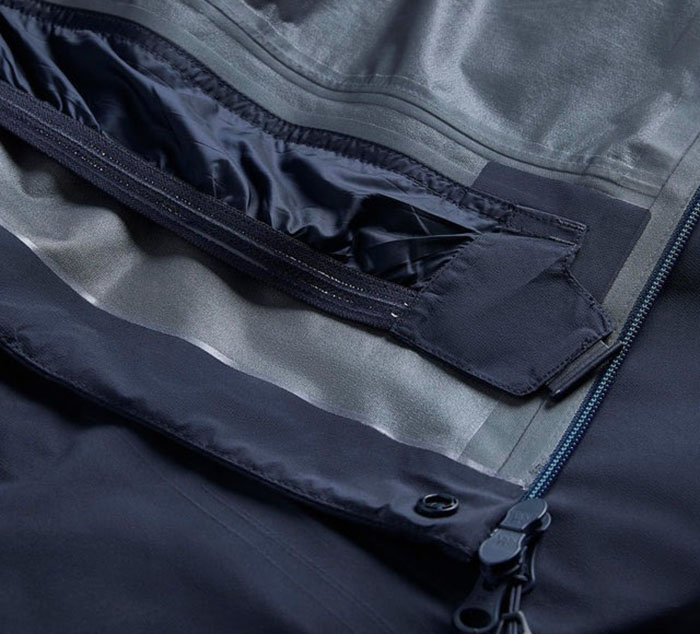
Even with waterproof fabrics, water can penetrate through seams, zippers, and stitch holes. Fully waterproof garments require seam sealing, taped seams, water-resistant zippers, and storm flaps. Construction techniques ensure the garment performs in rain, snow, and high-pressure wet conditions.
At Fusionknits, we incorporate precise construction techniques to ensure the full waterproof integrity of garments, from stitching to finishing.
Construction considerations
| Technique | Purpose |
|---|---|
| Seam taping | Blocks water from entering through stitch holes |
| Storm flaps over zippers | Prevent water penetration during rainfall |
| Welded or bonded seams | Provides extra waterproofing without bulk |
| Adjustable cuffs and hems | Prevents water ingress from openings |
How breathability affects perception
100% waterproof fabrics must balance water resistance with comfort. Breathable membranes like PTFE or polyurethane laminates allow moisture vapor to escape, preventing condensation and discomfort. Without breathability, wearers may overheat, reducing the garment’s practicality.
At Fusionknits, we prioritize breathable waterproof fabrics to ensure functional comfort during prolonged wear, especially in active outdoor activities.
Breathability considerations
| Feature | Benefit |
|---|---|
| Microporous membranes | Water vapor passes, liquid water blocked |
| Moisture-wicking lining | Draws sweat away from skin |
| Ventilation zippers | Increases airflow during exertion |
| Layering design | Maintains warmth while preventing dampness |
Popular 100% waterproof fabrics
Several fabrics achieve full waterproof performance in practical applications. Gore-Tex, eVent, PU-coated nylon or polyester, and PVC laminates are among the most used. Each varies in weight, breathability, flexibility, and durability.

At Fusionknits, we select fabrics based on intended activity, whether high-performance sports, outdoor workwear, or casual waterproof jackets.
Examples
| Fabric | Features | Applications |
|---|---|---|
| Gore-Tex | Breathable, lightweight, fully waterproof | Hiking, mountaineering, technical outerwear |
| eVent | Breathable, waterproof under heavy rain | Outdoor and athletic jackets |
| PU-coated polyester | Flexible, water-resistant | Urban rain jackets, lightweight puffers |
| PVC-coated nylon | Heavy-duty, waterproof | Workwear, industrial outerwear |
How waterproof performance is tested
Waterproof fabrics undergo testing for hydrostatic pressure, water column rating, and resistance to wind-driven rain. Hydrostatic pressure measures how much water the fabric can withstand before leakage. Higher ratings indicate better waterproof performance.
At Fusionknits, we test fabrics rigorously to ensure garments meet or exceed 100% waterproof performance standards for intended use.
Testing standards
| Test | Measurement |
|---|---|
| Hydrostatic water column | mm of water before leakage occurs |
| Rain simulation | Exposure to wind-driven rain |
| Breathability (MVTR) | Moisture vapor transmission rate |
| Durability | Resistance to abrasion and washing |
Applications of 100% waterproof fabrics
100% waterproof fabrics are used in rain jackets, ski and snowboard outerwear, workwear, protective clothing, and high-end casual jackets. Material choice affects weight, flexibility, insulation, and layering compatibility.
At Fusionknits, we manufacture waterproof garments for both performance-driven outdoor activities and everyday urban wear, ensuring functionality, style, and durability.
Typical uses
| Application | Ideal Fabric |
|---|---|
| Rain jackets | PU-coated polyester or nylon, DWR finish |
| Ski jackets | Gore-Tex or eVent with insulation layers |
| Workwear | PVC-coated nylon or heavy PU |
| Casual outerwear | Lightweight laminated polyester |
Cost and sustainability considerations
High-performance waterproof fabrics are generally more expensive due to technical processing, membrane technology, and finishing. Sustainable options, including recycled polyester or eco-certified laminates, are increasingly sought after by environmentally conscious consumers.
At Fusionknits, we integrate sustainable waterproof fabrics while maintaining performance, helping brands appeal to eco-conscious markets.
Sustainable waterproof options
| Fabric | Sustainability Feature |
|---|---|
| Recycled polyester | Reduces plastic waste, maintains durability |
| Eco-certified PU | Environmentally controlled manufacturing |
| PTFE-free laminates | Low environmental impact alternative |
| DWR with PFC-free finish | Reduces chemical exposure |
Conclusion
100% waterproof fabrics combine specialized fibers, coatings, membranes, and precise construction to provide complete protection against rain, snow, and wet conditions.
Synthetic fibers such as polyester and nylon, enhanced with PU coatings, PVC, or membranes like Gore-Tex, offer the best balance of water resistance, breathability, and durability. Proper seam sealing, storm flaps, and functional design further ensure garments perform effectively in real-world conditions.
At Fusionknits, we manufacture high-quality waterproof garments using premium synthetic fabrics, advanced lamination, and expert construction techniques. Our approach ensures jackets, pants, and outerwear provide full waterproof performance while maintaining comfort, flexibility, and durability. By integrating fabric technology, finishing processes, and sustainable practices, brands can deliver products that satisfy functional requirements, aesthetic preferences, and consumer expectations in both casual and technical markets.