Bamboo fabric has become highly popular in apparel due to its softness, breathability, and eco-friendly properties. Many consumers and brands seek alternatives that offer similar comfort, moisture management, and sustainability. Understanding fabrics that are closest to bamboo can help in material selection for activewear, loungewear, baby clothes, and casual garments.
At Fusionknits, we work extensively with bamboo and its alternatives to create high-quality garments that balance comfort, performance, and sustainability. Knowing which fabrics emulate bamboo’s desirable properties allows brands to develop products that meet consumer expectations even when bamboo may not be available or cost-effective.
As a professional clothing manufacturer, we explore the characteristics of bamboo fabric, its closest alternatives, fiber blends, and production techniques to produce apparel that mirrors bamboo’s benefits.
What makes bamboo fabric unique?
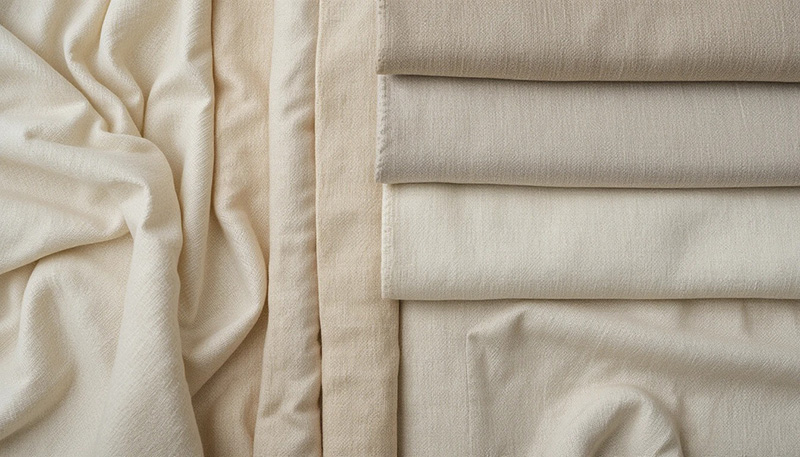
Bamboo fabric is primarily produced as bamboo viscose (or rayon) through chemical processing, or as bamboo linen through mechanical processing. Key attributes include natural softness, breathability, moisture-wicking, antibacterial properties, and eco-friendly potential. These qualities make bamboo garments highly desirable, especially for baby clothing and loungewear.
At Fusionknits, we select premium bamboo fibers and optimize knitting and finishing techniques to preserve these attributes in our garments.
Key characteristics of bamboo fabric
| Feature | Benefit |
|---|---|
| Softness | Gentle against skin, similar to silk |
| Breathability | Keeps the wearer cool and comfortable |
| Moisture-wicking | Draws sweat away from the body |
| Antibacterial | Reduces odor and inhibits bacteria |
| Eco-friendly | Biodegradable and rapidly renewable |
Bamboo’s combination of natural softness, lightweight feel, and moisture regulation sets it apart from many other natural and synthetic fibers. The fabric’s antibacterial properties also give it a practical advantage for baby garments and activewear, where hygiene is particularly important.
Which fabrics are closest to bamboo?
Several fabrics mimic bamboo’s softness, drape, and comfort. The most common alternatives include modal, Tencel (Lyocell), cotton, and certain blends with spandex or silk. These fabrics replicate bamboo’s hand-feel, breathability, and moisture management, though each has slight differences in performance and environmental impact.

At Fusionknits, we recommend alternatives depending on garment type, consumer expectations, and budget, balancing softness, durability, and sustainability.
Top bamboo alternatives
| Fabric | Characteristics | Comparison to Bamboo |
|---|---|---|
| Modal | Made from beech trees, soft, drapey, breathable | Very similar in softness and sheen; smooth and comfortable for loungewear and baby clothes |
| Tencel (Lyocell) | Made from eucalyptus pulp, eco-friendly, breathable | Comparable moisture management and softness; slightly stronger than bamboo |
| Cotton (high-quality combed or Pima) | Soft, breathable, hypoallergenic | Slightly less silky; highly versatile and durable |
| Silk blends | Smooth, soft, luxurious | Closer to bamboo in softness; less moisture-wicking and eco-friendly |
These fabrics can emulate bamboo in specific ways: Modal is known for its luxurious softness and excellent drape, Tencel provides strong moisture-wicking and breathability, and high-quality cotton delivers durability and comfort. Choosing the right alternative depends on the intended use, whether it’s for activewear, loungewear, or infant clothing.
How modal compares to bamboo
Modal is one of the closest alternatives to bamboo due to its natural softness, smooth texture, and lightweight feel. It is breathable, drapes well, and is less prone to shrinkage or pilling than bamboo viscose. Modal is ideal for loungewear, activewear, and baby garments, where prolonged comfort is essential.
At Fusionknits, we often blend modal with bamboo or cotton to optimize stretch, durability, and cost efficiency. For instance, a 70% modal / 30% bamboo blend can retain the silk-like softness of bamboo while adding structural strength and durability, making garments easier to maintain over repeated washing.
Modal properties
| Property | Benefit |
|---|---|
| Soft hand-feel | Comfortable against skin, mimicking bamboo’s texture |
| High drape | Creates elegant flow for garments like pajamas or tees |
| Moisture management | Absorbs sweat efficiently for loungewear or activewear |
| Durability | Resistant to shrinkage, better color retention |
Modal’s resistance to pilling and shrinkage makes it an attractive option for parents buying baby clothes or consumers seeking low-maintenance activewear. Its eco-friendly profile also complements the sustainable perception associated with bamboo.
How Tencel (Lyocell) is similar to bamboo
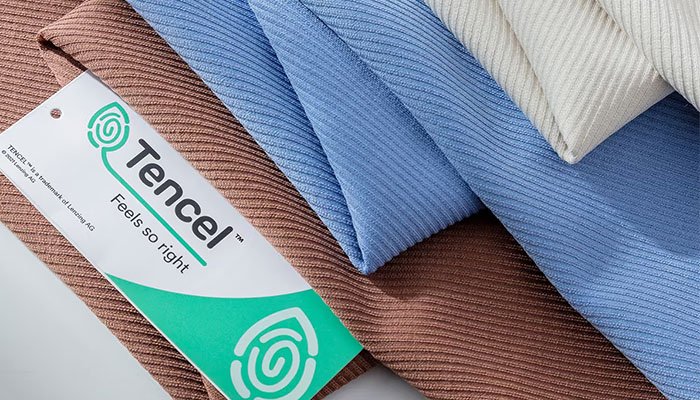
Tencel, derived from eucalyptus trees, is an eco-friendly, soft, and breathable fabric. It shares bamboo’s moisture-wicking and smooth hand-feel. Tencel garments are durable, lightweight, and comfortable, making them suitable for activewear, sleepwear, and casual wear.
At Fusionknits, we use Tencel for premium lines where softness, performance, and sustainability are priorities. It also handles blending well with cotton or spandex to provide stretch and resilience, similar to bamboo-spandex blends.
Tencel properties
| Property | Advantage |
|---|---|
| Softness | Silky smooth, suitable for sensitive skin |
| Breathability | Regulates temperature efficiently |
| Moisture-wicking | Keeps skin dry and reduces odor |
| Eco-friendly | Closed-loop production reduces environmental impact |
Tencel’s low environmental footprint, combined with its comfort and performance, positions it as an excellent bamboo alternative for premium garments like baby clothes, loungewear sets, and activewear tops.
Cotton as a bamboo alternative
High-quality cotton, such as combed, long-staple, or Pima cotton, can replicate some of bamboo’s softness and comfort. Cotton is breathable, hypoallergenic, and easy to care for, though it may lack bamboo’s natural antibacterial properties and silk-like hand-feel.
At Fusionknits, we select premium cotton for garments where bamboo is cost-prohibitive but softness and breathability are still essential. Combining cotton with modal or bamboo can provide the best of both worlds—comfort, durability, and a smooth hand-feel.
Cotton properties
| Property | Benefit |
|---|---|
| Softness | Comfortable for everyday wear |
| Breathability | Keeps wearer cool and reduces sweating |
| Durability | Maintains integrity after repeated washes |
| Versatility | Suitable for casual wear, activewear, and loungewear |
By selecting long-staple cotton or combining it with performance fibers, garments can achieve a soft, lightweight feel similar to bamboo while providing practical durability.
Blending fibers to replicate bamboo
Blending cotton, modal, Tencel, or spandex can mimic bamboo’s unique combination of softness, stretch, moisture-wicking, and durability. Slight inclusion of spandex provides flexibility, while cotton or modal adds body and comfort.

At Fusionknits, we optimize fiber blends to emulate bamboo’s performance while enhancing durability, fit, and functionality. For example, a 60% Tencel / 30% cotton / 10% spandex blend can provide soft, breathable, and flexible activewear or loungewear that approximates bamboo’s properties.
Common bamboo-like blends
| Blend | Benefits |
|---|---|
| 70% Modal / 30% Bamboo | Soft, silky, breathable, sustainable |
| 60% Cotton / 30% Bamboo / 10% Spandex | Comfortable, flexible, retains shape |
| 50% Tencel / 50% Bamboo | Lightweight, moisture-wicking, luxurious feel |
| 80% Cotton / 20% Modal | Soft, durable, easy-care |
How knit structure and finishing affect bamboo alternatives
The feel and performance of fabrics also depend on knitting and finishing techniques. Jersey knits, interlock, and rib knits enhance stretch, drape, and softness. Finishing treatments such as enzyme washing, softeners, and anti-pilling processes improve comfort and durability.
At Fusionknits, we pair high-quality fibers with precise knitting and finishing to produce garments that closely mimic bamboo in softness, stretch, and comfort. Advanced finishing ensures that even cotton or modal blends achieve a silk-like touch and longevity similar to bamboo garments.
Knit and finishing considerations
| Technique | Purpose |
|---|---|
| Jersey knit | Lightweight, flexible, soft hand-feel |
| Interlock knit | Smooth, dense, maintains shape |
| Rib knit | Stretchable, suitable for cuffs and hems |
| Enzyme wash | Softens fibers without damage |
| Anti-pilling | Maintains smooth surface over time |
These processes are particularly important for baby clothing and loungewear, where fabric hand-feel and durability are critical to consumer satisfaction.
Cost comparison with bamboo
Bamboo fabrics are often more expensive due to fiber processing, environmental certifications, and small-batch production. Modal, Tencel, or high-quality cotton blends can provide similar properties at a slightly lower cost, offering a viable alternative for brands seeking bamboo-like comfort.
At Fusionknits, we advise clients on cost-effective alternatives that replicate bamboo’s performance while remaining commercially feasible.
Cost factors
| Fabric | Relative Cost |
|---|---|
| Bamboo | High due to fiber processing and sustainability claims |
| Modal | Moderate, high softness at lower cost |
| Tencel | Moderate, eco-friendly and durable |
| Cotton | Moderate, widely available, easier processing |
Applications of bamboo-like fabrics
Fabrics that replicate bamboo are suitable for loungewear, baby clothes, activewear, sleepwear, and casual garments. They offer softness, breathability, and comfort while allowing brands to meet budget, performance, or sustainability goals.
At Fusionknits, we produce garments using bamboo alternatives that meet consumer expectations for comfort, softness, and eco-conscious performance.
Typical garment applications
| Garment | Recommended Fabric |
|---|---|
| Baby clothing | Bamboo, modal, cotton-bamboo blends |
| Loungewear | Modal, Tencel, bamboo blends |
| Activewear | Bamboo-spandex, Tencel-spandex blends |
| Sleepwear | Soft cotton, modal, or bamboo blends |
Conclusion
Bamboo’s unique combination of softness, breathability, moisture-wicking, and eco-friendliness can be closely replicated with fabrics such as modal, Tencel, high-quality cotton, and thoughtfully designed blends. Knit structures, finishing processes, and fiber composition all contribute to the fabric’s comfort and performance, allowing bamboo alternatives to serve similar functions in garments.
At Fusionknits, we combine expertise in fiber selection, knit construction, and finishing techniques to produce high-quality garments that emulate bamboo’s desirable properties. By selecting the right alternatives and optimizing blends, brands can deliver apparel that is soft, breathable, sustainable, and comfortable, offering a premium wearing experience comparable to bamboo at a more accessible cost. The careful integration of fibers, blends, and finishing ensures the final garments maintain durability, aesthetic appeal, and performance, satisfying both functional and ethical expectations in the modern apparel market.