Jackets are a staple in almost every wardrobe, but many consumers and even buyers are unsure how to classify them in terms of apparel categories. Understanding jacket classification helps clarify fabric choices, style applications, and functional purposes.
A jacket is generally classified as outerwear, which is designed to provide warmth, protection from weather, or style layering. Jackets can be subdivided into categories such as casual, technical jackets, insulated, and fashion-oriented outerwear depending on design, material, and intended use.
At Fusionknits, we manufacture jackets across multiple categories, and classification determines fabric selection, construction standards, and market positioning.
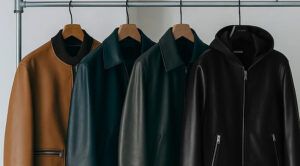
Why jackets are considered outerwear
The primary function of jackets is to serve as a protective layer worn over other clothing. This functional role places them in the outerwear category.
Jackets are classified as outerwear because they provide protection against wind, rain, cold, and other environmental elements while being the outermost layer in an outfit.
Outerwear classification distinguishes jackets from inner layers like shirts, sweaters, or T-shirts.
Features that define jackets as outerwear
- Made for layering over garments
- Provides insulation and protection
- Often includes closures such as zippers, buttons, or snaps
- Incorporates hoods, collars, or cuffs for weather defense
- Designed for outdoor use or transitional weather
These attributes differentiate jackets from inner garments or fashion tops.
Why classification matters
Classification influences:
- Fabric choice (insulating vs. breathable)
- Style development (casual, technical, or fashion)
- Retail categorization
- Performance expectations
Proper classification ensures garments meet functional and stylistic standards.
Types of jackets based on style and function
Jackets can be grouped into multiple categories based on their intended purpose, material, and design.

Common jacket classifications include casual, technical, insulated jackets, lightweight, and fashion jackets.
At Fusionknits, we design jackets according to both functional needs and market positioning.
Casual jackets
- Designed for everyday wear
- Often made from cotton, polyester blends, or denim
- Prioritize comfort and versatility
- Examples: bomber jackets, denim jackets, Harrington jackets
Casual jackets are primarily style-driven while offering moderate protection.
Technical jackets
- Engineered for specific outdoor activities
- Lightweight, breathable, often waterproof or windproof
- Examples: hiking jackets, softshell jackets, cycling jackets
Technical jackets emphasize functionality and material performance.
Insulated jackets
- Include synthetic or down insulation for warmth
- Suitable for cold climates
- Examples: puffer jackets, down coats, parkas
Insulated jackets prioritize thermal performance over style aesthetics.
Fashion-oriented jackets
- Focus on appearance and trendiness
- Often use premium fabrics or unique cuts
- May include decorative elements
- Examples: leather jackets, suede jackets, tailored blazers
These jackets are often less functional and more stylistic.
How fabrics define jacket classification
Fabric choice is crucial in determining a jacket's classification and performance.
Outerwear fabrics are typically selected based on insulation, water resistance, breathability, or fashion appeal. Common fabrics include cotton, polyester, nylon, wool, fleece, and blends.
At Fusionknits, fabric selection guides both classification and functionality.
Fabric types and their applications
| Fabric | Typical Use | Classification Impact |
|---|---|---|
| Cotton | Casual jackets, fashion jackets | Lightweight, style-focused |
| Nylon | Technical jackets, windbreakers | Durable, weather-resistant |
| Polyester | Fleece, softshell | Insulating or performance outerwear |
| Wool | Fashion and insulated coats | Warmth, premium aesthetic |
| Leather/Suede | Fashion jackets | Premium, trend-oriented |
Fabrics are selected to balance performance, comfort, and visual appeal.
How technical fabrics enhance outerwear
- Water-repellent coatings provide protection
- Breathable membranes improve comfort
- Insulating layers retain body heat
- Durable weaves withstand abrasion
Fabric choice ensures jackets meet performance standards for outerwear.
How jacket construction influences classification
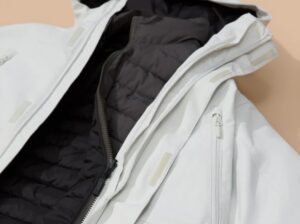
Construction techniques also define jacket classification. Sturdier, insulated, or multi-layered jackets are clearly outerwear, while lightweight or fashion-only jackets may blur the line.
Construction factors like insulation, seam sealing, lining, closures, and reinforcement determine whether a jacket can be classified as protective outerwear or purely fashion apparel.
Proper construction ensures the garment fulfills its outerwear function.
Key construction elements
- Insulation type (synthetic, down, fleece)
- Seam reinforcement for durability
- Zippers, buttons, snaps, and storm flaps
- Hood design and adjustability
- Ribbed cuffs and hem for thermal efficiency
These factors enhance both functional and aesthetic qualities.
How jackets compare to coats and blazers
Jackets are often confused with coats or blazers, but classification differs based on length, purpose, and formality.
Jackets are generally shorter, versatile, and casual to semi-casual, while coats are longer and designed primarily for warmth, and blazers are structured fashion garments intended for formal or semi-formal wear.
Classification impacts fabric choice, lining, and design standards.
Comparison chart
| Garment | Typical Length | Main Purpose | Fabric Examples |
|---|---|---|---|
| Jacket | Waist to hip | Outerwear, casual | Cotton, nylon, fleece |
| Coat | Thigh to ankle | Warmth, protection | Wool, down, synthetic insulation |
| Blazer | Waist to mid-hip | Fashion/formal | Wool blends, cotton, linen |
Understanding distinctions ensures correct categorization and marketing.
Are hooded jackets classified differently?
Hooded jackets are often grouped within outerwear but may combine casual and technical attributes.

Hooded jackets remain outerwear because they provide warmth and weather protection, even when designed with fashion or lightweight fabrics.
At Fusionknits, hooded jacket design integrates functionality with style.
Hooded jacket advantages
- Provides head coverage
- Enhances thermal retention
- Adds casual styling element
- Increases layering versatility
The hood reinforces the functional purpose of jackets as outerwear.
Examples
| Type | Fabric | Purpose |
|---|---|---|
| Fleece Hoodie | Cotton/polyester blend | Comfort, indoor-outdoor warmth |
| Softshell Hoodie | Nylon-spandex | Weather-resistant activewear |
| Insulated Parka Hoodie | Down or synthetic fill | Cold-weather protection |
Hooded jackets straddle comfort, fashion, and functional outerwear.
How market trends influence jacket classification
Fashion trends, lifestyle preferences, and outdoor activity demand affect how jackets are designed and categorized.
Modern outerwear categories often blend performance and fashion, making classification more nuanced but still anchored by protective and layering functions.
Trends like athleisure and casual technical wear have blurred traditional lines.
Trend-driven design features
- Lightweight insulated jackets for everyday wear
- Softshell jackets with fashionable cuts
- Hybrid jackets combining fleece and weatherproof fabrics
- Casual outerwear mimicking technical silhouettes
Trends influence fabric choices, construction, and overall classification.
How consumers perceive jackets
Consumer perception often aligns jackets with comfort, protection, and fashion versatility.
Shoppers view jackets as essential outerwear because they provide coverage and utility while enabling style expression.
Effective marketing communicates both functional and aesthetic qualities.
Factors influencing perception
- Garment length and fit
- Fabric touch and insulation
- Design details (hoods, pockets, trims)
- Layering compatibility
- Brand and price positioning
Positive perception reinforces the jacket’s outerwear classification.
Conclusion
Jackets are classified as outerwear because they serve as protective layers worn over other garments. They are designed for warmth, weather protection, or fashion layering. Jackets can be further subdivided into casual, technical, insulated, and fashion-oriented categories depending on fabric choice, construction, and intended use. Key fabrics include cotton, polyester, nylon, fleece, wool, and blends, each contributing to insulation, breathability, durability, and style.
Construction details such as closures, linings, insulation, hoods, cuffs, and hems reinforce the functional role of jackets. While jackets are distinct from coats and blazers due to length, formality, and purpose, hooded jackets remain a versatile outerwear category that blends fashion and function. Market trends like athleisure have expanded jacket designs, integrating performance and casual styling, yet classification as outerwear remains consistent.
At Fusionknits, we consider fabric, construction, fit, and functionality when designing jackets. By balancing warmth, comfort, fashion, and performance, jackets maintain their role as essential outerwear garments for diverse climates, lifestyles, and global markets.