
Hoodies are one of the most popular garments in casual wear, streetwear, and activewear, largely because of their comfort. Yet many people do not fully understand why hoodies feel so cozy and enjoyable to wear.
Hoodies are comfy because they combine soft fabrics, loose or relaxed fit, insulation, and flexible design elements like hoods and ribbed cuffs. Materials like cotton, fleece, and polyester blends contribute to warmth, softness, and stretch, making hoodies ideal for both relaxation and casual activity.
At Fusionknits, we manufacture a variety of hoodies for international brands, and fabric selection, fit, and garment construction are key factors in comfort.

What fabrics make hoodies comfortable?
The primary reason hoodies are comfy is their choice of fabric. Soft, breathable, and stretchable fabrics enhance the wearing experience.
Most hoodies are made from cotton, polyester, fleece, or cotton-poly blends that balance softness, warmth, and durability. Premium hoodies may also include French Terry, bamboo fabrics, or brushed fleece.
Fabric selection impacts hand feel, stretch, warmth, and overall comfort.
Common hoodie fabrics
| Fabric Type | Benefits |
|---|---|
| Cotton Fleece | Soft, breathable, natural fiber |
| Polyester Fleece | Durable, moisture-wicking, retains shape |
| Cotton-Poly Blend | Soft yet durable, resists shrinkage |
| French Terry | Lightweight, breathable, comfortable |
| Bamboo-Blend | Soft, eco-friendly, breathable |
Each fabric type influences the tactile feel and thermal performance of the hoodie.
Why brushed fabrics are softer
Brushed fabrics create a fuzzy inner surface:
- Improves warmth retention
- Adds softness against the skin
- Reduces friction
- Enhances overall cozy feeling
Brushed fleece is a common choice in high-end hoodies.
Why fabric blends improve comfort
Blending cotton and polyester combines:
- Cotton’s softness and breathability
- Polyester’s durability and shape retention
This balance helps maintain comfort over long-term wear.
How fit contributes to hoodie comfort
Hoodies are designed with relaxed or slightly oversized fits, allowing freedom of movement and layering.

Comfortable hoodies usually have a relaxed torso, dropped shoulders, and slightly loose sleeves, which reduce restriction and improve wearability.
Fit design is just as important as fabric choice.
How relaxed fits improve mobility
- Reduces tightness around shoulders
- Allows full arm movement
- Accommodates layering under or over the hoodie
- Reduces fabric tension that could irritate skin
Relaxed fits make hoodies ideal for both lounging and active use.
Oversized vs. fitted hoodies
- Oversized hoodies: Maximizes coziness, often for casual fashion or loungewear.
- Fitted hoodies: Maintains shape, suitable for sporty or athleisure styles.
Fit selection depends on target audience and style goals.
How insulation and warmth affect comfort
Hoodies provide warmth through insulation created by fabric thickness and layering.
Fleece and French Terry hoodies trap air between fibers, providing thermal insulation that keeps wearers warm in cooler temperatures.
The insulating effect contributes significantly to the perception of comfort.
How fleece traps heat
- The inner nap creates tiny air pockets
- Retains body heat efficiently
- Provides softness against the skin
- Reduces cold drafts
This makes fleece hoodies ideal for winter or chilly environments.
Lightweight hoodies for mild climates
- French Terry or thin cotton blends provide warmth without overheating
- Suitable for indoor wear or transitional weather
- Balance comfort and breathability
Fabric thickness should match intended use for optimal comfort.
Why the hood adds to comfort
The hood is a signature design element that contributes both practical and psychological comfort.
A hood can provide extra warmth, head coverage, and a sense of security, enhancing the overall cozy feeling of a hoodie.
At Fusionknits, hood construction is carefully designed for coverage, drape, and comfort.
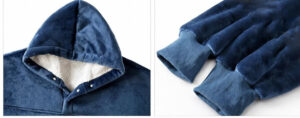
How hood design improves coziness
- Adjustable drawstrings allow personalized fit
- Loose drape avoids pressure on the head or neck
- Lined hoods add insulation
- Large hoods provide a relaxed aesthetic
The hood also creates a casual and protective style that feels comfortable.
Why cuffs, hems, and waistbands matter
Ribbed cuffs, hem bands, and waistbands improve hoodie fit and comfort by stabilizing the garment while keeping movement flexible.
Elasticized ribbing prevents sleeves from sliding, keeps the body warmer, and allows freedom of motion without restricting the wearer.
These details enhance both comfort and garment longevity.
How ribbed trims work
- Conforms to wrists, waist, and hips
- Reduces cold drafts
- Maintains shape after repeated washing
- Adds subtle structure to a relaxed fit
Ribbed construction is essential in achieving the iconic hoodie silhouette.
How hoodie materials affect breathability
While hoodies are warm, they should also allow airflow to prevent overheating.

Cotton and bamboo fabrics are naturally breathable, while polyester-based blends may include moisture-wicking finishes to maintain comfort during activity.
Breathable fabrics improve comfort for both indoor and outdoor use.
Breathable fabrics in hoodies
| Fabric Type | Breathability |
|---|---|
| Cotton | High |
| Bamboo | Very high |
| Polyester Fleece | Moderate; can wick moisture |
| Cotton-Poly Blend | Balanced |
Choosing breathable fabrics ensures hoodies remain comfortable even in active scenarios.
Why moisture-wicking is important
- Reduces sweat accumulation
- Keeps wearer dry
- Prevents sticky or clammy feeling
- Improves overall comfort
This is particularly important for athletic hoodies.
Why psychological factors enhance hoodie comfort
Beyond fabric and fit, psychological comfort plays a role. Hoodies are often associated with relaxation, leisure, and casual style.
The relaxed appearance and soft texture of hoodies can evoke a sense of security and coziness, contributing to perceived comfort.
The psychological association of comfort reinforces the physical benefits of the garment.
How design evokes comfort
- Oversized silhouettes signal relaxation
- Soft, brushed fabrics create tactile pleasure
- Neutral or muted colors contribute to a calming effect
- Hood and pocket designs enhance a sense of security
These features make hoodies feel emotionally and physically comforting.
Are hoodies better for layering?
Hoodies are excellent for layering due to their flexible fit and lightweight fabrics.
A hoodie can be worn under jackets, over T-shirts, or even as a mid-layer under coats, making them versatile and contributing to comfort across temperatures.
At Fusionknits, layering compatibility is considered during hoodie design.
Layering benefits
- Provides adjustable warmth
- Allows movement without bulk
- Enhances fashion versatility
- Supports indoor-outdoor use
Layering flexibility increases overall hoodie usability.
How does fabric finishing improve hoodie comfort?
Finishing processes enhance softness, drape, and thermal performance. Premium hoodies may include brushed fleece, enzyme washing, or softening treatments.
Finishing improves the tactile feel, reduces pilling, and enhances overall comfort in hoodies.
Fabric finishing is particularly important for maintaining long-term wearability.
Common finishing treatments
| Finish Type | Purpose |
|---|---|
| Brushed finish | Enhances softness |
| Enzyme washing | Reduces pilling |
| Sanforization | Controls shrinkage |
| Softener finish | Improves hand feel |
These treatments contribute to premium hoodie performance.
Why hoodie construction affects comfort
Stitching, seam placement, and paneling influence how a hoodie feels when worn.
Proper construction reduces irritation, allows better movement, and maintains garment shape, enhancing overall comfort.
At Fusionknits, detailed construction planning is crucial in hoodie development.
Construction factors
- Flatlock stitching reduces chafing
- Ergonomic panels enhance mobility
- Reinforced shoulder seams improve durability
- Side panels support relaxed fit without bagginess
Proper garment engineering balances comfort, style, and performance.
Conclusion
Hoodies are comfy because they combine soft, breathable fabrics, relaxed or oversized fits, insulating properties, functional hoods, and ribbed hems and cuffs. Materials like cotton, bamboo, polyester blends, and French Terry provide softness, warmth, stretch, and breathability. Well-designed hoods, seams, and construction enhance movement, layering potential, and long-term wear comfort.
Psychological factors, including the relaxed look, casual styling, and association with comfort and leisure, further enhance the cozy perception of hoodies. Finishing processes such as brushed fleece or enzyme washing improve softness and durability. Combined, these elements make hoodies ideal for everyday casual wear, loungewear, and even activewear, ensuring they remain one of the most beloved garments in modern wardrobes.
At Fusionknits, we focus on fabric quality, construction, and ergonomic design to create hoodies that maximize comfort, style, and performance for global brands. By combining thoughtful material selection, precise engineering, and aesthetic design, hoodies continue to provide exceptional comfort across a wide range of markets and consumer preferences.