Many people own more clothes than they actually wear. But a full closet does not always make dressing easier. In many cases, too many options create more confusion, slower decisions, and less consistency in personal style.
The 3-3-3 rule for clothing is a simple wardrobe method that uses 3 tops, 3 bottoms, and 3 pairs of shoes to create multiple outfits from a small number of pieces. The goal is not strict limitation. The goal is to make dressing easier, more intentional, and more practical.
At Fusionknits, we see this rule as more than a styling trend. We see it as a useful way to understand how real wardrobes work. It shows that versatility, fabric choice, fit, and product coordination matter more than owning a large number of random garments.
How does the 3-3-3 rule for clothing work?
The 3-3-3 rule works by reducing wardrobe choices into a small and usable system. Instead of relying on volume, it relies on coordination.
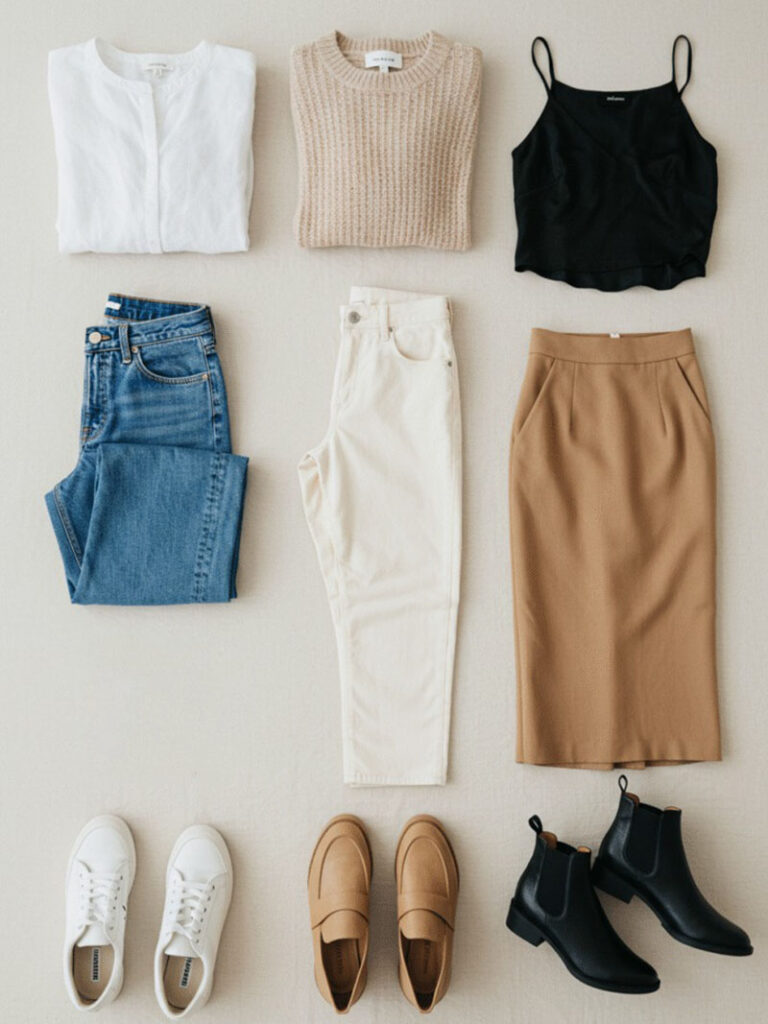
The 3-3-3 rule works by selecting 3 tops, 3 bottoms, and 3 pairs of shoes that can all be worn together in different combinations. This creates a compact wardrobe system that saves time, reduces decision fatigue, and makes outfit planning more efficient.
The strength of this rule is its simplicity. A person does not need to stand in front of a crowded closet every morning and guess what might work. The pieces are already chosen with compatibility in mind.
From a product point of view, this rule depends on balance. The tops should not all have the same function. The bottoms should not all serve the same setting. The shoes should also support different uses, such as casual wear, smart casual dressing, or travel.
A simple 3-3-3 wardrobe example
- 3 tops
- one basic T-shirt
- one button shirt
- one knit top or sweatshirt
- 3 bottoms
- one pair of jeans
- one pair of chinos or trousers
- one pair of casual shorts or relaxed pants
- 3 pairs of shoes
- one pair of sneakers
- one pair of loafers or clean casual shoes
- one pair of functional shoes or boots
Why the method feels practical
It removes low-value choices
Too many similar garments often create clutter, not freedom.
It improves outfit coordination
Because each piece must work with the others, the wardrobe becomes easier to use.
It highlights product function
Every item needs a purpose. That creates stronger buying decisions.
What makes the system work well
| Element | Why it matters |
|---|---|
| Color coordination | Helps all pieces mix more easily |
| Fabric balance | Supports comfort across different uses |
| Fit consistency | Makes the wardrobe feel more intentional |
| Style range | Covers casual, daily, and slightly dressed-up needs |
For this reason, the 3-3-3 rule is not really about having less for the sake of less. It is about building a smaller wardrobe that works better.
Why do people use the 3-3-3 rule in the first place?
Most people do not use the 3-3-3 rule because they want to follow a strict fashion formula. They use it because dressing often feels less efficient than it should.

People use the 3-3-3 rule because it simplifies dressing, reduces unnecessary shopping, and helps them build a wardrobe around pieces they actually wear. It is often used for daily life, travel, closet resets, and more intentional buying habits.
Many wardrobes grow in an unplanned way. People buy items because of discounts, trends, or impulse. After some time, they end up with a closet full of pieces that do not coordinate well. The result is a wardrobe with high quantity but low usability.
At Fusionknits, we think this is also why product planning matters so much for brands and retailers. End users often respond better to garments that are easy to combine, easy to repeat, and easy to trust.
Common reasons people adopt the 3-3-3 rule
- They want a simpler morning routine
- They want to travel with fewer items
- They want to stop overbuying
- They want more outfit consistency
- They want to test a capsule wardrobe mindset
What the rule helps reduce
Closet clutter
A smaller selection often makes the wardrobe easier to manage.
Decision fatigue
Fewer but better choices usually lead to faster daily dressing.
Unplanned purchases
When people understand what their wardrobe actually needs, they often buy with more purpose.
A practical view from the apparel side
| Problem in a typical wardrobe | What the 3-3-3 rule encourages instead |
|---|---|
| Too many similar items | Clear product differentiation |
| Trend-based impulse buying | Intentional buying |
| Poor outfit coordination | Built-in mix-and-match use |
| Low repeat wear | Higher wear value per piece |
This is one reason minimalist wardrobe ideas continue to attract attention. They connect style with practical use.
What kind of clothing pieces work best in a 3-3-3 wardrobe?
Not every garment works well in a small wardrobe system. Some pieces are too seasonal. Some are too trend-driven. Some are too hard to pair with other items.
The best clothing pieces for a 3-3-3 wardrobe are versatile, comfortable, easy to style, and suitable for repeated wear. Neutral colors, reliable fits, and balanced fabric choices usually perform better than highly specific fashion pieces.
A small wardrobe needs high coordination. That means each piece should be useful more than once and in more than one setting. A T-shirt that only works with one bottom is weaker than a T-shirt that works with all three bottoms.
At Fusionknits, we often think about garments in terms of repeat value. A strong product is not only attractive on the first wear. It is easy to wear again and again.
Strong product traits for a 3-3-3 wardrobe
- Easy to match
- Comfortable across long wear
- Suitable for multiple settings
- Durable enough for repeat use
- Timeless rather than overdesigned
Good top options
Basic T-shirt
A clean T-shirt is often the strongest base item in a compact wardrobe.
This adds structure and gives the wardrobe a more polished option.
Sweatshirt, knit, or overshirt
This helps cover layering needs and more relaxed styling.
Good bottom options
- Straight jeans
- Chinos
- Tailored casual trousers
- Relaxed utility pants
- Clean shorts for warm weather
Good footwear options
- Clean sneakers
- Loafers or minimal leather shoes
- Boots or practical all-day shoes
Product selection principles
| Product type | What to look for |
|---|---|
| Tops | Versatile neckline, stable fit, easy color |
| Bottoms | Clean silhouette, repeat-wear comfort |
| Shoes | Range of use, comfort, styling flexibility |
A successful 3-3-3 wardrobe depends more on product quality and versatility than on fashion novelty. That is why fit, material, and color discipline matter so much.
How should colors and fabrics be chosen for the 3-3-3 rule?
The 3-3-3 rule only works well when the pieces connect with each other. Color and fabric are two of the biggest reasons why some small wardrobes work smoothly and others do not.
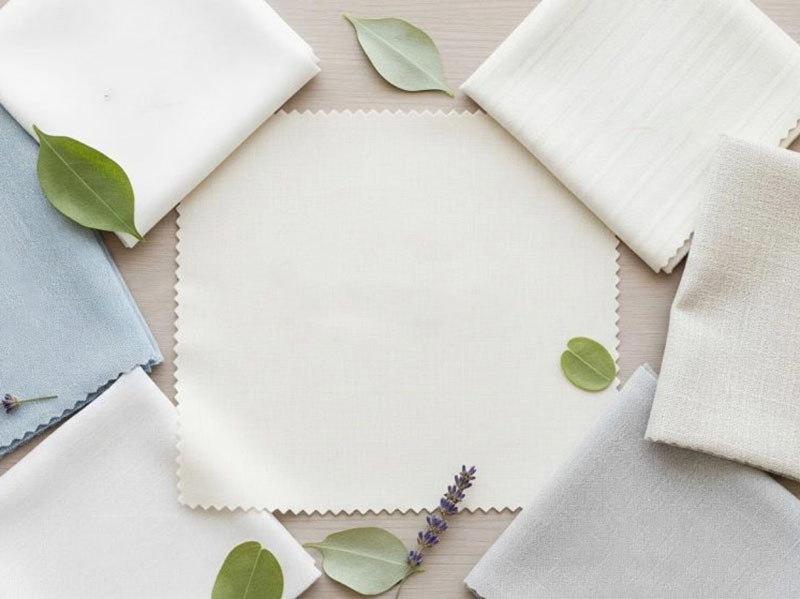
Colors and fabrics for the 3-3-3 rule should be chosen for coordination, comfort, and repeat wear. Neutral shades, balanced textures, and practical materials usually create more outfit combinations and better long-term use.
One common mistake is choosing all pieces based on separate appeal. A shirt may look strong on its own but may not work with the rest of the wardrobe. In a limited system, every material and every color choice carries more weight.
At Fusionknits, we see this clearly in collection planning. A line of garments becomes stronger when the materials and colors support cross-styling instead of competing for attention.
Common color strategies that work well
- White, black, grey, navy
- Olive, beige, brown
- Soft blue or muted earth tones
- One accent color at most if needed
Why neutrals usually perform better
They mix more easily
A smaller wardrobe needs high pairing efficiency.
They reduce visual conflict
This helps the whole wardrobe feel more intentional.
They extend product life
Timeless colors often stay usable longer than strong trend shades.
Fabric choices that support the rule
- Cotton jersey for daily tops
- Oxford cotton for structured shirts
- Cotton twill or chino fabric for bottoms
- Denim for durability
- Knit fabrics for comfort and movement
Material questions worth asking
| Fabric point | Why it matters |
|---|---|
| Breathability | Supports long daily wear |
| Weight | Affects layering and seasonality |
| Wrinkle behavior | Changes practicality in travel and work |
| Durability | Matters more in a small wardrobe |
| Hand feel | Influences repeat use |
When a person wears fewer garments more often, product quality becomes more visible. In that kind of wardrobe, weak fabric and unstable fit show up quickly.
Is the 3-3-3 rule useful for travel, lifestyle, and shopping decisions?
The 3-3-3 rule is often discussed as a general wardrobe idea, but its real value becomes more obvious in practical situations.
The 3-3-3 rule is useful for travel, daily lifestyle management, and shopping decisions because it creates a clear limit that helps people pack lighter, dress faster, and buy only what adds real value to their wardrobe.
For travel, the rule provides a simple framework. Instead of packing “just in case” clothing, the traveler packs a small set of coordinated items. That often leads to fewer bags and less packing stress.
For daily life, the rule acts like a filter. It helps people see whether a new item really adds function or whether it only adds volume.
At Fusionknits, we think this is also relevant for apparel brands. Buyers today often pay more attention to wardrobe efficiency. Products that mix well with existing essentials are easier to sell than products that require a whole new styling context. :contentReference[oaicite:1]{index=1}
Travel benefits of the 3-3-3 rule
- Lighter packing
- Easier outfit planning
- Less wardrobe anxiety during trips
- Better luggage efficiency
Shopping benefits of the rule
It creates a clearer standard
A new item should improve the wardrobe, not just increase the count.
It reveals overlap
If a person already owns three strong tops, the fourth should add a real new function.
It supports quality-first buying
A smaller wardrobe often pushes people to choose better garments.
A useful buying filter
| Question | Why it helps |
|---|---|
| Can this item work with at least two other pieces? | Tests versatility |
| Does it replace a weak item or only add clutter? | Tests function |
| Can I wear it in more than one setting? | Tests usability |
| Is the fabric good enough for repeat wear? | Tests quality |
This is where the rule becomes more than a social media idea. It becomes a practical tool for better wardrobe management.
What are the limits of the 3-3-3 rule for real wardrobes?
The 3-3-3 rule is useful, but it is not perfect for every person, climate, or routine. A wardrobe method should support real life, not fight against it.

The main limit of the 3-3-3 rule is that it can be too simplified for people with different dress codes, weather conditions, work demands, or seasonal needs. It works best as a guide, not as a rigid rule.
A person with a formal office job may need a different wardrobe structure from someone who works remotely. A person living in a four-season climate may need more layering pieces than someone in a warm region.
At Fusionknits, we prefer to treat wardrobe formulas as planning tools. They are useful when they create clarity, but they should still adapt to actual use.
Situations where the rule may need adjustment
- Strong seasonal weather changes
- Formal workplace dress codes
- Special event schedules
- Athletic or outdoor-heavy lifestyles
- Uniform-based work routines
Practical ways to adapt the rule
Add one layer category
For colder weather, outerwear may need separate planning.
Use it as a rotation test
Some people use the rule for one week, a trip, or one season instead of all year.
Focus on principles, not exact numbers
The real value is wardrobe discipline, not mathematical purity.
A balanced way to think about it
| Strict rule view | Practical wardrobe view |
|---|---|
| Exactly 3 tops, 3 bottoms, 3 shoes | A small coordinated system |
| Hard limitation | Flexible framework |
| Minimal quantity only | Better versatility and quality |
| One-size-fits-all | Lifestyle-based adjustment |
This kind of balance matters. A useful wardrobe system should make life easier, not more restrictive.
What can brands and manufacturers learn from the 3-3-3 rule?
Even though the 3-3-3 rule is a consumer wardrobe concept, it still offers useful lessons for brands, retailers, and manufacturers.
Brands and manufacturers can learn from the 3-3-3 rule that consumers value versatility, repeat wear, easy coordination, and product reliability. These priorities can influence how garments are designed, merchandised, and produced.
At Fusionknits, we believe this rule highlights something very important in modern apparel development: people do not only buy garments. They buy usable wardrobe value.
A top that pairs easily with different bottoms has stronger commercial logic. A product with stable fit and durable fabric supports repeat wear. A small but coordinated collection often feels more convincing than a large but fragmented one.
Product lessons for brands
- Build around versatile core items
- Use color stories that mix easily
- Prioritize reliable fit
- Choose fabrics that support repeat use
- Reduce unnecessary design noise
Manufacturing lessons behind the rule
Fabric quality matters more
When garments are worn more often, poor materials show faster.
Fit consistency becomes critical
A wardrobe essential must be dependable every time it is worn.
Product development should support coordination
Single-item design is not enough. Collection logic matters too.
What this means for apparel development
| Consumer need | Product response |
|---|---|
| Easy styling | Versatile silhouettes |
| Repeat wear | Better fabric and sewing quality |
| Smaller wardrobe | Stronger essentials |
| Less wasteful buying | Better product planning |
For manufacturers, this kind of rule is a reminder that practical clothing often wins over excessive complexity.
Conclusion
The 3-3-3 rule for clothing is a simple wardrobe method built around 3 tops, 3 bottoms, and 3 pairs of shoes that can work together in multiple combinations. Its value comes from clarity, coordination, and repeat wear rather than strict minimalism alone.
From a professional apparel point of view, the rule also shows why versatile design, reliable fit, and durable materials matter so much. At Fusionknits, we see the 3-3-3 rule as a useful reminder that a strong wardrobe is not built by owning more pieces. It is built by choosing better ones that work harder, wear longer, and fit more naturally into everyday life.