Sports shorts are a key part of athletic apparel, providing comfort, mobility, and performance support. Choosing the right material is essential for functionality, breathability, and durability.
The best materials for sports shorts are lightweight, moisture-wicking, stretchable, and durable fabrics such as polyester, nylon, spandex blends, or technical performance fabrics. Material selection depends on the type of sport, climate, activity intensity, and desired comfort.
At Fusionknits, we manufacture sports shorts using specialized fabrics that optimize performance, fit, and long-term wearability for global activewear brands.
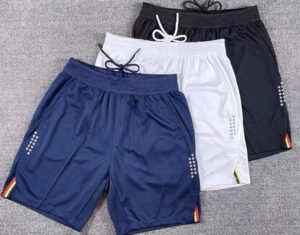
Why fabric choice is critical for sports shorts
Fabric determines how sports shorts handle moisture, flexibility, heat, and wear over time. A poor choice can lead to discomfort, restricted movement, or short product lifespan.
Sports shorts require fabrics that combine breathability, stretch, moisture management, and durability to support optimal performance during training and competition.
Material selection also affects aesthetic appeal and brand perception.
Key fabric functions
- Moisture-wicking to keep the body dry
- Stretch for unrestricted movement
- Lightweight construction for mobility
- Durable weave for long-term use
- Breathable fibers to regulate temperature
Choosing the wrong fabric compromises both comfort and performance.
Why polyester is popular for sports shorts
Polyester is one of the most common fabrics in activewear because it is strong, lightweight, and moisture-wicking.

Polyester is often considered the best material for sports shorts because it resists moisture, dries quickly, and maintains shape during intense physical activity.
At Fusionknits, polyester fabrics are used in running shorts, training shorts, and team uniforms.
Advantages of polyester
- Dries quickly during workouts
- Resists shrinking and wrinkling
- Maintains color after repeated washing
- Lightweight and durable
- Supports performance printing
These features make polyester ideal for both professional and recreational athletes.
Common polyester constructions
| Fabric Type | Benefits |
|---|---|
| Interlock Polyester | Smooth texture, stretch |
| Mesh Polyester | Enhanced ventilation |
| Microfiber Polyester | Lightweight comfort |
| Polyester-Spandex | Flexibility and mobility |
Polyester is versatile for different sport types and performance requirements.
Why nylon is used in sports shorts
Nylon is another synthetic fiber often used for sports shorts due to its smooth feel, durability, and fast-drying properties.
Nylon is preferred in performance sports shorts because it provides superior abrasion resistance, lightweight comfort, and soft hand feel against the skin.
Many high-end training and running shorts incorporate nylon blends for premium performance.
Benefits of nylon
- Soft and comfortable
- Strong and resistant to tearing
- Smooth surface reduces friction
- Quick-drying properties
- Lightweight for high-intensity activity
Nylon works well for sports requiring dynamic movement and frequent washing.
Common nylon blends
| Blend Type | Advantages |
|---|---|
| Nylon-Spandex | Maximum stretch and shape retention |
| Nylon-Polyester | Durability with moisture control |
| Nylon-Mesh | Breathability and airflow |
Blends allow manufacturers to customize shorts for specific performance goals.
Why spandex or elastane is important
Stretchable fabrics are essential in sports shorts to allow unrestricted movement and recovery after bending, running, or squatting.
Most performance sports shorts include a percentage of spandex or elastane (5–15%) to improve mobility, maintain shape, and enhance fit.
At Fusionknits, we integrate spandex strategically in fabrics for optimal movement.

Advantages of stretch fabrics
- Four-way stretch for dynamic motion
- Shape recovery after repeated use
- Reduced fabric tension on joints
- Improved comfort during high-intensity activity
- Better fit for various body types
Stretch fibers complement polyester or nylon bases to create functional sportswear.
Stretch fabrics in popular sports shorts
| Fabric | Stretch Percentage | Best Use |
|---|---|---|
| Polyester-Spandex | 5–10% | Running, training |
| Nylon-Spandex | 10–15% | Yoga, high-mobility workouts |
| Mesh-Elastic Blend | 5% | Aerobic or gym shorts |
Proper stretch ensures sports shorts support performance without restricting movement.
Why moisture-wicking fabrics improve comfort
Sweat accumulation can reduce comfort and performance. Moisture-wicking fabrics move sweat away from the skin, keeping athletes dry.
Sports shorts made from moisture-wicking polyester or nylon blends enhance comfort, reduce chafing, and maintain fabric weight during activity.
At Fusionknits, moisture management is a key consideration in performance shorts.
Benefits of moisture-wicking fabrics
- Rapid sweat absorption and evaporation
- Prevents skin irritation and chafing
- Lightweight feeling even during heavy exercise
- Improved temperature regulation
- Enhances athletic performance
This is particularly important for high-intensity or endurance sports.
Common moisture-wicking techniques
- Technical polyester yarns with hydrophobic fibers
- Knit structures that enhance airflow
- Microfiber finishes to accelerate evaporation
- Blended fabrics with spandex for stretch and breathability
These techniques ensure sports shorts remain comfortable under strenuous conditions.
How fabric weight affects performance
Fabric weight, measured in grams per square meter (GSM), influences warmth, mobility, and comfort.

Lightweight fabrics (120–180 GSM) are ideal for running and high-intensity training, while heavier fabrics (200–260 GSM) are better for colder conditions or structured shorts.
At Fusionknits, fabric weight is tailored to activity type and climate.
Typical fabric weight ranges
| Activity Type | Recommended GSM |
|---|---|
| Running | 120–160 GSM |
| Gym Training | 140–180 GSM |
| Outdoor Sports | 180–220 GSM |
| Casual or Fashion Shorts | 200+ GSM |
Fabric weight impacts comfort, breathability, and garment drape.
Why blends are often better than single fibers
Single-fiber fabrics may lack either stretch, durability, or moisture management. Blends combine the advantages of multiple fibers.
Blended fabrics, such as polyester-spandex or nylon-spandex, are often the best choice for sports shorts because they balance stretch, comfort, durability, and moisture control.
At Fusionknits, blend ratios are optimized for intended sport activity.
Advantages of fabric blends
- Improved stretch and recovery
- Balanced moisture management
- Reduced shrinkage and deformation
- Enhanced durability
- Better color retention
Blends allow technical customization for different sports.
Popular fabric blends
| Blend | Benefits |
|---|---|
| Polyester-Spandex | Comfort and stretch |
| Nylon-Spandex | Durability and flexibility |
| Polyester-Mesh | Ventilation and breathability |
| Cotton-Polyester | Softness with durability |
Blends can be tailored for running, gym, or multi-sport use.
Why ventilation and mesh panels matter
Breathability is critical for comfort in activewear. Many sports shorts include mesh panels or perforated fabrics for enhanced airflow.
Mesh-enhanced sports shorts improve ventilation, reduce sweat accumulation, and maintain comfort during prolonged activity.
At Fusionknits, mesh integration is strategically placed in high-sweat zones.
Common mesh applications
| Mesh Location | Purpose |
|---|---|
| Side panels | Increased airflow |
| Inner thigh | Reduced friction and sweat |
| Back panel | Enhanced cooling |
| Waistband lining | Breathable comfort |
Proper mesh placement supports comfort without sacrificing durability.
How durability affects material selection
Sports shorts must endure repeated use, frequent washing, and high-intensity activity.
Materials like polyester and nylon are preferred for their abrasion resistance, color retention, and ability to maintain shape over time.
At Fusionknits, we emphasize both performance and long-term durability in fabric choice.
Durability testing areas
- Seam strength and stretch recovery
- Fabric abrasion resistance
- Colorfastness to sweat and washing
- Pilling resistance
- Fabric weight stability
These tests ensure sports shorts remain functional after repeated use.
Are sustainable fabrics used in sports shorts?
Sustainability has become increasingly important in sportswear manufacturing. Many brands now seek eco-friendly options like recycled polyester or organic nylon blends.
Sports shorts can be made from recycled polyester, bamboo blends, or low-impact dyed fabrics to reduce environmental impact without compromising performance.
At Fusionknits, sustainable fabrics are integrated into activewear collections globally.
Common sustainable sports fabrics
| Material | Sustainability Benefit |
|---|---|
| Recycled Polyester | Reduces plastic waste |
| Organic Nylon | Renewable and energy-efficient |
| Bamboo-Poly Blend | Soft and eco-friendly |
| Low-Impact Dyed Polyester | Reduces water and chemical use |
Sustainable options are increasingly important for premium and ethical brands.
How to choose the best material for a specific sport
Different sports require tailored fabric properties. Running shorts emphasize lightweight breathability, while gym shorts require stretch and durability.
The best material depends on activity type, climate, sweat levels, mobility requirements, and garment aesthetics.
At Fusionknits, fabric selection is guided by activity-specific performance analysis.
Recommended fabrics by sport
| Sport | Fabric Recommendation |
|---|---|
| Running | Polyester-Mesh, lightweight |
| Gym Training | Polyester-Spandex, stretchable |
| Yoga | Nylon-Spandex, flexible |
| Outdoor Sports | Polyester-Fleece, insulated |
| Casual or Fashion | Cotton-Polyester blends, comfort-focused |
Choosing the right fabric ensures optimal performance and comfort.
Conclusion
The best material for sports shorts depends on performance requirements, comfort, and activity type. Lightweight, moisture-wicking, stretchable, and durable fabrics such as polyester, nylon, and spandex blends are generally ideal. Mesh panels and breathable constructions enhance airflow, while proper fabric weight and insulation improve comfort across climates.
Blended fabrics offer the best balance between mobility, moisture management, and durability, making them suitable for running, gym training, yoga, or outdoor sports. Sustainable fabrics such as recycled polyester or bamboo blends provide eco-friendly alternatives without compromising performance.
At Fusionknits, careful fabric selection, blend optimization, and technical garment construction ensure sports shorts deliver maximum comfort, durability, and performance for a wide range of athletic activities.