When sourcing premium cotton fabrics, buyers often encounter two terms that seem almost identical: Pima cotton and Supima cotton. Both are known for their softness, durability, and luxurious feel. However, many apparel brands, wholesalers, and consumers are unsure whether there is a meaningful difference between the two.
The main difference is that Pima cotton refers to a type of extra-long staple cotton, while Supima cotton is a trademarked brand of American-grown Pima cotton that must meet strict quality and traceability standards. All Supima cotton is Pima cotton, but not all Pima cotton qualifies as Supima cotton.
At Fusionknits, we regularly work with premium cotton fabrics for T-shirts, polos, hoodies, and activewear. Understanding the distinction between Pima and Supima cotton helps brands make better sourcing decisions and communicate product value more effectively.
What is Pima cotton?
Before comparing the two materials, it is important to understand what Pima cotton actually is.
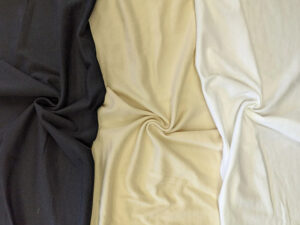
Pima cotton is an extra-long staple (ELS) cotton known for its exceptional softness, strength, and durability. It is grown in several countries, including the United States, Peru, Australia, and parts of South America.
The defining characteristic of Pima cotton is its fiber length.
What makes Pima cotton special?
Pima cotton fibers are significantly longer than standard cotton fibers.
| Cotton Type | Average Fiber Length |
|---|---|
| Regular Cotton | 0.8–1.2 inches |
| Long-Staple Cotton | 1.2–1.4 inches |
| Pima Cotton | 1.4 inches and above |
Longer fibers create smoother and stronger yarns.
Benefits of Pima cotton
- Superior softness
- Enhanced durability
- Reduced pilling
- Better color retention
- Improved fabric strength
These advantages make Pima cotton a preferred material for premium apparel.
What is Supima cotton?
Many people assume Supima is a different type of cotton, but that is not entirely accurate.

Supima cotton is a licensed trademark that represents premium American-grown Pima cotton that meets strict Supima certification standards.
The name itself combines two words:
- Superior
- Pima
This branding helps distinguish certified cotton from generic Pima cotton.
Requirements for Supima certification
For cotton to be labeled as Supima, it must:
- Be grown in the United States
- Meet strict fiber quality standards
- Be traceable through the supply chain
- Be licensed by the Supima organization
These requirements create additional quality assurance.
Why Supima exists
The Supima program was created to:
- Protect quality standards
- Prevent mislabeling
- Promote traceability
- Support American cotton growers
This helps brands market premium products with confidence.
Is Supima cotton better than Pima cotton?
This is one of the most common questions buyers ask.
Supima cotton is not necessarily a different fiber from Pima cotton, but it is generally considered more consistent because it must meet strict certification standards.
The difference is often about quality control rather than genetics.
Comparison overview
| Feature | Pima Cotton | Supima Cotton |
|---|---|---|
| Fiber Type | Extra-Long Staple | Extra-Long Staple |
| Origin | Multiple Countries | United States Only |
| Certification | Not Required | Required |
| Traceability | Varies | Guaranteed |
| Quality Consistency | Variable | Very High |
The fibers are similar, but the quality assurance differs.
Why consistency matters
For apparel brands, consistency affects:
- Fabric performance
- Garment quality
- Customer satisfaction
- Brand reputation
This is why many premium brands choose Supima.
How does fiber quality compare?
Fiber quality is the foundation of any cotton fabric.
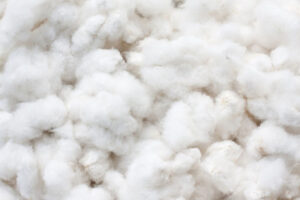
Both Pima and Supima cotton use extra-long staple fibers, but Supima cotton is subject to additional grading and quality verification. This creates greater consistency across production batches.
Key fiber characteristics
- Length
- Strength
- Uniformity
- Fineness
These factors determine yarn quality.
Why longer fibers matter
Long fibers create:
- Smoother yarns
- Softer fabrics
- Better durability
- Less lint generation
This is one reason premium cotton feels noticeably different.
How does softness differ between Pima and Supima?
Softness is often the first thing consumers notice when touching a premium cotton garment.
Both Pima and Supima cotton are exceptionally soft, but Supima often provides more consistent softness because of stricter quality controls. Fiber length and cotton fiber length and softness are key factors.
The difference may be subtle but can become noticeable across large production volumes.
Factors influencing softness
| Factor | Impact |
|---|---|
| Fiber Length | Very High |
| Yarn Quality | High |
| Fabric Construction | High |
| Finishing Process | High |
Cotton quality is only one part of the equation.
Why fabric finishing matters
Premium finishing techniques include:
- Enzyme washing
- Silicon softening
- Fabric compaction
These treatments enhance softness further.
Which cotton is more durable?
Durability is particularly important for premium apparel.

Both Pima and Supima cotton are significantly stronger than regular cotton because their longer fibers create stronger yarn structures.
However, Supima's quality consistency often provides a durability advantage.
Durability benefits
- Better tensile strength
- Reduced pilling
- Improved shape retention
- Longer garment lifespan
These characteristics support premium pricing.
Common durability comparison
| Fabric Type | Relative Durability |
|---|---|
| Regular Cotton | Standard |
| Pima Cotton | High |
| Supima Cotton | Very High |
Durability becomes especially important for luxury basics.
How do sourcing and traceability differ?
One of the biggest differences between Pima and Supima lies in supply chain transparency.
Supima cotton offers guaranteed traceability because every stage of production must comply with certification standards.
Generic Pima cotton may come from multiple sources.
Benefits of traceability
- Supply chain transparency
- Quality verification
- Reduced risk of fraud
- Brand protection
These benefits appeal to premium apparel brands.
Why buyers value traceability
Modern consumers increasingly want:
- Product transparency
- Ethical sourcing
- Verified quality claims
Traceability supports these expectations.
Why is Supima cotton more expensive?
Supima products often carry higher price tags.
Supima cotton costs more because of certification fees, stricter quality standards, limited supply, and traceability requirements.
Additional oversight increases production costs.
Factors driving Supima pricing
- Premium fiber selection
- Certification programs
- Supply chain monitoring
- Limited production volumes
These factors contribute to higher market value.
Typical cost comparison
| Cotton Type | Relative Cost |
|---|---|
| Regular Cotton | Low |
| Pima Cotton | Medium-High |
| Supima Cotton | High |
Brands often position Supima products as luxury offerings.
Which cotton is better for T-shirts?
Premium T-shirts are one of the largest applications for both materials.
Both Pima and Supima cotton are excellent choices for premium T-shirts because they provide softness, durability, and excellent comfort.
The final choice often depends on brand positioning.
Benefits include:
- Better hand feel
- Reduced shrinkage
- Enhanced durability
- Luxury appearance
These advantages support premium pricing.
Popular garment categories
| Product | Pima | Supima |
|---|---|---|
| T-Shirts | Excellent | Excellent |
| Polo Shirts | Excellent | Excellent |
| Hoodies | Good | Very Good |
| Luxury Basics | Good | Excellent |
Both materials perform well in apparel manufacturing.
Can consumers tell the difference?
Many consumers wonder whether they can actually feel the difference between the two.
Most consumers will notice that both fabrics feel exceptionally soft and durable, but the difference between high-quality Pima and Supima cotton is often subtle.
Construction and finishing can sometimes have a greater impact than fiber source.
Factors consumers notice most
- Softness
- Fabric weight
- Drape
- Fit
- Finishing quality
These elements influence perception.
Why garment construction matters
Even the best cotton can feel average if:
- Yarn quality is poor
- Knitting is inconsistent
- Finishing is inadequate
Manufacturing quality remains critical.
How should brands choose between Pima and Supima?
The decision depends on product positioning and target customers.
Brands seeking maximum traceability and premium marketing advantages often choose Supima cotton, while brands focused on balancing quality and cost may choose high-quality Pima cotton.
At Fusionknits, we help clients evaluate both options based on their goals.
Questions brands should ask
- What is the target retail price?
- Is traceability important?
- What level of quality consistency is required?
- How important is brand storytelling?
- What market segment is being targeted?
The answers guide sourcing decisions.
Recommended usage
| Brand Positioning | Recommended Cotton |
|---|---|
| Luxury Brand | Supima |
| Premium Brand | Pima or Supima |
| Mid-Premium Brand | Pima |
| Sustainable Collection | Either with certification |
Both materials can create exceptional products when properly sourced.
Conclusion
The difference between Pima and Supima cotton is primarily about certification, origin, and quality assurance rather than fiber type. Pima cotton refers to extra-long staple cotton grown in several countries, while Supima cotton is a trademarked form of American-grown Pima cotton that must meet strict standards for quality, consistency, and traceability. All Supima cotton is Pima cotton, but only a small percentage of Pima cotton qualifies as Supima.
Both materials offer exceptional softness, durability, strength, and comfort compared to regular cotton. They are widely used in premium T-shirts, polo shirts, hoodies, and luxury basics because of their superior performance and long-lasting quality. While Supima cotton often commands a higher price due to certification and traceability, high-quality Pima cotton can also deliver outstanding results when sourced from reputable suppliers.
At Fusionknits, we believe the best choice depends on your brand strategy, target market, and product goals. Whether you choose Pima or Supima cotton, focusing on yarn quality, fabric construction, and garment manufacturing standards is ultimately what transforms premium cotton into a truly exceptional product.