Bomber jackets have remained one of the most versatile outerwear pieces for decades. Originally designed for military pilots, bomber jackets have evolved into fashion essentials that appear in streetwear, luxury collections, sportswear, and casual apparel. While the silhouette has changed over time, one question continues to come up among apparel buyers and consumers: which fabric is best for a bomber jacket?
The best fabric for a bomber jacket depends on its intended purpose. Nylon remains the most popular choice for classic bomber jackets due to its durability and lightweight performance, while polyester offers affordability, wool provides warmth, leather delivers luxury appeal, and cotton blends offer everyday comfort.
At Fusionknits, we manufacture bomber jackets for fashion brands, activewear companies, and outerwear labels worldwide. From our experience, fabric selection is one of the most important decisions during bomber jacket development because it affects appearance, durability, comfort, and production cost.
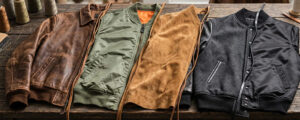
Why does fabric matter in a bomber jacket?
Many consumers focus on color or style, but fabric has a much greater impact on overall performance.
The fabric determines how a bomber jacket feels, performs, drapes, resists weather, and maintains its appearance over time.
Even two bomber jackets with identical designs can feel completely different depending on the materials used.
Key functions of bomber jacket fabrics
| Function | Importance |
|---|---|
| Durability | Very High |
| Comfort | High |
| Weather Resistance | High |
| Appearance | High |
| Weight | Medium-High |
| Maintenance | Medium |
The right fabric creates the balance between fashion and function.
Questions brands should ask
Before selecting a fabric, buyers should consider:
- Who is the target customer?
- Is the jacket fashion-focused or functional?
- What climate will it be worn in?
- What retail price is targeted?
- Is durability a priority?
These questions help narrow material options.
Why is nylon considered the classic bomber jacket fabric?
Nylon has been associated with bomber jackets since their military origins.

Nylon is often considered the best overall bomber jacket fabric because it is lightweight, durable, wind-resistant, and easy to maintain.
Most traditional MA-1 bomber jackets use nylon shells.
Advantages of nylon
- Lightweight
- Strong abrasion resistance
- Wind-resistant
- Quick-drying
- Easy to dye
These qualities made nylon ideal for military aviation use.
Why military bombers used nylon
Military requirements included:
- Reduced weight
- Weather protection
- Durability
- Ease of maintenance
Nylon successfully met all these needs.
Common nylon bomber applications
| Category | Popularity |
|---|---|
| Military Bombers | Very High |
| Streetwear Bombers | High |
| Casual Fashion | High |
| Technical Outerwear | High |
Nylon remains the industry standard.
Is polyester a good fabric for bomber jackets?
Polyester is another widely used material in modern bomber jacket production.
Polyester is a cost-effective bomber jacket fabric that offers durability, wrinkle resistance, color retention, and easy care.
Many commercial fashion brands use polyester extensively.
Benefits of polyester
- Lower cost
- Good durability
- Colorfastness
- Easy maintenance
- Lightweight performance
These features make polyester attractive for large-scale production.
Polyester vs nylon
| Feature | Polyester | Nylon |
|---|---|---|
| Cost | Lower | Higher |
| Durability | High | Very High |
| Softness | Moderate | Higher |
| Water Resistance | Good | Excellent |
Both fabrics perform well in bomber jackets.
Why brands choose polyester
Polyester allows:
- Competitive pricing
- Large-scale manufacturing
- Consistent quality
This makes it popular in mass-market outerwear.
Is leather the best fabric for luxury bomber jackets?
Leather bombers have become symbols of timeless style and premium fashion.
Leather is considered one of the best materials for luxury bomber jackets because it offers durability, structure, sophistication, and long-term value.
Many iconic bomber jacket designs use leather.
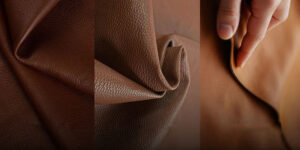
Advantages of leather
- Exceptional durability
- Premium appearance
- Natural insulation
- Unique aging characteristics
Leather develops character over time.
Common leather types
| Leather Type | Characteristics |
|---|---|
| Cowhide | Strong and durable |
| Lambskin | Soft and luxurious |
| Goatskin | Lightweight and flexible |
Each option serves a different market segment.
Challenges of leather
Leather also has limitations:
- Higher cost
- Greater weight
- Specialized care requirements
These factors influence purchasing decisions.
Why are wool bomber jackets popular?
Wool bomber jackets offer a completely different wearing experience.
Wool provides natural insulation, warmth, and a sophisticated appearance, making it ideal for fall and winter bomber jackets.
Wool bombers often target premium lifestyle markets.
Benefits of wool
- Excellent insulation
- Soft texture
- Premium aesthetic
- Natural temperature regulation
These qualities make wool attractive in colder climates.
Popular wool blends
| Fabric Blend | Benefits |
|---|---|
| Wool-Polyester | Durability and warmth |
| Wool-Nylon | Improved strength |
| Wool-Cashmere | Luxury softness |
Blends improve performance and reduce costs.
Why brands use wool blends
Blended fabrics often offer:
- Better shape retention
- Improved durability
- Lower production costs
This creates a balanced product.
Is cotton suitable for bomber jackets?
Cotton bombers provide comfort and casual appeal.

Cotton is an excellent choice for lightweight and everyday bomber jackets because it is breathable, comfortable, and versatile.
Cotton bombers are particularly popular in spring and fall.
Advantages of cotton
- Natural fiber
- Soft hand feel
- Breathability
- Easy customization
Consumers often appreciate cotton's comfort.
Common cotton bomber fabrics
- Cotton twill
- Cotton canvas
- Cotton sateen
- Cotton-poly blends
Each construction creates a unique appearance.
Limitations of cotton
Compared to synthetics, cotton:
- Absorbs moisture
- Dries slowly
- Offers less weather resistance
These factors should be considered.
Which fabric is best for cold-weather bomber jackets?
Cold-weather bombers require additional insulation.
Wool, leather, insulated nylon, and quilted polyester are among the best fabrics for winter bomber jackets because they provide warmth and protection.
The outer fabric and insulation must work together.
Popular winter bomber materials
| Fabric | Warmth Rating |
|---|---|
| Wool | Excellent |
| Leather | High |
| Insulated Nylon | High |
| Quilted Polyester | High |
Warmth depends on both shell fabric and lining.
Important insulation options
- Down filling
- Synthetic padding
- Sherpa lining
- Fleece lining
These additions enhance cold-weather performance.
Which fabric is best for lightweight bomber jackets?
Not every bomber jacket is designed for winter.
Nylon, polyester, and lightweight cotton fabrics are ideal for spring and summer bomber jackets because they provide comfort without excessive warmth.
Lightweight bombers remain highly popular.
Characteristics of lightweight bombers
- Breathable
- Easy to layer
- Comfortable for travel
- Suitable for changing weather
Consumers often prefer versatility.
Lightweight fabric comparison
| Fabric | Weight |
|---|---|
| Nylon | Very Light |
| Polyester | Light |
| Cotton | Moderate |
| Wool | Heavy |
Weight affects comfort and functionality.
Are sustainable fabrics becoming popular for bomber jackets?
Sustainability is becoming increasingly important in outerwear manufacturing.
Sustainable fabrics such as recycled nylon, recycled polyester, organic cotton, and eco-friendly blends are becoming popular choices for modern bomber jackets.
Many brands now prioritize environmental responsibility.
Popular sustainable options
- Recycled polyester
- Recycled nylon
- Organic cotton
- Recycled wool
These materials support sustainability initiatives.
Why consumers care
Modern shoppers increasingly value:
- Ethical sourcing
- Environmental impact reduction
- Product transparency
This trend influences material selection.
How does fabric affect bomber jacket pricing?
Fabric selection directly impacts production cost.
Premium materials such as leather, wool-cashmere blends, and heavyweight technical fabrics significantly increase bomber jacket manufacturing costs.
Material costs often determine market positioning.
Estimated material cost comparison
| Fabric | Relative Cost |
|---|---|
| Polyester | Low |
| Nylon | Medium |
| Cotton | Medium |
| Wool Blend | High |
| Leather | Very High |
Understanding fabric costs helps buyers plan budgets.
Premium materials often require:
- Better raw materials
- More complex processing
- Higher quality standards
These factors increase manufacturing expenses.
How should brands choose the best bomber jacket fabric?
There is no single fabric that works best for every bomber jacket.
The ideal bomber jacket fabric depends on the target market, climate, intended use, desired appearance, and budget.
At Fusionknits, we always begin fabric selection by understanding the end customer's needs.
Recommended fabrics by category
| Bomber Jacket Type | Recommended Fabric |
|---|---|
| Classic MA-1 | Nylon |
| Streetwear Bomber | Nylon or Polyester |
| Luxury Bomber | Leather |
| Winter Bomber | Wool Blend |
| Casual Lifestyle Bomber | Cotton Twill |
| Sustainable Bomber | Recycled Polyester |
Matching fabric to purpose produces the best results.
Common sourcing mistakes
Brands should avoid:
- Prioritizing cost over quality
- Ignoring climate requirements
- Choosing inappropriate fabric weights
- Overlooking maintenance requirements
Careful planning leads to better products.
Conclusion
The best fabric for a bomber jacket depends on the product's intended purpose, target customer, and market positioning. Nylon remains the most versatile and widely used option because of its lightweight durability, weather resistance, and strong connection to the bomber jacket's military heritage. Polyester offers affordability and easy maintenance, while cotton provides comfort and casual appeal. For premium collections, leather and wool continue to deliver superior aesthetics, warmth, and long-term value.
Each fabric offers unique strengths and limitations. Nylon and polyester excel in performance and versatility, leather dominates luxury fashion, wool provides exceptional insulation, and cotton remains a reliable choice for everyday wear. Modern sustainable materials such as recycled nylon and recycled polyester are also becoming increasingly important as consumers prioritize environmentally responsible products.
At Fusionknits, we believe successful bomber jacket development starts with selecting the right fabric for the intended application. Brands that align material choice with customer expectations, climate conditions, and product positioning can create bomber jackets that offer both strong market appeal and long-lasting performance.