In the activewear and casual apparel market, many buyers confuse sweatpants and jogger pants. Misunderstanding the differences can result in sourcing the wrong product, misaligning with customer expectations, and affecting overall sales performance.
Sweatpants and jogger pants are both designed for comfort, but they differ in fit, structure, and intended use. Sweatpants provide a loose, cozy silhouette suitable for lounging and recovery wear, while jogger pants feature a tapered leg and elastic cuffs, balancing style, mobility, and casual wear.
At Fusionknits, understanding these differences ensures that fabric selection, pattern design, and production processes meet buyer specifications and align with market trends.
Are Jogger and Sweatpants the Same?
Many apparel buyers use the terms interchangeably, but from a production standpoint, they are distinct garments with different market positioning.
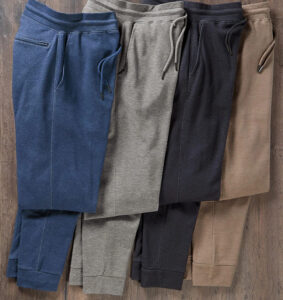
Sweatpants and joggers share similarities in soft fabrics and comfort-oriented construction, yet differ significantly in fit, design, and functionality. Sweatpants prioritize comfort with relaxed cuts, while joggers offer a slim fit with elastic cuffs suitable for active and casual wear.
Key Design Differences
| Feature | Sweatpants | Joggers |
|---|---|---|
| Fit | Loose and relaxed | Tapered, follows leg shape |
| Ankle Design | Straight or elastic | Elastic cuff |
| Style Focus | Comfort and warmth | Fashionable and versatile |
| Primary Use | Loungewear, homewear | Athleisure, light workouts, casual outings |
Fabric Considerations
Both garments use materials such as:
- Cotton fleece
- French terry
- Cotton-polyester blends
- Lightweight performance knits
Sweatpants often utilize thicker fabrics for insulation and comfort. Joggers frequently incorporate lighter, flexible fabrics to support mobility and everyday wear.
Market Positioning
Sweatpants are typically targeted at:
- Home and lounge segments
- Cold-weather casual wear
- Recovery and leisure collections
Joggers are targeted at:
- Streetwear and athleisure
- Gym or travel apparel
- Younger consumer segments
Accurately defining these distinctions helps brands avoid mislabeling, ensures consistency during production, and improves market acceptance.
Are Joggers Tighter Than Sweatpants?
Fit is a primary factor that separates joggers from sweatpants.

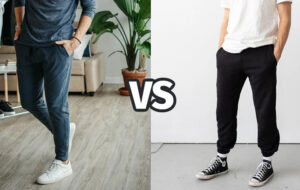
Joggers are generally tighter than sweatpants, with a tapered leg design narrowing from thigh to ankle. Sweatpants have a loose, straight-leg design offering unrestricted movement and maximum comfort.
Construction Differences
- Joggers: Tapered leg panels, elastic ankle cuffs, and slightly reduced thigh circumference create a modern, athletic silhouette.
- Sweatpants: Straight-leg panels, loose hip and thigh areas, optional elastic at the waist, designed for relaxation and comfort.
Consumer Preferences
| Region | Preferred Fit |
|---|---|
| North America | Joggers |
| Europe | Joggers |
| Homewear market | Sweatpants |
Athleisure trends have increased the demand for joggers due to their combination of style, mobility, and versatile appearance. Sweatpants remain strong in comfort-focused collections and cold-weather loungewear.
Fit Implications for Brands
Factors to consider when sourcing or developing collections include:
- Target demographic: Younger audiences prefer tapered joggers; older consumers often favor relaxed sweatpants.
- Intended use: Casual, gym, or travel designs dictate fabric selection, leg tapering, and waistband style.
Manufacturing Considerations
- Joggers require precise pattern grading to maintain a clean taper across multiple sizes.
- Sweatpants demand accurate measurement of leg circumference and hip width for consistent comfort and fit across all sizes.
Which Is Warmer, Joggers or Sweatpants?
Warmth depends on fabric type, thickness, and fit rather than the product name alone.
Sweatpants are generally warmer due to thicker fabrics and a looser fit, which traps insulating air. Joggers, although slimmer, can achieve comparable warmth with brushed fleece, thermal blends, or double-knit fabrics.
Fabric Weight and Warmth
| Fabric Weight | Typical Application |
|---|---|
| 220 GSM | Lightweight joggers |
| 280 GSM | Standard joggers |
| 320 GSM | Sweatpants or warm joggers |
| 350 GSM+ | Heavy-duty sweatpants |
Fit and Insulation
- Loose sweatpants create air pockets that retain heat efficiently.
- Tapered joggers provide less trapped air but maintain body warmth when using thermal or brushed fabrics.
Market Recommendations
- Winter collections: Heavyweight sweatpants provide comfort and warmth for home and casual wear.
- Athleisure collections: Thermal joggers balance style, mobility, and sufficient warmth for mild or cooler climates.
Fabric Technology
Modern textile innovations enable joggers to use:
- Brushed fleece linings
- Double-knit performance fabrics
- Moisture-wicking thermal blends
This allows slimmer joggers to match the warmth of traditional sweatpants while offering a contemporary fit for fashion-forward consumers.
Can Sweat Pants Be Used for Jogging?
Sweatpants were originally developed for athletic training but have evolved primarily into leisurewear. Their suitability for jogging depends on fabric weight, cut, and activity level.

Sweatpants can be used for jogging; however, heavier fabrics and loose cuts may reduce mobility and increase heat retention. Joggers are designed to optimize movement, prevent fabric drag, and provide versatility for active and casual wear.
Historical Perspective
- Sweatpants were initially worn for warm-ups, training, and recovery.
- Their loose design provided flexibility and comfort during physical activity.
Jogger Adaptation
- Modern joggers combine athleisure styling with functional design for mobility.
- Elastic ankle cuffs prevent tripping or fabric drag, making them safer for running or light workouts.
Performance Comparison
| Feature | Sweatpants | Joggers |
|---|---|---|
| Weight | Heavier | Lighter |
| Mobility | Moderate | High |
| Heat Retention | High | Moderate |
| Fashion Appeal | Moderate | High |
Recommendations for Apparel Buyers
- Sweatpants: Best for homewear, winter collections, or light jogging and recovery.
- Joggers: Ideal for athleisure, casual outings, and light physical activity.
Offering both garments in a collection allows brands to satisfy diverse customer preferences, from comfort-focused to style-oriented segments.
Conclusion
Sweatpants and jogger pants, while sharing some materials and casual appeal, differ significantly in fit, warmth, and intended use. Sweatpants provide a loose, cozy option for lounging, recovery wear, and cold-weather comfort. Joggers offer a tapered fit, elastic cuffs, and versatile styling suitable for athleisure, casual outings, and light exercise.
At Fusionknits, understanding these differences ensures accurate pattern making, fabric selection, and production processes. Brands that choose the appropriate style for their target market can improve customer satisfaction, maintain consistency in quality and performance, and optimize sell-through rates across seasonal and lifestyle collections.