T-shirts are among the most versatile and widely worn garments in the world, used for casual wear, promotional purposes, and fashion statements. While most consumers focus on style, color, or fit, fabric quality often determines comfort, durability, and overall satisfaction. High-quality fabrics provide better hand feel, longevity, shape retention, and breathability, making the T-shirt not just a basic garment but a premium product.
The highest quality fabrics for T-shirts are typically long-staple cotton varieties such as Pima cotton or Supima cotton, organic cotton, and high-grade blends like cotton-modal blends or cotton-bamboo. These fabrics offer superior softness, strength, color retention, and drape compared to standard short-staple cotton or low-grade synthetic fabrics. Premium cotton fibers, in particular, create smoother surfaces, reduce pilling, and enhance durability while maintaining breathability and comfort.
Understanding fabric quality helps brands, retailers, and consumers make informed decisions that balance cost, comfort, and performance. At Fusionknits, we have observed that careful fabric selection is one of the most critical factors in producing T-shirts that satisfy discerning customers.
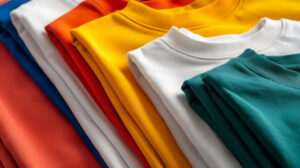
Why Fabric Quality Matters for T-Shirts
Many consumers underestimate the impact of fabric quality on their T-shirts.
High-quality fabrics improve durability, prevent shrinkage, maintain shape, enhance comfort, and provide a soft, luxurious feel. Low-quality fabrics can lead to rough textures, fading, pilling, and early wear.
Fabric quality directly affects the customer experience.
Key Attributes of High-Quality Fabric
- Soft hand feel
- Smooth texture
- Minimal pilling
- Consistent color retention
- Shape and stretch retention
- Breathability and moisture management
These factors contribute to both comfort and long-term garment satisfaction.
Risks of Low-Quality Fabric
- Coarse or rough texture
- Shrinkage or distortion after washing
- Color fading or uneven dyeing
- Pilling or abrasion
- Reduced garment lifespan
Brands that prioritize quality fabrics avoid these common pitfalls.
Why Long-Staple Cotton Is Considered Premium
Cotton is the most common fiber for T-shirts, but not all cotton is created equal.

Long-staple cotton, such as Pima cotton or Supima cotton, is considered the highest-quality cotton because the longer fibers produce smoother, stronger, and softer yarns. These fibers result in a durable, lightweight fabric with fewer imperfections.
Long-staple cotton is often used in premium and luxury T-shirts.
Benefits of Long-Staple Cotton
- Exceptional softness
- Reduced pilling
- High tensile strength
- Smooth surface for better printing
- Luxurious drape
These characteristics justify higher pricing for premium garments.
Pima Cotton
- Grown primarily in the U.S., Peru, and Australia
- Recognized for long, fine fibers
- Smooth and soft texture
- Durable for repeated wear
Supima Cotton
- Trademarked U.S. variety of Pima cotton
- Strict quality standards
- Superior color retention
- Used in high-end fashion collections
Supima cotton T-shirts are often marketed as “luxury basics” due to these properties.
Organic Cotton and Its Advantages
Organic cotton is grown without synthetic pesticides or fertilizers.
Organic cotton provides the same softness and durability as long-staple cotton while offering environmental benefits and reduced chemical exposure.
Consumers increasingly value sustainability.
Benefits of Organic Cotton
- Eco-friendly cultivation
- Soft, comfortable fibers
- Durable and breathable
- Reduces environmental footprint
Organic cotton has become popular among conscious consumers and ethical fashion brands.
Considerations
- Slightly higher cost
- Variations in fiber consistency
- Often combined with other premium fibers for optimal performance
When sourced carefully, organic cotton delivers both quality and sustainability.
Why Blended Fabrics Are Also High-Quality
Blends of cotton with other fibers like modal, bamboo, or polyester can enhance T-shirt performance.
Cotton-modal blends, for example, combine natural softness with smoothness and drape, while cotton-polyester blends increase durability and shape retention. High-quality blends retain breathability while providing functional benefits.
Blends allow customization for specific purposes.
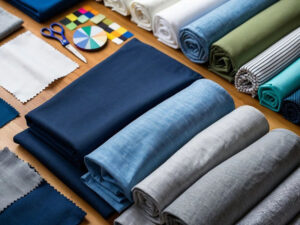
Cotton-Modal Blends
- Extra soft and silky
- Smooth hand feel
- Retains color well
- Slightly elastic for comfort
Cotton-Bamboo Blends
- Soft and lightweight
- Natural moisture-wicking
- Eco-friendly cultivation
- Resistant to odor
Cotton-Polyester Blends
- High durability
- Shape retention
- Faster drying
- Slightly less soft than natural fibers
The choice of blend depends on the balance between comfort, performance, and cost.
How Fabric Weight Impacts T-Shirt Quality
Fabric weight influences hand feel, drape, opacity, and durability.
Premium T-shirts are usually made from medium-weight fabrics (150–200 GSM), which provide a balance between softness, coverage, and durability. Lightweight fabrics may feel flimsy, while heavier fabrics may be too stiff for casual wear.
Fabric weight is critical for achieving optimal comfort and appearance.
Recommended GSM Ranges
| GSM | Application |
|---|---|
| 120–150 | Lightweight T-shirts, summer wear |
| 150–180 | Standard high-quality T-shirts |
| 180–200 | Premium, structured T-shirts |
| 200+ | Heavyweight, durable fashion pieces |
Selecting the appropriate weight ensures the garment meets both comfort and performance requirements.
Why Yarn Quality Matters
High-quality fabrics rely on long, strong, and smooth yarns.

Yarn quality affects softness, strength, pilling resistance, and the overall appearance of the T-shirt. Premium yarns create a refined fabric that feels luxurious and retains its shape after repeated wear.
Thread construction is often as important as fiber selection.
Yarn Considerations
- Ring-spun yarns vs. open-end spun yarn: ring-spun is softer and more durable
- Fiber uniformity: ensures consistent texture
- Twist level: affects drape and stretch
- Blending consistency: avoids rough patches or uneven dyeing
High-quality yarn enhances the garment’s longevity and aesthetic appeal.
Why Finishing and Pre-Treatment Enhance Quality
Finishing processes improve the fabric’s feel, appearance, and performance.
High-quality T-shirts undergo pre-shrinking, enzyme washing, or softening treatments to enhance comfort, reduce shrinkage, and ensure consistent color. Proper finishing distinguishes premium garments from mass-market basics.
Finishing ensures a better customer experience.
Common Finishing Techniques
- Pre-shrinking: prevents post-wash shrinkage
- Softening: improves hand feel
- Colorfast treatment: maintains dye integrity
- Anti-pilling: reduces surface wear
These techniques complement fiber quality to deliver superior products.
Fabric Testing
High-quality fabrics undergo testing for:
- Colorfastness
- Shrinkage
- Stretch recovery
- Pilling resistance
- Tensile strength
Testing ensures performance meets brand standards.
How Sustainability Influences Perceived Quality
Consumers increasingly value eco-friendly fabrics.
Sustainable fabrics, such as organic cotton, bamboo blends, and recycled fibers, are considered high-quality not only for feel and durability but also for their environmental impact.
Sustainability has become a key factor in premium product perception.
Benefits of Sustainable Fabrics
- Reduced chemical use
- Lower water footprint
- Ethical sourcing
- Maintains fiber integrity and softness
Premium brands often market sustainable T-shirts as higher quality due to these factors.
How Fit and Cut Interact with Fabric Quality
Even the best fabric can underperform if the T-shirt is poorly cut.
High-quality T-shirts often use premium fabrics combined with precise patterning and tailoring to create flattering fits that complement the softness and drape of the fabric.
Fabric choice and garment design work together to enhance perception of quality.
Fit Considerations
- Classic vs. slim fit
- Shoulder alignment
- Sleeve length and cuff construction
- Hem stability
Proper patterning preserves fabric performance over time.
Layering and Stretch
Premium fabrics with slight elasticity allow:
- Comfortable movement
- Better shape retention
- Versatility in layering
Stretch and recovery contribute to overall quality.
Why Color and Dyeing Matter
High-quality fabrics accept dyes evenly and retain color after repeated washing.
Long-staple cotton, modal, and bamboo blends typically hold dyes better, creating vibrant, consistent colors without fading or bleeding.
Color retention contributes to a garment’s perceived value.
Dye Techniques
- Reactive dyes for cotton
- Fiber-reactive dyes for blends
- Pigment dyes for washed looks
- Sustainable low-impact dyeing options
High-quality T-shirts combine fiber and dye technology to maintain aesthetics.
Colorfastness Testing
- Multiple wash cycles
- Exposure to sunlight
- Resistance to rubbing and friction
Testing ensures garments meet premium standards.
Conclusion
The highest quality fabrics for T-shirts are long-staple cotton varieties such as Pima or Supima, organic cotton, and premium blends like cotton-modal or cotton-bamboo. These fabrics provide exceptional softness, strength, durability, color retention, and smooth texture. Ring-spun yarns, pre-treatment processes, appropriate fabric weight, and careful finishing further enhance comfort and longevity. While synthetic blends like polyester-spandex may be used for performance-focused T-shirts, natural long-staple fibers remain the gold standard for everyday premium wear.
High-quality fabrics interact with fit, cut, and finishing techniques to create garments that maintain shape, resist pilling, and provide a luxurious feel over time. Sustainable fibers, careful dyeing, and testing for durability reinforce the perceived quality of premium T-shirts.
At Fusionknits, we have found that the combination of superior fiber selection, thoughtful finishing, and precise garment construction is the key to creating T-shirts that stand out in comfort, performance, and long-term value.