
Many athletes and apparel buyers wonder whether 100% polyester is truly the best choice for sportswear. Some people love its lightweight feel and quick-drying performance. Others worry that it may feel less comfortable than natural fibers. With polyester dominating the sportswear industry, understanding its strengths and weaknesses is essential before selecting the right fabric for athletic apparel.
Yes, 100% polyester is generally very good for sports because it is lightweight, durable, moisture-wicking, and fast-drying. These qualities help athletes stay comfortable during physical activity. However, the overall performance depends on fabric construction, yarn quality, and garment design rather than fiber content alone.
At Fusionknits, we have found that high-quality polyester fabrics consistently perform well across a wide range of sports and fitness applications.

Why is polyester so popular in sports apparel?
Sportswear manufacturers have many fabric options available.
Polyester became the dominant sportswear fabric because it combines durability, lightweight performance, and moisture management. Modern polyester sportswear offers an excellent balance of performance and affordability.
Few fibers offer such a balanced combination of benefits.
Key Advantages of Polyester
Polyester provides:
- Low weight
- High durability
- Fast drying
- Shape retention
- Wrinkle resistance
These features support athletic performance.
Why Sports Brands Prefer Polyester
Many global sportswear brands use polyester because it:
- Performs well during exercise
- Handles repeated washing
- Maintains appearance over time
- Supports advanced fabric technologies
This versatility makes polyester highly attractive.
Polyester's Market Position
Today polyester is commonly used in:
| Product Type | Polyester Usage |
|---|---|
| Sports T-shirts | Very High |
| Team Jerseys | Very High |
| Running Apparel | Very High |
| Training Shorts | High |
| Compression Wear | High |
Its dominance continues to grow.
How does polyester manage sweat during exercise?
Sweat management is one of the most important requirements for sportswear.

Polyester helps move moisture away from the skin and toward the outer surface of the fabric, where it can evaporate more quickly.
This process improves comfort during activity.
What Is Moisture Wicking?
Moisture wicking refers to:
- Moving sweat away from skin
- Distributing moisture across fabric surfaces
- Accelerating evaporation
This helps athletes stay drier.
Why Moisture Management Matters
Effective moisture control can:
- Reduce discomfort
- Prevent heavy garments
- Improve temperature regulation
- Minimize skin irritation
These benefits become increasingly important during intense workouts.
Polyester vs Cotton for Sweat
| Feature | Polyester | Cotton |
|---|---|---|
| Moisture Absorption | Low | High |
| Drying Speed | Fast | Slow |
| Weight When Wet | Light | Heavy |
| Performance Training | Excellent | Limited |
This explains why cotton is less common in performance sportswear.
Is polyester breathable enough for sports?
Breathability is often confused with moisture management.
Polyester itself is not automatically breathable, but modern polyester fabrics can be engineered with knit structures and ventilation zones that provide excellent airflow.
Fabric construction matters greatly.
What Improves Breathability?
Manufacturers often use:
- Mesh panels
- Open-knit structures
- Lightweight yarns
- Ventilation zones
These features increase airflow.
Sports That Require High Breathability
Examples include:
- Running
- Cycling
- Soccer
- Basketball
- Tennis
Athletes in these sports generate significant body heat.
Why Construction Matters More Than Fiber
A poorly designed polyester fabric may feel hot.
A properly engineered polyester fabric can feel extremely breathable.
The difference often lies in construction rather than fiber content.
Does 100% polyester provide enough comfort?
Comfort remains a major factor for consumers.
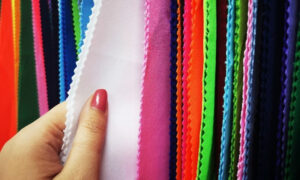
Modern polyester fabrics have become significantly softer than earlier generations and can provide excellent comfort when engineered correctly.
Technology has improved dramatically.
Why Polyester Used to Feel Uncomfortable
Older polyester fabrics often felt:
- Stiff
- Plastic-like
- Rough
Modern production methods have addressed many of these concerns.
Soft Polyester Technologies
Examples include:
- Microfiber polyester
- Brushed polyester
- Performance knits
- Double-knit constructions
These fabrics offer improved softness.
Comfort Factors
Comfort depends on:
- Yarn quality
- Fabric weight
- Knit structure
- Finishing treatments
Fiber content alone does not determine comfort.
How durable is 100% polyester sportswear?
Sports apparel experiences significant wear and tear.
Polyester is one of the most durable fibers used in apparel and performs exceptionally well under repeated washing and physical activity.
Durability is one of its strongest advantages.
Why Polyester Lasts Longer
Polyester resists:
- Stretching
- Shrinking
- Abrasion
- Wrinkling
This helps garments maintain their appearance.
Durability Benefits for Athletes
Athletes benefit from:
- Longer garment lifespan
- Reduced replacement costs
- Consistent performance
Durability becomes particularly important for team sports.
Common Applications
Polyester performs well in:
- Practice uniforms
- Training apparel
- Sports jerseys
- Outdoor gear
These products often undergo frequent use.
Is 100% polyester suitable for all sports?
Different sports have different requirements.

100% polyester performs exceptionally well in most sports, but specific activities may benefit from additional stretch fibers such as spandex.
The best fabric depends on the application.
Sports That Work Well with Polyester
Examples include:
- Running
- Soccer
- Basketball
- Cycling
- Baseball
These sports benefit from moisture management.
Activities That Often Use Blends
Common examples include:
- Yoga
- Pilates
- Compression training
- Gym workouts
These activities often require greater elasticity.
Why Blends Are Sometimes Preferred
Adding spandex improves:
- Stretch
- Recovery
- Flexibility
This creates additional performance benefits.
How does polyester compare to nylon?
Polyester and nylon dominate the activewear market.
Polyester generally offers better moisture management and affordability, while nylon often provides a softer hand feel and greater abrasion resistance.
Both materials have strengths.
Polyester Advantages
Polyester offers:
- Lower cost
- Faster drying
- Better color retention
- Easier maintenance
These features make it highly practical.
Nylon Advantages
Nylon provides:
- Softer feel
- Premium appearance
- Excellent durability
Many luxury activewear brands prefer nylon.
Comparison Table
| Feature | Polyester | Nylon |
|---|---|---|
| Moisture-Wicking | Excellent | Good |
| Softness | Good | Excellent |
| Cost | Lower | Higher |
| Color Retention | Excellent | Very Good |
| Drying Speed | Excellent | Very Good |
Both fibers remain excellent choices.
Does polyester retain odors?
Odor retention is one of polyester's most discussed drawbacks.
Standard polyester can sometimes retain odors more easily than natural fibers because moisture and bacteria may remain trapped within the fabric structure.
Modern technologies help solve this issue.
Common Solutions
Manufacturers often use:
- Anti-microbial finishes
- Silver-ion treatments
- Odor-control technologies
These treatments improve freshness.
Why Proper Washing Matters
Athletes should:
- Wash garments promptly
- Avoid excessive fabric softeners
- Follow care instructions
Proper maintenance improves performance.
Industry Improvements
Modern polyester fabrics are significantly better at managing odors than earlier versions.
Technology continues to improve.
Is recycled polyester good for sportswear?
Sustainability has become increasingly important.
Recycled polyester delivers performance similar to virgin polyester while reducing environmental impact through the use of recycled plastic materials.
Many sportswear brands now use recycled fibers.
Benefits of Recycled Polyester
Advantages include:
- Reduced plastic waste
- Lower resource consumption
- Strong performance properties
Consumers increasingly value sustainability.
Common Sources
Recycled polyester may come from:
- Plastic bottles
- Industrial waste
- Post-consumer materials
These materials are processed into new fibers.
Performance Comparison
Most athletes cannot distinguish between:
- Virgin polyester
- Recycled polyester
Performance remains largely comparable.
What should buyers consider when choosing polyester sportswear?
Fabric selection should always support the intended use.
Buyers should evaluate moisture management, breathability, durability, fabric weight, stretch requirements, and garment construction rather than focusing solely on fiber composition.
The complete fabric system matters.
Important Questions to Ask
Consider:
- What sport is the garment for?
- What climate will it be used in?
- Is stretch required?
- How important is sustainability?
These questions guide fabric selection.
Key Evaluation Factors
Review:
- GSM
- Fabric construction
- Moisture-wicking performance
- Durability testing
- Comfort level
Performance depends on multiple variables.
Recommended Applications
| Activity | Recommended Fabric |
|---|---|
| Running | 100% Polyester |
| Team Sports | 100% Polyester |
| Outdoor Training | 100% Polyester |
| Yoga | Polyester-Spandex Blend |
| Compression Wear | Polyester-Spandex Blend |
Matching the fabric to the activity improves results.
Conclusion
100% polyester is one of the best fabrics available for sports apparel because it offers an exceptional combination of moisture management, durability, lightweight performance, and fast drying capabilities. These advantages explain why polyester dominates categories such as sports T-shirts, team jerseys, running apparel, and training gear. Modern polyester fabrics have evolved significantly, providing improved softness, breathability, and comfort while maintaining the performance characteristics athletes expect.
However, polyester is not a perfect solution for every application. Factors such as fabric construction, garment design, ventilation, stretch requirements, and finishing treatments all influence the final performance of a sports garment. In some cases, polyester-spandex blends may provide additional flexibility for activities that require greater mobility. Understanding the intended use is essential when selecting the right fabric.
At Fusionknits, we have found that high-quality polyester fabrics continue to deliver some of the best results in sportswear manufacturing. When combined with advanced knitting techniques, moisture-wicking technologies, and thoughtful garment construction, 100% polyester remains one of the most reliable and cost-effective choices for modern athletic apparel.