Sweatshirts are a wardrobe essential for comfort, warmth, and casual style. While design and fit are important, the fabric, stitching, and construction define overall quality. A high-quality sweatshirt lasts longer, feels softer, maintains shape, and performs well after repeated washes.
High-quality sweatshirts are made from premium fabrics such as heavyweight cotton, cotton-polyester blends, fleece, or French terry, combined with precise stitching, reinforced seams, and durable ribbing at cuffs, hem, and neckline. Fabric weight, knit type, finishing, and attention to construction determine the durability, comfort, and long-term appearance of the garment.
At Fusionknits, sweatshirt manufacturing emphasizes fabric quality, stitch density, construction consistency, and finishing techniques to ensure garments retain comfort, shape, and durability. Quality assessment goes beyond fabric to include stitching, garment balance, and fabric treatment.
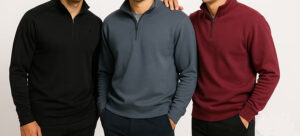
Why Fabric Choice Matters In Sweatshirts
Fabric is the foundation of a premium sweatshirt.
A sweatshirt’s feel, warmth, and durability start with the fabric. Choosing the right fiber composition and knit ensures long-lasting comfort and wearability.
**High-quality sweatshirts use fabrics that balance softness, durability, warmth, and resilience, such as heavyweight cotton, French terry, fleece
Cotton Content
- Provides softness and breathability
- Maintains natural comfort
- Absorbs moisture lightly
Poly-Cotton Blends
- Improve durability
- Reduce shrinkage
- Maintain shape after washing
Fleece And French Terry
- Offer thermal insulation
- Provide soft inner texture
- Support everyday comfort
Fabric choice determines initial feel, wear, and longevity.
Weight And Density
- Medium to heavyweight fabrics provide structure
- Light fabrics are more flexible but less insulating
- Heavier fabrics resist pilling and stretching
Fabric weight directly affects perceived quality.
At Fusionknits, precise fabric selection is the first step in producing high-quality sweatshirts that meet performance and comfort standards.
The Role Of Stitching And Construction
Stitching quality defines durability and finish.

Even premium fabrics fail if stitching and construction are substandard. Proper stitch density, seam finishing, and reinforced stress points extend garment life.
High-quality sweatshirts feature dense stitching, clean seam finishes, and reinforced areas at the cuffs, hem, and shoulders, ensuring structural integrity and long-term wearability.
Seam Density And Type
- Double-needle stitching improves strength
- Flatlock seams reduce irritation
- Overlock stitches prevent fraying
Reinforced Stress Points
- Shoulder seams
- Sleeve cuffs
- Necklines
These areas are prone to stretching and wear.
Neckline, Cuff, And Hem Ribbing
- Ribbed construction maintains shape
- Resists sagging
- Enhances elasticity
Attention to these details signals premium construction.
Balanced Construction
- Symmetry in shoulder seams
- Sleeve alignment
- Body proportion
Proper construction affects fit, appearance, and comfort.
How Fabric Finishing Impacts Sweatshirt Quality
Finishing processes enhance appearance, softness, and durability.
High-quality sweatshirts often undergo finishing processes to improve texture, color stability, and performance.
Finishing treatments such as pre-shrinking, brushing, enzyme washes, and colorfast treatments contribute to a soft feel, minimal shrinkage, and long-lasting vibrancy.
Brushed Fleece
- Softens the inner surface
- Adds thermal insulation
- Improves comfort
Pre-Shrinking
- Reduces shrinkage during washing
- Maintains fit consistency
- Enhances long-term shape retention
Colorfast Treatments
- Ensure colors remain vibrant
- Resist fading after repeated washes
- Maintain aesthetic appeal
Enzyme Washes
- Improve softness
- Reduce fiber roughness
- Enhance drape and feel
Finishing techniques elevate fabric performance and user experience.
Why Fabric Weight Influences Quality
Fabric weight is a major factor in durability and comfort.
Heavier fabrics generally feel more substantial and resist stretching or sagging over time.
High-quality sweatshirts typically use fabrics ranging from 280 to 500 GSM (grams per square meter), providing a premium hand feel, warmth, and structure without restricting movement.

Lightweight Sweatshirts
- Soft and flexible
- Suitable for layering
- Less insulating
Midweight Sweatshirts
- Balanced comfort and warmth
- Maintains shape
- Suitable for everyday wear
Heavyweight Sweatshirts
- Provides warmth and insulation
- Feels structured and substantial
- Excellent durability
At Fusionknits, fabric weight selection is matched to intended use, whether casual, performance, or fashion-forward designs.
Are Cotton-Polyester Blends Superior?
Blended fabrics often improve durability and ease of care.
Combining natural cotton with polyester reduces shrinkage, enhances shape retention, and increases wash durability while maintaining a soft feel.
Cotton-polyester blends balance comfort and performance, making sweatshirts easier to maintain without compromising fabric quality or aesthetic appeal.
Advantages Of Blends
- Improved resilience
- Color retention after multiple washes
- Reduced pilling
Maintaining Softness
Blends are engineered to retain a cotton-like feel while adding durability.
Stretch And Recovery
Polyester addition can improve elasticity and recovery, especially when combined with ribbed cuffs and hem.
Ideal For Everyday Wear
Blended sweatshirts are suitable for frequent use without sacrificing comfort.
How Ribbing And Trim Affect Sweatshirt Quality
Cuffs, hems, and collars impact both comfort and longevity.

High-quality sweatshirts feature ribbing that maintains elasticity and prevents sagging even after repeated wear and washing.
Reinforced ribbed collars, cuffs, and hems improve fit, support garment shape, and enhance the overall aesthetic of a premium sweatshirt.
Elasticity And Recovery
Ribbed trims allow:
- Stretch without deformation
- Retention of original shape
- Comfortable fit around wrists and waist
Reinforced Stitching
- Double-needle hems
- Durable ribbing
- Clean edge finish
Durable trim construction ensures long-term performance.
Comfort And Fit
- Snug but flexible fit
- Prevents cold drafts
- Enhances overall wearing experience
Trims signal attention to detail and garment quality.
Why Fabric Texture And Hand Feel Matter
Consumers assess quality by how fabric feels.
A sweatshirt may look good but feel rough or stiff. Premium fabric finishes deliver softness, smoothness, and a pleasant tactile experience.
High-quality sweatshirts use soft, brushed, or fleece-textured fabrics that feel comfortable against the skin while maintaining durability and structure.
Brushed Fabrics
- Add warmth
- Provide soft inner surface
- Enhance comfort
Smooth Knit Fabrics
- Reduce pilling
- Maintain sleek appearance
- Offer lightweight comfort
Soft Hand Feels Improve Perceived Quality
Consumers often equate softness and drape with high value and durability.
At Fusionknits, fabric finishing focuses on optimizing hand feel while preserving technical performance and longevity.
How Construction Consistency Influences Quality
Consistency across production batches ensures reliability.
Even premium fabrics can appear low-quality if manufacturing is inconsistent.
High-quality sweatshirts are produced with consistent stitch density, accurate sizing, uniform seam alignment, and balanced fit across all sizes and production batches.
Consistency builds brand trust.
Measurement Accuracy
- Maintains proper sizing
- Reduces returns
- Improves customer satisfaction
Stitching Uniformity
- Ensures structural stability
- Prevents weak points
- Provides clean aesthetic
Seam Alignment
- Maintains symmetrical fit
- Prevents twisting or skewing
- Supports long-term comfort
Quality control ensures premium performance in all garments.
Are Specialty Treatments Important?
Additional treatments can enhance performance.
Treatments like anti-pilling, water repellency, or softening finishes increase garment longevity and performance.
High-quality sweatshirts may feature anti-pilling coatings, enzyme washes, or softening treatments to preserve fabric appearance, texture, and durability.
Anti-Pilling
- Reduces fiber fuzz
- Maintains smooth surface
- Extends garment life
Softening Treatments
- Improve hand feel
- Enhance comfort
- Support long-term wear
Functional Finishes
- Optional water-repellent coatings
- Heat-set fabrics for shape retention
- Stretch-enhancing treatments
Treatments add value and differentiate premium sweatshirts.
Conclusion
High-quality sweatshirts are defined by premium fabrics such as heavyweight cotton, French terry, fleece, or cotton-polyester blends, combined with precise stitching, reinforced seams, ribbed trims, and professional finishing. Fabric weight, texture, knit structure, and attention to construction determine durability, comfort, and long-term appearance.
At Fusionknits, sweatshirt manufacturing emphasizes material selection, stitch consistency, construction precision, and finishing treatments to produce sweatshirts that remain comfortable, maintain shape, and retain premium quality over time. Attention to every detail—from fabric to trim—ensures sweatshirts meet both performance and lifestyle expectations.