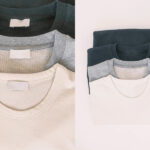
Shirts are one of the most common garments in the apparel industry, but many consumers and buyers do not fully understand the materials behind them. Fabric selection affects comfort, durability, breathability, appearance, and overall garment performance.
Most shirts are made from cotton, polyester, linen, rayon, or blended fabrics. The material depends on the shirt category, intended use, price positioning, and performance requirements.
At Fusionknits, fabric development is one of the most important stages in shirt manufacturing because material choice directly influences product quality and customer satisfaction.
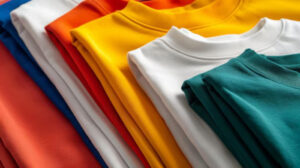
Why is cotton the most common material for shirts?
Cotton remains one of the most widely used fibers in shirt manufacturing because it offers natural comfort and breathability.
Cotton is commonly used in shirts because it feels soft against the skin, absorbs moisture well, and provides comfortable everyday wear.
In our production lines, cotton fabrics remain highly popular for T-shirts, polo shirts, casual shirts, and premium retail collections.
Common cotton fabrics used in shirts
| Cotton Fabric Type | Main Characteristics |
|---|---|
| Jersey Cotton | Soft and stretchy |
| Cotton Poplin | Smooth and lightweight |
| Cotton Piqué | Textured and breathable |
| Oxford Cotton | Structured and durable |
Different constructions create different fabric appearances and performance levels.
Advantages of cotton shirts
- Soft hand feel
- Excellent breathability
- Natural fiber comfort
- Good moisture absorption
- Easy dyeing and printing
These qualities make cotton suitable for many apparel categories.
Limitations of cotton fabrics
Despite its popularity, cotton also has disadvantages:
- Wrinkles easily
- Shrinks after washing
- Slower drying speed
- Less stretch compared to synthetic fabrics
Because of this, many brands now use cotton blends instead of pure cotton.
Why is polyester widely used in shirts?
Polyester has become extremely important in modern apparel manufacturing because it improves durability and moisture management.

Polyester is commonly used in shirts because it resists wrinkles, dries quickly, maintains shape, and offers strong durability.
At Fusionknits, polyester shirts are especially popular in activewear, uniforms, and performance apparel categories.
Why polyester performs well
Polyester fibers absorb very little moisture. Instead of trapping sweat, they help move moisture toward the fabric surface where it evaporates faster.
This improves:
- Moisture-wicking performance
- Quick drying speed
- Shape retention
- Color durability
- Wrinkle resistance
These properties make polyester ideal for sportswear and workwear shirts.
Common polyester shirt fabrics
| Fabric Construction | Main Benefit |
|---|---|
| Interlock Polyester | Smooth and durable |
| Polyester Mesh | Enhanced ventilation |
| Polyester Jersey | Lightweight comfort |
| Microfiber Polyester | Soft texture |
These fabrics support both performance and commercial apparel categories.
Common concerns with polyester
Lower-quality polyester may create:
- Plastic-like texture
- Static buildup
- Reduced breathability
- Odor retention
Fabric quality and finishing processes strongly affect final garment comfort.
Why are blended fabrics so common in modern shirts?
Modern shirts often combine natural and synthetic fibers to balance comfort, durability, and performance.
Blended fabrics are widely used because they combine the softness of cotton with the durability and wrinkle resistance of synthetic fibers like polyester.
In large-scale apparel manufacturing, blends help improve production consistency and garment lifespan.
Common shirt fabric blends
| Fabric Blend | Main Advantage |
|---|---|
| Cotton-Polyester | Comfort with durability |
| Cotton-Spandex | Softness with stretch |
| Polyester-Spandex | Flexibility and performance |
| Rayon-Polyester | Smooth drape and durability |
The blend ratio changes how the shirt feels and performs.
Why brands prefer blended fabrics
Blends help improve:
- Shrinkage control
- Wrinkle resistance
- Shape retention
- Stretch recovery
- Long-term durability
This makes them highly suitable for both fashion and activewear markets.
Stretch fabrics in shirts
Many modern shirts include spandex or elastane.
Stretch fabrics improve:
- Mobility
- Fit flexibility
- Comfort during movement
- Recovery after washing
Stretch blends are especially popular in activewear and slim-fit apparel.
What material is best for T-shirts?
T-shirts require softness, comfort, and flexibility because they are worn directly against the skin.
Cotton and cotton-blend fabrics are considered the best materials for T-shirts because they offer softness, breathability, and comfortable everyday wear.
At Fusionknits, T-shirt fabric development depends heavily on target market and product positioning.
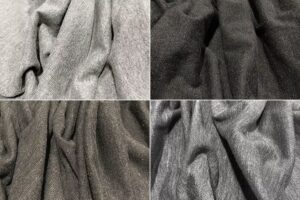
Popular T-shirt materials
| Material | Main Benefit |
|---|---|
| 100% Cotton | Natural softness |
| Cotton-Poly Blend | Durability and wrinkle resistance |
| Tri-Blend Fabric | Softness with drape |
| Organic Cotton | Sustainability |
Each material supports different retail categories.
Why cotton dominates T-shirt production
Cotton T-shirts provide:
- Breathability
- Comfortable hand feel
- Easy printing performance
- Consumer familiarity
This makes cotton highly commercially successful.
Why synthetic blends are growing
Blended fabrics improve:
- Moisture management
- Colorfastness
- Shape stability
- Production consistency
These qualities are increasingly important in modern apparel markets.
Why is linen used in shirts?
Linen is another natural fiber widely used in summer and premium fashion shirts because of its lightweight feel and breathability.
Linen shirts are popular because linen fibers allow excellent airflow and create a lightweight, breathable fabric suitable for hot weather.
Many premium fashion collections include linen shirts during spring and summer seasons.
Advantages of linen shirts
- Superior breathability
- Lightweight feel
- Natural texture appearance
- Strong moisture absorption
These qualities make linen ideal for warm climates.
Common limitations of linen
Linen also has disadvantages:
- Wrinkles easily
- Lower stretch flexibility
- Higher production cost
Despite these limitations, linen remains popular in premium fashion markets.
Linen blend fabrics
Manufacturers often blend linen with:
- Cotton
- Rayon
- Polyester
This helps improve softness and reduce wrinkling.
How does fabric weight affect shirt quality?
Fabric weight strongly influences comfort, durability, drape, and garment appearance. Lightweight fabrics feel cooler, while heavier fabrics provide more structure.

Lightweight shirt fabrics are best for warm weather and activewear, while heavier fabrics offer better durability and premium structure.
At Fusionknits, GSM selection is an important stage during fabric development.
Typical shirt fabric weights
| Shirt Category | Typical GSM |
|---|---|
| Lightweight T-shirts | 120-160 GSM |
| Standard T-shirts | 180-220 GSM |
| Polo Shirts | 180-240 GSM |
| Heavyweight Shirts | 240+ GSM |
Choosing the correct weight affects both comfort and product positioning.
Lightweight fabrics
Advantages include:
- Better airflow
- Reduced garment weight
- Cooler feel during summer
These are common in sportswear and casualwear.
Heavyweight fabrics
Advantages include:
- Better structure
- Improved durability
- Premium appearance
However, heavier fabrics may feel warmer during hot weather.
Are sustainable materials used in shirts?
Sustainability has become a major focus in apparel manufacturing as brands and consumers prioritize environmentally responsible materials.
Many modern shirts now use sustainable materials such as organic cotton, recycled polyester, bamboo fibers, and eco-friendly dyeing processes.
At Fusionknits, sustainable shirt development continues growing rapidly.
Common sustainable shirt materials
| Sustainable Material | Main Benefit |
|---|---|
| Organic Cotton | Reduced chemical use |
| Recycled Polyester | Reduces plastic waste |
| Bamboo Fiber | Soft and renewable |
| Recycled Cotton Blend | Supports circular production |
These materials help brands improve sustainability positioning.
Challenges in sustainable shirt production
Manufacturers still face challenges such as:
- Higher material costs
- Recycling blended fabrics
- Maintaining durability
- Controlling production consistency
Balancing sustainability and commercial viability remains important.
How do fabric finishes affect shirts?
Fabric finishing changes how shirts feel, perform, and appear after production.
Modern shirt fabrics often include finishing treatments for softness, wrinkle resistance, moisture management, and color durability.
Finishing technology significantly influences final garment quality.
Common shirt finishing treatments
| Finishing Type | Main Benefit |
|---|---|
| Softener Finish | Improved hand feel |
| Moisture-Wicking Finish | Sweat management |
| Anti-Pilling Finish | Surface durability |
| Wrinkle-Resistant Finish | Easier garment care |
These treatments improve customer satisfaction.
Why finishing matters
Finishing can improve:
- Comfort
- Durability
- Appearance
- Washing performance
High-quality finishing often separates premium garments from low-cost products.
How should brands choose shirt materials?
There is no single best fabric for every shirt category. Material selection depends on product purpose, target customer, and market positioning.
Brands should choose shirt materials based on comfort, durability, climate conditions, performance requirements, and retail price targets.
At Fusionknits, shirt development begins with defining the intended use of the garment.
Questions brands should ask before material selection
- Is the shirt casual, formal, or performance-focused?
- Does the garment require stretch?
- Is moisture management important?
- What climate will the shirt sell in?
- Is sustainability a priority?
These factors strongly influence fabric development.
Recommended materials by shirt category
| Shirt Type | Recommended Material |
|---|---|
| Casual T-shirt | Cotton or Cotton Blend |
| Polo Shirt | Cotton Piqué or Blend |
| Activewear Shirt | Polyester-Spandex |
| Summer Shirt | Linen Blend |
| Sustainable Apparel | Organic Cotton |
Proper fabric selection improves both garment quality and long-term customer satisfaction.
Conclusion
Most shirts are made from cotton, polyester, linen, rayon, or blended fabrics that combine comfort, durability, flexibility, and performance. Cotton remains the most widely used material because of its softness and breathability, while polyester offers better wrinkle resistance, durability, and moisture management. Blended fabrics continue growing in popularity because they balance the advantages of both natural and synthetic fibers.
Material selection affects every aspect of shirt performance, including comfort, drape, shrinkage, stretch recovery, and garment lifespan. Fabric weight, finishing treatments, and fiber composition must all align with the product category and intended market. Whether the shirt is designed for fashion, sportswear, uniforms, or casualwear, the material choice strongly influences customer satisfaction and product value.
At Fusionknits, we believe fabric is the foundation of every high-quality shirt. Successful shirt manufacturing requires careful material selection, technical fabric development, and strict quality control to ensure garments meet both functional and aesthetic expectations. As apparel markets continue evolving, material innovation and sustainability will remain key drivers shaping the future of shirt manufacturing.