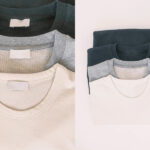
Tank tops are a staple in both casualwear and activewear, but not all fabrics are created equal. The material determines comfort, stretch, drape, breathability, and longevity. Choosing the right fabric is crucial for achieving both a flattering fit and optimal performance.
Tank tops are typically made from cotton tank tops, cotton blends, modal fabric, polyester, nylon, spandex, and rib knit fabrics. Each fabric offers different benefits depending on whether the tank top is intended for casualwear, loungewear, or activewear.
At Fusionknits, tank top manufacturing focuses on fabric selection, fit engineering, stretch recovery, and garment durability to create versatile and comfortable products.
Why Fabric Selection Matters For Tank Tops
The fabric directly affects how a tank top fits, feels, and performs.
The material impacts softness, breathability, stretch, durability, drape, and moisture-wicking fabrics, all of which influence overall comfort and aesthetics.
Even subtle differences in fiber composition can change the silhouette.
Softness Affects Comfort
Soft fabrics improve:
- Skin comfort
- All-day wearability
- Perceived garment quality
Consumers often judge quality immediately through touch.
Breathability Enhances Wear Experience
Breathable fabrics allow:
- Better airflow
- Temperature regulation
- Reduced sweat accumulation
This is particularly important in warm weather or during workouts.
Stretch Improves Mobility
Tank tops should move with the body, especially for:
- Fitness
- Yoga
- Casual movement
Stretch fabrics provide flexibility without restricting comfort.
Durability Extends Product Life
High-quality fabrics resist:
- Pilling
- Shrinkage
- Color fading
- Shape distortion
At Fusionknits, durability testing is a key part of tank top production.
Are Cotton Tank Tops The Best Choice?
Cotton is a traditional fabric commonly used in tank tops.

Cotton tank tops are widely used because they are soft, breathable, comfortable, and suitable for daily casualwear.
However, pure cotton has limitations in stretch recovery and moisture management.
Cotton Provides Natural Comfort
Cotton fibers feel:
- Soft and smooth
- Comfortable against skin
- Lightweight for everyday wear
These properties make cotton ideal for casual tank tops.
Breathability Is Excellent
Cotton allows airflow, reducing overheating during activity or warm weather.
Pure Cotton Can Shrink
100% cotton tank tops may experience:
- Fabric shrinkage after washing
- Loss of original shape
- Reduced elasticity
This is why cotton blends are often preferred.
Cotton Blends Improve Performance
Blending cotton with polyester or spandex improves:
- Stretch recovery
- Shape retention
- Moisture-wicking ability
- Durability
These blends are ideal for both casual and active tank tops.
What Are Cotton Blend Tank Tops?
Blended fabrics combine natural and synthetic fibers to enhance performance.
Cotton blends are popular because they provide softness, comfort, stretch, and durability while maintaining breathable qualities.
Modern casual and athleisure tanks often use blends.
Cotton-Polyester Blends Are Common
Polyester improves:
- Fabric durability
- Moisture management
- Color retention
Blended fabrics maintain cotton’s softness while increasing lifespan.
Cotton-Spandex Blends Enhance Fit
Spandex or elastane adds:
- Stretch for better movement
- Shape retention
- Slim or tapered fit support
This combination is ideal for fitted tank tops.
Hybrid Fabrics Balance Comfort And Performance
Modern blends often combine:
- Cotton comfort
- Synthetic durability
- Stretch flexibility
This approach creates tank tops suitable for multiple occasions.
What Is Modal And Why Use It In Tank Tops?
Modal is a semi-synthetic fiber made from beech tree pulp.
Modal fabric is used in tank tops because it provides a soft, smooth hand feel, lightweight drape, and better moisture absorption than pure cotton.
Modal fabrics are increasingly popular in premium casual and loungewear tanks.
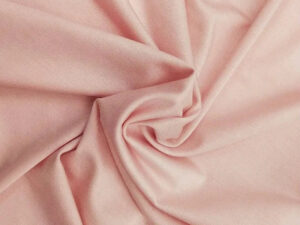
Modal Feels Luxuriously Soft
Tank tops made from modal feel:
- Smooth against the skin
- Lightweight and flowing
- Comfortable for all-day wear
Modal Dries Quickly
Modal fabrics wick moisture effectively, making them suitable for:
- Hot climates
- Light workouts
- Daily casual wear
Blending Modal With Other Fibers Improves Performance
Modal blends often include cotton or spandex to:
- Improve stretch recovery
- Maintain shape
- Enhance durability
Premium basics often use modal blends for comfort and style.
Are Polyester And Nylon Used In Tank Tops?
Synthetic fabrics are widely used in activewear tanks.
Polyester and nylon are chosen for their durability, moisture-wicking fabrics, lightweight feel, and stretch potential.
Technical tanks often use these materials to enhance performance.
Polyester Provides Quick-Drying Performance
Polyester fabrics:
- Pull sweat away from skin
- Dry faster than cotton
- Resist shrinking and wrinkling
These properties are ideal for sports or gym tank tops.
Nylon Feels Soft And Smooth
Nylon fabrics often provide:
- Silky texture
- Soft touch
- Better stretch recovery
Many high-end activewear tanks incorporate nylon blends.
Both Fabrics Can Include Spandex
Adding 5–15% spandex or elastane improves:
- Mobility
- Shape retention
- Comfort during movement
Stretch blends are standard in performance tanks.
What Are Rib Knit Fabrics And Why Are They Used?
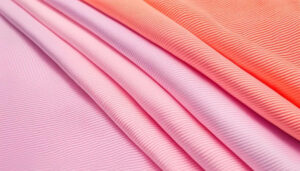
Rib knit fabrics are commonly used in fitted tank tops.

Rib knit tank tops are flattering because the fabric stretches, contours the body, and maintains shape over time.
This fabric type is highly popular in fashion basics.
Rib Knit Provides Stretch And Recovery
Rib fabrics stretch easily and return to their original shape, providing:
- Body-skimming fit
- Comfortable movement
- Long-term durability
Rib Tanks Enhance Silhouette
Rib textures create:
- Cleaner lines
- Flattering fit
- Flexible styling
This makes them versatile for both layering and standalone wear.
Rib Knits Work Well With Slim Styles
Fitted tank tops often use rib knit to:
- Support cropped lengths
- Maintain a snug but comfortable fit
- Provide shape retention without excessive tightness
At Fusionknits, rib knit testing ensures consistent fit and stretch recovery.
Are Blends Better Than Single-Fiber Fabrics?
Blended fabrics usually perform better than pure single fibers.
Blends offer a balance of comfort, stretch, durability, and moisture management that single-fiber fabrics may lack.
Performance and comfort are the main drivers for blends.
Cotton Blends Retain Softness
Cotton-synthetic blends combine:
- Natural softness
- Enhanced durability
- Reduced shrinkage
Modal Blends Increase Smoothness
Modal blends feel smoother than cotton alone while maintaining body contour support.
Polyester And Nylon Blends Support Technical Performance
Synthetic blends improve:
- Moisture-wicking
- Quick-dry capability
- Lightweight stretch
Blended fabrics remain essential in activewear and athleisure tanks.
How Does Fabric Weight Affect Tank Tops?
Fabric weight changes the look and feel of the garment.
Lightweight fabrics provide airflow and drape, while medium-weight fabrics provide structure and support for everyday wear or layering.
Weight strongly influences both comfort and styling.
Lightweight Fabrics Work For Summer And Active Tanks
Lightweight tank tops are ideal for:
- Hot weather
- Layering
- Gym or yoga workouts
Medium-Weight Fabrics Provide Structure
Medium-weight fabrics are ideal for:
- Casual styling
- Layering under jackets
- Loungewear
They maintain shape and silhouette.
Heavyweight Fabrics Support Streetwear Or Layering
Heavier fabrics may:
- Add structure
- Improve drape
- Create more substantial silhouettes
These fabrics work well for oversized or fashion-forward tank tops.
Which Fabrics Are Best For Casual Wear?
For casual tanks, comfort and softness are most important.
Cotton tank tops, cotton blends, and modal fabric are best for casual wear because they are soft, breathable, and maintain comfort over long periods.
Fabric feel drives user satisfaction.
Cotton Provides Natural Comfort
Casual tanks often use cotton for:
- Soft texture
- Daily comfort
- Natural feel
Modal Enhances Premium Appearance
Modal creates a:
- Smooth drape
- Soft hand feel
- Lightweight finish
Ideal for fashion basics and premium casual tanks.
Blends Improve Wearability
Blends help prevent:
- Shrinkage
- Shape distortion
- Reduced longevity
Balanced blends improve everyday comfort.
Which Fabrics Are Best For Activewear?
Activewear requires fabrics that perform under movement and moisture.
Polyester-spandex blends and nylon-spandex blends are ideal for activewear because they provide stretch, moisture-wicking performance, and lightweight comfort.
Performance fabrics enhance workout experience.
Stretch Supports Mobility
Stretch fabrics improve:
- Range of motion
- Comfortable fit
- Body contouring
Moisture-Wicking Improves Comfort
Technical fabrics move sweat away from skin, keeping the wearer:
- Cooler
- Dry
- Comfortable
Lightweight Construction Reduces Bulk
Activewear tanks should feel:
- Flexible
- Easy to layer
- Less restrictive
Fabric selection directly affects performance.
Durable Fabrics Improve Longevity
Technical fabrics resist:
- Shrinkage
- Pilling
- Shape loss
This ensures performance wear lasts longer.
Conclusion
Tank tops are made from cotton, cotton blends, modal, polyester, nylon, spandex, and rib knit fabrics. Casual tanks usually use cotton and modal for softness, while activewear tanks use polyester-spandex or nylon-spandex for stretch, durability, and moisture management. Rib knits and blends improve body contour, fit stability, and recovery.
At Fusionknits, tank top manufacturing focuses on fabric selection, stretch recovery, fit engineering, and long-term wearability. Careful material choice ensures tank tops are comfortable, flattering, and durable across casualwear, loungewear, and activewear categories.