Many consumers buy joggers based only on style or price, but fabric selection has a much bigger impact on comfort, durability, stretch, warmth, and overall performance. The wrong fabric can quickly lead to pilling, shrinkage, overheating, or poor fit retention.
Joggers are commonly made from cotton, cotton-polyester blends, French terry, fleece, nylon-spandex, and polyester-spandex fabrics. Different materials are used depending on whether the joggers are designed for casualwear, activewear, loungewear, or streetwear.
At Fusionknits, jogger manufacturing focuses heavily on fabric development, fit engineering, and garment durability. The right material directly affects how joggers perform during daily wear and physical activity.
Why Is Fabric Important In Joggers?
Fabric affects both comfort and long-term performance.
Jogger fabric determines softness, breathability, stretch, warmth, moisture management, and durability, making material selection one of the most important parts of apparel development.
Different fabrics create completely different wearing experiences.
Comfort Depends On Fabric Texture
Soft fabrics improve:
- Skin comfort
- Daily wearability
- Overall product feel
Consumers often judge jogger quality immediately through fabric touch.
Breathability Affects Wear Experience
Poor airflow may cause:
- Overheating
- Sweat buildup
- Reduced comfort
Breathable fabrics improve all-day wearability.
Stretch Supports Movement
Joggers are designed for:
- Walking
- Training
- Lounging
- Travel
Stretch fabrics improve mobility and flexibility.
Durability Impacts Product Lifespan
Good jogger fabrics should resist:
- Pilling
- Shrinkage
- Fabric thinning
- Shape distortion
At Fusionknits, fabric testing is an important part of jogger production quality control.
Is Cotton Commonly Used In Joggers?
Cotton remains one of the most widely used jogger materials.

Cotton is commonly used in joggers because it provides softness, breathability, natural comfort, and strong casualwear appeal.
Cotton works especially well in lifestyle and loungewear joggers.
Cotton Feels Soft And Comfortable
Cotton provides:
- Smooth texture
- Natural softness
- Comfortable daily wear
This makes it highly popular in casual apparel.
Cotton Is Breathable
Natural cotton fibers allow:
- Better airflow
- Reduced heat buildup
- Improved skin comfort
Breathability is important for everyday joggers.
Pure Cotton Has Some Limitations
100% cotton fabrics may experience:
- Shrinkage after washing
- Slower drying
- Reduced stretch recovery
This is why many modern joggers use blended fabrics.
Cotton Works Well In Streetwear
Heavy cotton fabrics create:
- Strong structure
- Premium drape
- Oversized silhouettes
Many streetwear joggers use heavyweight cotton fleece.
Why Are Cotton Blends Popular In Joggers?
Blended fabrics improve overall garment performance.
Cotton blends are popular because they combine natural softness with better durability, stretch retention, and moisture management.
Modern joggers rarely use only one fiber type.
Cotton-Polyester Blends Improve Stability
Polyester helps improve:
| Feature | Benefit |
|---|---|
| Shape retention | Better fit consistency |
| Durability | Longer lifespan |
| Moisture control | Faster drying |
| Wrinkle resistance | Cleaner appearance |
These blends work well in both casual and athletic joggers.
Cotton-Spandex Blends Improve Stretch
Adding elastane improves:
- Flexibility
- Comfort
- Movement support
This is important in slim-fit and activewear joggers.
Blended Fabrics Reduce Shrinkage
Cotton blends generally maintain:
- Better garment shape
- More stable sizing
- Improved wash performance
This increases customer satisfaction.
Hybrid Fabrics Improve Versatility
Modern joggers often combine:
- Cotton comfort
- Synthetic durability
- Stretch flexibility
Hybrid construction supports multiple use scenarios.
At Fusionknits, blended fabrics are commonly used to balance comfort, durability, and production efficiency in jogger manufacturing.
What Is French Terry Fabric?
French terry is one of the most common jogger fabrics today.
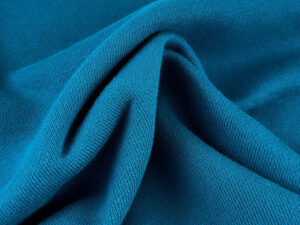
French terry is a knit fabric with a smooth outer surface and looped inner texture, commonly used in joggers because it balances softness, breathability, and lightweight warmth.
French terry works well across different seasons.
French Terry Feels Softer And Lighter
Compared to heavy fleece, French terry offers:
- Better airflow
- Less bulk
- More flexible movement
This makes it suitable for all-day wear.
It Supports Athleisure Styling
French terry joggers work well for:
- Casual wear
- Travel
- Light workouts
- Streetwear styling
Its versatility increased its popularity significantly.
Fabric Weight Changes Performance
French terry fabrics commonly range between:
- 240–320 GSM
Higher GSM creates:
- More structure
- Increased warmth
- Premium appearance
Premium Joggers Often Use French Terry
Many premium activewear and streetwear brands prefer French terry because it balances:
- Comfort
- Style
- Flexibility
- Breathability
Is Fleece Used In Joggers?
Fleece remains highly popular in colder-weather joggers.
Fleece is commonly used in joggers because it provides warmth, softness, and comfortable insulation during cool weather conditions.
Fleece joggers dominate many winter collections.
Brushed Fleece Improves Warmth
Fleece fabrics use brushed inner surfaces to trap heat more effectively.
Advantages include:
- Thermal comfort
- Soft texture
- Cozy feel
Heavyweight Fleece Creates Premium Feel
Heavy fleece joggers often use:
- 320–450 GSM fabrics
These materials create:
- Better drape
- Structured silhouette
- Premium streetwear appearance
Fleece Works Well In Loungewear
Many consumers prefer fleece joggers for:
- Relaxing at home
- Travel
- Winter layering
Comfort is the main selling point.
Lower-Quality Fleece May Pill
Cheap fleece fabrics sometimes develop:
- Surface pilling
- Fiber shedding
- Shape distortion
High-quality fleece improves long-term durability.
Are Synthetic Fabrics Used In Joggers?
Synthetic materials are very common in modern activewear joggers.

Polyester-spandex, nylon-spandex, and spandex blends are widely used in joggers because they improve stretch, moisture management, durability, and athletic performance.
Technical fabrics dominate sportswear markets.
Polyester Improves Moisture Management
Polyester-spandex fabrics help:
- Move sweat away from skin
- Dry quickly
- Reduce moisture buildup
This improves workout comfort.
Nylon Creates Softer Technical Feel
Nylon-spandex fabrics usually provide:
- Smooth texture
- Better stretch recovery
- Premium hand feel
Many premium athleisure brands prefer nylon blends.
Spandex Adds Flexibility
Stretch fibers improve:
- Range of motion
- Shape retention
- Movement support
Most activewear joggers include:
- 5–15% spandex
Technical Fabrics Improve Durability
Synthetic blends resist:
- Shrinking
- Wrinkling
- Stretch distortion
This helps improve long-term wear performance.
At Fusionknits, technical fabric development focuses heavily on stretch recovery, softness, and moisture management performance.
What Fabrics Are Best For Casual Joggers?
Lifestyle joggers prioritize comfort and versatility.
The best fabrics for casual joggers are usually cotton blends, French terry, and fleece because they provide softness, warmth, and relaxed everyday comfort.
Casualwear consumers often prioritize feel over technical performance.
Cotton Blends Feel Comfortable
cotton-polyester blends provide:
- Soft hand feel
- Better wash stability
- Improved durability
They remain highly popular in everyday joggers.
French Terry Supports Year-Round Use
French terry offers:
- Moderate warmth
- Lightweight comfort
- Breathability
This makes it highly versatile.
Fleece Creates Cozy Comfort
Fleece joggers work well for:
- Cold weather
- Relaxed wear
- Winter travel
Warmth remains the biggest advantage.
Heavyweight Fabrics Support Streetwear Trends
Oversized joggers often use:
- Heavy fleece
- Washed cotton fabrics
Heavy fabrics improve drape and visual structure.
What Fabrics Are Best For Athletic Joggers?
Athletic joggers require different performance characteristics.
The best fabrics for athletic joggers are usually polyester-spandex or nylon-spandex blends because they provide stretch, breathability, moisture management, and lightweight comfort.
Performance fabrics improve mobility and durability.
Moisture-Wicking Is Essential
Technical activewear fabrics help:
- Improve sweat evaporation
- Reduce discomfort
- Keep athletes cooler
Moisture control strongly affects workout performance.
Stretch Supports Athletic Movement
Athletic joggers should allow:
- Running
- Squatting
- Stretching
- Dynamic movement
Stretch fabrics improve movement efficiency.
Lightweight Fabrics Reduce Bulk
Performance joggers often use:
- Lightweight woven fabrics
- Stretch knits
- Technical polyester blends
Reduced weight improves comfort during training.
Durability Matters In Sportswear
Athletic joggers experience:
- Repeated washing
- Friction
- Constant movement
Technical fabrics must maintain long-term stability.
Conclusion
Joggers are commonly made from cotton, cotton-polyester blends, French terry, fleece, nylon-spandex, and polyester-spandex fabrics depending on whether the product is designed for casualwear, activewear, loungewear, or streetwear. Each material offers different advantages in comfort, stretch, breathability, warmth, and durability.
At Fusionknits, jogger manufacturing focuses on fabric performance, fit engineering, and long-term wearability. Careful fabric selection helps create joggers with stronger comfort, better movement support, and improved durability for modern activewear and casualwear markets.