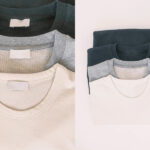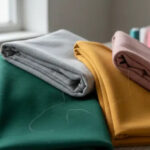
Shrinkage is one of the most common concerns for T-shirt buyers, manufacturers, and consumers. Many people experience disappointment when a T-shirt becomes smaller after the first wash, losing its original fit and comfort. Understanding which materials are resistant to shrinkage is crucial for producing long-lasting apparel and maintaining customer satisfaction.
T-shirt materials that are least likely to shrink include pre-shrunk cotton, polyester, polyester blends. Synthetic fabrics such as 100% polyester maintain their shape and size through repeated washing and drying, while pre-shrunk cotton has undergone treatments to stabilize fiber length and reduce future shrinkage. Blends of cotton with synthetic fibers, such as cotton-polyester blends, offer a balance of softness and dimensional stability.
Material selection, fabric construction, and finishing treatments all influence how a T-shirt performs in terms of shrinkage and longevity. At Fusionknits, we have found that careful fabric choice combined with pre-treatment processes helps brands deliver high-quality, consistent T-shirts that retain their fit over time.
Why do some T-shirts shrink in the first place?
Shrinkage occurs when fibers contract after exposure to heat or water.
Natural fibers like cotton are prone to shrinking because the fibers relax and reorient during washing or drying. Synthetic fibers, by contrast, are engineered to maintain their shape.
Understanding the underlying causes of shrinkage helps in selecting the right materials.
Fiber Properties Affecting Shrinkage
- Cotton: High shrink potential unless pre-shrunk
- Polyester: Minimal shrinkage
- Nylon: Resistant but may elongate slightly
- Blends: Shrinkage depends on fiber ratio
Common Triggers
- Hot water washing
- High-temperature tumble drying
- Steam ironing
- Aggressive washing cycles
Preventing shrinkage begins with understanding these triggers.
Impact on Garments
Shrinkage affects:
- Fit and comfort
- Length of T-shirt body and sleeves
- Collar shape
- Overall visual appeal
These issues can influence customer satisfaction and return rates.
Which T-shirt materials are least likely to shrink?
Certain fibers inherently resist shrinking.

Polyester, nylon, and pre-shrunk cotton are the most reliable choices for maintaining size and shape. Synthetic fibers maintain dimensional stability, while pre-shrunk natural fibers have been chemically or mechanically stabilized.
These materials reduce post-wash surprises.
100% Polyester
- Extremely stable under heat
- Maintains shape even with repeated washes
- Does not shrink or lose fit
- Ideal for performance and sportswear
Polyester’s low moisture absorption contributes to its stability.
Pre-Shrunk Cotton
- Treated during manufacturing to relax fibers
- Shrinkage reduced to a minimal percentage
- Retains fit over multiple washes
- Common in premium casualwear
Pre-shrunk cotton provides the comfort of natural fibers with added reliability.
Cotton-Polyester Blends
- Balance softness with dimensional stability
- Reduce total shrinkage compared to 100% cotton
- Often used in promotional T-shirts and retail basics
Blends combine performance and comfort advantages.
Can high-quality cotton prevent shrinkage?
Not all cotton behaves the same way.
Long-staple cotton varieties like Pima or Supima are stronger and more uniform, which reduces fiber contraction during washing. However, untreated cotton still carries some shrink risk.
Fiber quality complements pre-treatment for shrink prevention.
Advantages of Long-Staple Cotton
- Smooth, strong fibers
- Reduced pilling and fraying
- Enhanced durability
- Slightly lower shrinkage than short-staple cotton
Limitations
- Untreated long-staple cotton can still shrink
- Shrinkage is more pronounced with hot water or dryer heat
- Proper garment finishing remains essential
Premium cotton works best when pre-shrunk or blended.
How do fabric construction methods affect shrinkage?
Fabric knitting and weaving techniques influence shrinkage behavior.
Tightly knit fabrics with stable yarns resist dimensional changes better than loosely knit or open-weave fabrics. Heavyweight fabrics are often more stable than lightweight fabrics.
Construction plays an important role alongside fiber choice.
Knit Types
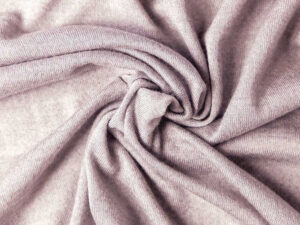
- Jersey knit: Slightly stretchy, may shrink without pre-treatment
- Interlock knit: More stable, resists deformation
- Rib knit: High stretch, may revert if untreated
Fabric Weight
| GSM Range | Effect on Shrinkage |
|---|---|
| 120–160 GSM | Lightweight, may shrink more |
| 160–200 GSM | Standard, moderate stability |
| 200–280 GSM | Heavy, excellent dimensional retention |
Heavier fabrics provide better shape retention in oversized styles.
What finishing processes prevent T-shirt shrinkage?
Finishing treatments are critical to controlling shrinkage.
Pre-shrinking, sanforization, and heat-setting stabilize fibers before garments reach consumers. These treatments reduce relaxation of cotton fibers during washing.
Even synthetic fibers can benefit from heat-setting.
Pre-Shrinking Methods
- Steam treatment
- Mechanical stretching and relaxation
- Controlled washing cycles during production
Sanforization
- Common in woven fabrics
- Uses mechanical tension to stabilize fiber length
- Reduces future shrinkage to a minimal percentage
Heat-Setting
- Especially for synthetic fibers
- Fixes fiber dimensions
- Enhances stability for blended fabrics
Proper finishing ensures consistent fit.
How does washing and care impact shrinkage?
Even the best fabrics require proper care.

Washing in cold water, avoiding high-heat drying, and following manufacturer instructions minimize shrinkage risk, especially for natural fibers.
Consumer education complements fabric and finishing choices.
Recommended Practices
- Wash with mild detergents
- Avoid tumble drying at high temperatures
- Air dry when possible
- Use gentle cycles
Practical Tips
- Turn T-shirts inside out
- Avoid excessive heat ironing
- Store folded rather than hung if heavy fabrics may stretch
These steps maintain fit and appearance.
Are blends better than 100% cotton for shrink resistance?
Blended fabrics often outperform pure cotton.
Cotton-polyester or cotton-spandex blends reduce total shrinkage while maintaining softness and comfort. The synthetic fibers provide dimensional stability, while cotton contributes to hand feel.
Blends strike a balance between performance and comfort.
Advantages of Blends
- Minimal shrinkage
- Soft, breathable texture
- Better color retention
- Enhanced durability
Common Ratios
| Blend | Typical Use |
|---|---|
| 65% Cotton / 35% Polyester | Promotional T-shirts, casual wear |
| 50% Cotton / 50% Polyester | Performance basics |
| 90% Cotton / 10% Polyester | Soft retail T-shirts with minimal shrinkage |
Selecting the correct ratio depends on performance priorities.
Does synthetic fiber completely eliminate shrinkage?
While synthetic fibers resist most shrinkage, they may have other considerations.
100% polyester and nylon maintain size effectively but may feel less soft than natural fibers. Advanced finishing techniques can improve hand feel without compromising stability.
Some performance fabrics blend synthetics with natural fibers for comfort.
Benefits of Synthetic Fibers
- Lightweight and durable
- Retain shape over years
- Resistant to washing heat
- Ideal for sports and casual wear
Limitations
- May feel less breathable
- Can generate static
- Some fabrics may require special washing
Proper fabric selection balances comfort and shrink resistance.
How does climate and use affect T-shirt shrinkage?
Shrinkage may vary depending on washing conditions.
Hot water, high humidity, and machine drying at high temperatures accelerate fiber relaxation and shrinkage in natural fibers.
Understanding environmental factors helps in designing garments for specific markets.
Considerations for Retailers
- Offer care instructions
- Recommend cold-water washing
- Design fabrics suited to climate and washing habits
This improves customer satisfaction.
Special Applications
- Heavyweight cotton T-shirts for colder climates
- Lightweight blends for tropical or humid areas
- Synthetic fabrics for sports and outdoor activities
Matching fabric to use ensures minimal shrinkage.
Conclusion
T-shirt materials that resist shrinkage include 100% polyester, pre-shrunk cotton, and cotton-synthetic blends. Polyester maintains shape and size through repeated washing, making it ideal for sports, casual, and performance garments. Pre-shrunk cotton stabilizes natural fibers, while cotton-polyester blends combine softness with dimensional stability.
Fabric construction, finishing treatments, and care instructions also play critical roles in reducing shrinkage. Heavier fabrics, tighter knits, and proper pre-treatment further enhance garment longevity and fit retention.
At Fusionknits, we have found that selecting the right fiber, combining it with high-quality yarns and finishing processes, allows brands to deliver T-shirts that maintain their original size, shape, and comfort, ensuring customer satisfaction across repeated wear and washes.