
Many buyers talk about joggers as if they appeared overnight. In real product history, that did not happen. Joggers grew out of sweatpants, athletic pants, and streetwear styling over time. The change was not one clean moment. It was a shift in silhouette, styling, and market language that became especially visible in the early to mid-2010s. FIT’s 2010s fashion timeline notes that “jogger pants” rose in popularity by the middle of the decade, while GQ’s 2013 coverage already treated Publish Brand’s jogger pants as a standout category.
At Fusionknits, we do not treat joggers as a completely separate invention from sweatpants. We see joggers as the point where classic sweatpants evolved into a more tapered, cuffed, and style-driven silhouette. In practical fashion terms, sweatpants became joggers during the early 2010s, and by the middle of the 2010s joggers had become a recognized mainstream category in menswear and athleisure. FIT’s timeline places jogger popularity in the middle of the 2010s, while Vogue’s 2024 history of 2010s fashion describes the decade as the moment when athleisure became everyday style.
As a professional apparel manufacturer, Fusionknits sees this change as more than a trend name. It was a product-development change. The leg narrowed, the ankle became more controlled, and comfortwear moved from gym and lounge use into everyday street-ready dressing. That is why the better question is not only when sweatpants became joggers, but how the market changed enough to make that new silhouette necessary. This reading is also supported by The Hundreds’ 2014 account of the jogger pant as a newly recognized design category rather than just another pair of sweats.
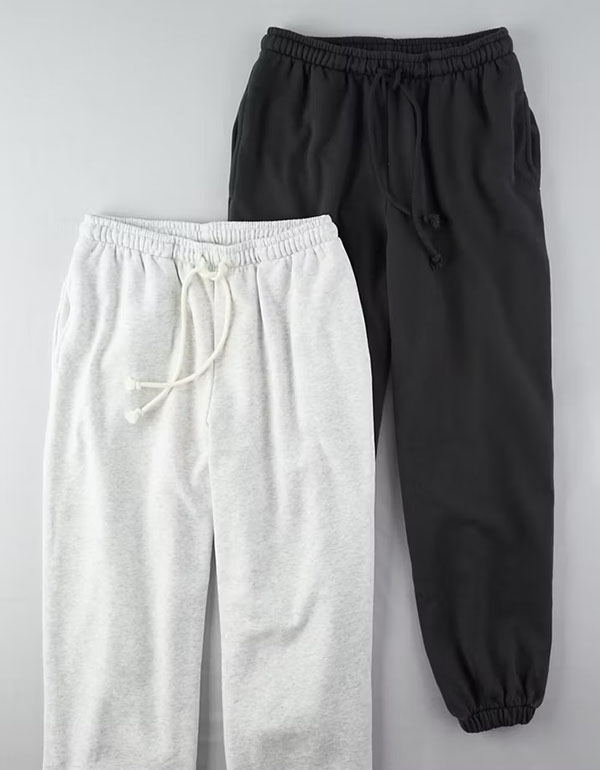
Were sweatpants around long before joggers?
Yes. Sweatpants came first by a wide margin. A widely cited apparel history from SANVT notes that sweatpants were created in 1920 by Émile Camuset for athletic comfort and movement, and by the 1930s they had already become associated with sports training.
Yes, sweatpants existed long before joggers. Sweatpants began as athletic knit pants built for comfort, training, and ease of movement, while joggers appeared later as a more tapered and style-conscious evolution of that comfortwear base. The long earlier history of sweatpants helps explain why joggers were not a completely new garment. They were a later redesign of an existing category.
At Fusionknits, this distinction matters because many buyers still confuse the two. Classic sweatpants were built around relaxed comfort and athletic function. Joggers kept the comfort DNA, but changed the lower-leg shape and styling purpose. That is why the market needed a different name once the silhouette moved far enough away from traditional sweats. GQ’s 2013 description of Publish joggers as “cut like a perfect pair of slim-fitting chinos” but finished with an elastic hem shows exactly how different the category had become from classic sweatpants.
Why sweatpants came first
- Athletic training came before athleisure
- Early sweatpants were built for comfort, not fashion
- The original product used softer and looser sport logic
- The modern jogger needed later streetwear and lifestyle influence
Why that history still matters
Sweatpants created the foundation
The jogger did not replace the comfort story. It refined it into a more modern silhouette.
The category change was gradual
Fashion did not wake up one year and invent joggers from nothing. The shift came from adapting a familiar product.
| Product stage | Main identity |
|---|---|
| Early sweatpants | Athletic comfort and training |
| Later joggers | Tapered casual and athleisure comfort |
Did joggers begin as a style change rather than a new invention?
Yes. That is the clearest professional way to explain it. Joggers were not a totally separate product invention like a new fiber or a new closure system. They were a shape evolution. Merriam-Webster’s current definition of joggers focuses on pants with an elastic or drawstring waist and usually tapered legs with snug cuffs, which shows how strongly the silhouette now defines the category.

Yes, joggers began mainly as a style and silhouette change rather than a completely new invention. The key difference was the move from the looser sweatpant leg into a more tapered line with a tighter ankle finish, which made the product easier to style in streetwear and everyday menswear. Merriam-Webster’s apparel definition and GQ’s 2013 coverage both support this shift toward tapered, elastic-hemmed casual pants as a distinct market item.
At Fusionknits, this is also how we explain joggers in development meetings. A jogger is not just any knit pant with a drawcord. It usually needs a more controlled leg shape, a cleaner ankle finish, and a stronger fit story than classic lounge-led sweatpants. That product logic became more important once sneakers, athleisure, and modern casualwear started demanding a cleaner lower silhouette. FIT’s timeline specifically links jogger pants to the rise of athleisure and streetwear in the 2010s.
So when did sweatpants really become joggers?
There is no single official conversion year. But in market terms, the transition became visible in the early 2010s and mainstream by the middle of the decade. GQ was already highlighting Publish jogger pants in 2013, The Hundreds was telling “the real story behind the jogger pant” in 2014, and FIT’s timeline says jogger pants rose in popularity by the middle part of the 2010s.
In practical fashion history, sweatpants became joggers during the early 2010s, and joggers became fully mainstream by the mid-2010s. That is the clearest answer for brands, buyers, and product developers.
At Fusionknits, we think this date range is more useful than chasing one exact year. Categories rarely change in one season only. First, a few brands push a new silhouette. Then style media gives it a name. Then retailers adopt the label. Then customers start expecting the fit. That is exactly what happened with joggers. GQ’s 2013 article shows the category already catching fire, while Vogue’s 2024 review of the 2010s shows the wider fashion environment that allowed joggers to move beyond sportswear.
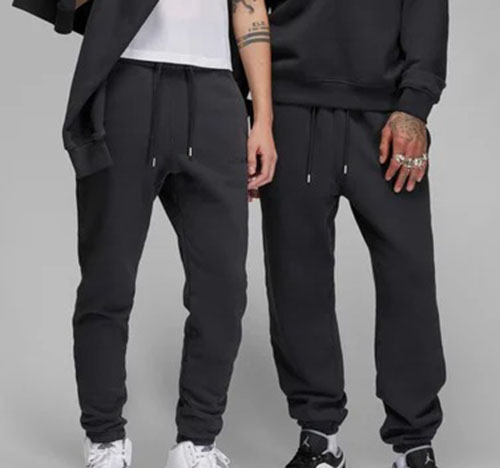
A practical timeline
- 1920s: sweatpants begin as athletic comfortwear
- 2000s: slim casualwear and sneaker culture prepare the market for cleaner lower-leg silhouettes. This is an inference based on the early-2010s breakout documented in later sources.
- 2013–2014: jogger pants become a visible named trend in menswear and streetwear.
- Mid-2010s: joggers become mainstream in athleisure and everyday fashion.
Why did the jogger silhouette take off in the 2010s?
The timing was not random. The 2010s gave the market exactly what joggers needed: sneaker-focused styling, athleisure growth, and a wider acceptance of sport-influenced dressing. FIT’s 2010s timeline explicitly ties jogger popularity to the spread of athleisure and streetwear-inspired menswear in the middle of the decade, and Vogue’s 2024 look back on the 2010s describes how sporty clothing became normal in everyday style.
The jogger silhouette took off in the 2010s because the market wanted comfort without the visual looseness of old sweatpants. Joggers answered that need by combining the ease of athletic pants with a slimmer ankle line that worked better with sneakers, streetwear, and modern casual wardrobes.
At Fusionknits, we see this as a classic category upgrade. Customers did not stop wanting comfort. They simply wanted comfort to look more intentional. Joggers gave them that. The lower leg looked cleaner. The pant sat better over sneakers. The silhouette felt more fashion-aware. The Hundreds’ 2014 story and GQ’s 2013 feature on Publish both show how strongly this new shape was being identified as its own product.
Main reasons joggers rose so fast
- Athleisure became acceptable outside the gym
- Sneaker culture made ankle shape more important
- Menswear moved toward cleaner tapered silhouettes
- Streetwear brands gave the category stronger identity
- Retailers needed a new name for the updated shape
Why the 2010s were the right moment
Style culture changed
Comfort no longer needed to stay hidden in lounge or sport settings. Vogue’s review of the 2010s describes exactly this wider acceptance of sporty dressing in everyday fashion.
The product solved a styling problem
Joggers kept softness but reduced the visual bulk of classic sweats, which made them easier to wear in more public and style-conscious settings.
| Trend force | Effect on joggers |
|---|---|
| Athleisure | Made comfortwear mainstream |
| Sneaker culture | Increased demand for tapered ankles |
| Streetwear | Turned joggers into a recognizable category |
Did sweatpants disappear once joggers arrived?
No. The categories split rather than one replacing the other. Sweatpants continued as comfort-first, lounge-led, and winter fleece products. Joggers took the more tapered, style-oriented lane. This separation is reflected in both dictionary definitions and fashion coverage that treats joggers as their own silhouette rather than a full replacement for sweats.

No, sweatpants did not disappear when joggers arrived. Instead, the market separated the categories. Sweatpants remained the looser comfortwear reference, while joggers became the cleaner, tapered evolution used in athleisure, streetwear, and everyday casual fashion.
At Fusionknits, this distinction is still important today. A buyer asking for joggers usually expects a narrower leg and a more styled finish. A buyer asking for sweatpants usually expects a softer, more relaxed silhouette. The categories overlap, but they are no longer interchangeable in serious product development.
Conclusion
Sweatpants did not become joggers in one exact year. The change happened gradually, but the clearest industry answer is that the transition took shape in the early 2010s and became mainstream by the middle of the decade.
Classic sweatpants had existed since the 1920s as athletic comfortwear, but streetwear, sneaker culture, and athleisure pushed the category into a more tapered, cuffed, and style-conscious direction. By 2013 and 2014, fashion media and brands were already treating joggers as a distinct product, and by the mid-2010s they were fully established in mainstream casualwear.
At Fusionknits, we see joggers as the moment when sweatpants were redesigned for a new fashion environment. The comfort stayed. The silhouette changed. That is why the best answer is not that sweatpants vanished, but that a cleaner and more versatile version of them emerged. Understanding that shift helps brands write better tech packs, choose better fabrics, and build jogger products with the right fit language from the start.