ORORO has become one of the most recognizable brands in the heated apparel industry. Known for its heated jackets, heated vests, heated hoodies, and heated outerwear, the company has built a strong reputation among outdoor enthusiasts, workers, travelers, and consumers looking for cold-weather comfort. As the brand grows globally, many buyers ask an important question: where are ORORO products made?
Most ORORO products are manufactured in China through specialized apparel and electronics manufacturing facilities. While ORORO is an American brand, its heated clothing is primarily produced by manufacturing partners in China that specialize in technical outerwear, battery-powered heating systems, and garment assembly.
At Fusionknits, we frequently analyze how leading apparel brands structure their supply chains. Understanding where ORORO products are made provides valuable insights into modern apparel manufacturing, technical garment production, and global sourcing strategies.
What Is ORORO and Why Is It Popular?
Before discussing manufacturing locations, it is helpful to understand the brand itself.
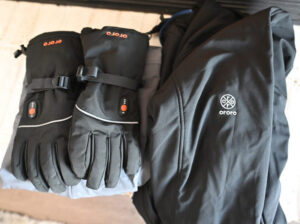
ORORO is a heated apparel company that specializes in battery-powered outerwear designed to provide warmth through integrated heating elements.
The company has gained popularity because it combines apparel manufacturing with wearable technology.
ORORO's main product categories
- Heated jackets
- Heated vests
- Heated hoodies
- Heated gloves
- Heated base layers
- Heated accessories
The brand focuses on practical cold-weather solutions.
Why consumers choose ORORO
| Feature | Importance |
|---|---|
| Heating Technology | Very High |
| Comfort | High |
| Durability | High |
| Battery Performance | High |
| Outdoor Functionality | High |
These features differentiate ORORO from traditional outerwear brands.
Why Are Most ORORO Products Manufactured in China?
China remains the world's largest apparel manufacturing hub.

ORORO manufactures most of its products in China because the country offers advanced textile production, experienced garment factories, electronics expertise, and efficient supply chains.
Heated apparel requires both textile manufacturing and electronic component integration.
Advantages of Chinese manufacturing
- Established apparel infrastructure
- Electronic component suppliers
- Skilled garment workers
- Large-scale production capacity
- Competitive manufacturing costs
Few countries can efficiently combine apparel and electronics production at scale.
Why heated clothing requires specialized factories
Unlike traditional garments, heated apparel requires:
- Fabric sourcing
- Heating element integration
- Battery system installation
- Electronic testing
- Safety inspections
These capabilities are widely available in China's manufacturing ecosystem.
How Are ORORO Heated Jackets Manufactured?
Heated jackets involve a more complex production process than standard outerwear.
Manufacturing heated jackets requires both garment construction expertise and electronic assembly capabilities.
Multiple production stages are involved.
Typical production process
| Production Stage | Function |
|---|---|
| Fabric Production | Outer shell and lining materials |
| Pattern Cutting | Garment preparation |
| Sewing Assembly | Jacket construction |
| Heating Panel Installation | Heating zones integration |
| Electrical Testing | Safety verification |
| Final Inspection | Quality control |
Each stage contributes to product reliability.
Why quality control is critical
Heating products must meet:
- Safety standards
- Performance requirements
- Durability expectations
Defects can affect both functionality and customer satisfaction.
What Materials Are Used in ORORO Products?
Material selection plays a major role in heated apparel performance.
ORORO products commonly use polyester, nylon, fleece, and synthetic insulation materials because they provide warmth, durability, and compatibility with heating systems.
These materials balance comfort and performance.

Common outerwear fabrics
- Polyester
- Nylon
- Softshell fabrics
- Performance woven fabrics
Each fabric serves a specific purpose.
Why synthetic fabrics are preferred
Synthetic materials offer:
- Durability
- Moisture resistance
- Lightweight performance
- Easy integration with electronics
These characteristics support heated apparel applications.
How Does ORORO Source Its Heating Technology?
The heating system is the defining feature of ORORO products.
Heating elements and battery systems are typically sourced from specialized electronics suppliers that work closely with garment manufacturers.
The combination of textiles and electronics creates the final product.
Main heating system components
| Component | Function |
|---|---|
| Carbon Fiber Heating Elements | Generate heat |
| Lithium-Ion Battery | Power source |
| Control Button | Temperature adjustment |
| Wiring System | Energy distribution |
Each component must meet strict safety requirements.
Why integration matters
Poor integration can lead to:
- Uneven heating
- Reduced durability
- Battery issues
- Consumer dissatisfaction
This is why specialized manufacturing expertise is necessary.
Why Doesn't ORORO Manufacture in the United States?
Many consumers assume American brands manufacture domestically.

Like many apparel brands, ORORO outsources production because overseas manufacturing offers greater efficiency, lower costs, and access to specialized expertise.
The heated apparel category requires capabilities that are concentrated in Asia.
Challenges of domestic manufacturing
- Higher labor costs
- Limited technical garment factories
- Smaller production capacity
- Higher final retail prices
These factors affect competitiveness.
Why global sourcing is common
Most apparel brands focus on:
- Product development
- Marketing
- Customer service
Manufacturing is often handled by external partners.
How Does ORORO Maintain Product Quality?
Producing heated garments requires strict quality control procedures.
ORORO maintains quality through factory audits, component testing, safety inspections, and final product evaluations.
Quality assurance is essential for electronic apparel.
Common quality control procedures
- Fabric testing
- Battery testing
- Heating panel inspection
- Wash durability testing
- Final product audits
These processes help maintain consistency.
Why testing is especially important
Heated garments face additional challenges:
- Electrical performance
- Heat distribution
- Battery safety
- Long-term durability
Comprehensive testing minimizes risks.
Are ORORO Products Made in One Factory?
Large apparel brands rarely rely on a single production facility.
ORORO likely works with multiple manufacturing partners that specialize in different aspects of garment production and electronic assembly.
Diversification improves supply chain stability.
Benefits of multiple suppliers
- Increased production capacity
- Reduced supply chain risk
- Better specialization
- Improved flexibility
Many global brands use this model.
Typical manufacturing structure
| Function | Possible Supplier Type |
|---|---|
| Fabric Production | Textile Mill |
| Garment Assembly | Apparel Factory |
| Electronics Production | Component Manufacturer |
| Battery Production | Battery Supplier |
This structure is common in technical apparel.
How Does Manufacturing Location Affect Pricing?
Production location directly impacts product cost.
Manufacturing in China allows ORORO to offer advanced heated apparel at competitive retail prices compared to domestic production alternatives.
Cost efficiency helps expand market reach.
Major cost factors
- Labor
- Materials
- Electronics
- Shipping
- Quality control
Managing these costs is essential.
Why consumers benefit
Efficient manufacturing helps deliver:
- Better pricing
- Reliable performance
- Consistent availability
Global sourcing supports scalability.
How Does ORORO Compare to Other Heated Apparel Brands?
The heated apparel market has grown significantly.
Many heated clothing brands use similar manufacturing strategies, sourcing products from specialized factories in China and other Asian manufacturing hubs.
The competitive advantage often comes from design, quality control, and branding rather than factory ownership.
Common industry practices
- Outsourced manufacturing
- Global sourcing
- Electronic component integration
- Third-party quality testing
These practices are standard across the industry.
What differentiates brands
Consumers often compare:
- Heating performance
- Battery life
- Comfort
- Product durability
- Warranty support
Brand reputation is built on these factors.
What Can Apparel Brands Learn from ORORO's Manufacturing Strategy?
ORORO offers an interesting example of modern product development.
The company's success demonstrates how apparel brands can combine specialized manufacturing partners, technical innovation, and quality control to create differentiated products.
Manufacturing expertise is often distributed across multiple suppliers.
Key lessons for brands
- Focus on product innovation
- Leverage specialized suppliers
- Prioritize quality control
- Build strong supply chain partnerships
These principles support long-term growth.
Why specialization matters
Modern products often require expertise in:
- Textiles
- Electronics
- Design
- Logistics
Few companies can master all areas internally.
Conclusion
ORORO products are primarily manufactured in China through specialized factories that combine apparel production with electronic component integration. While ORORO operates as an American brand, its heated jackets, vests, hoodies, and other products rely on China's extensive manufacturing ecosystem, which provides access to textile expertise, lithium-ion battery technology, heating components, and large-scale production capabilities. This approach allows the company to deliver technically advanced heated apparel while maintaining competitive pricing and consistent product availability.
The production of heated clothing is significantly more complex than standard garment manufacturing. Beyond fabric sourcing and garment assembly, ORORO products require heating element installation, battery integration, safety testing, and quality assurance procedures. These additional requirements make specialized manufacturing partners essential. China's well-developed supply chain allows these different production stages to operate efficiently within a connected manufacturing network.
At Fusionknits, we view ORORO's supply chain strategy as an example of how modern apparel brands successfully combine innovation and global sourcing. Rather than attempting to manage every aspect of production internally, successful brands often focus on product development, quality standards, and customer experience while leveraging specialized manufacturing expertise. As wearable technology continues to expand within the apparel industry, this type of manufacturing model will likely become even more important for future product innovation.