The bomber jacket is one of the most iconic garments in fashion history. Its distinctive ribbed cuffs, waistband, and zippered front, combined with its practical design, have made it a staple in streetwear, casual fashion, and luxury collections. Despite its popularity, many consumers are unaware of its origins or how the design evolved over time. Understanding where the bomber jacket comes from provides insight into both fashion history and its ongoing cultural influence.
The bomber jacket originated from military aviation during World War I and World War II, specifically designed to keep pilots warm in unpressurized cockpits. Over time, it transitioned from functional military gear to mainstream fashion, with variations influenced by military, streetwear, and luxury aesthetics. Today, it is produced globally in countries like China, Vietnam, Bangladesh, and Turkey, reflecting both historical legacy and modern manufacturing trends.
At Fusionknits, we manufacture bomber jackets for activewear brands, fashion labels, and wholesale buyers worldwide. Knowledge of its origins helps brands respect heritage while producing garments that resonate with modern consumers.
Why Was the Bomber Jacket Originally Created?
The bomber jacket was born out of necessity for military aviators.
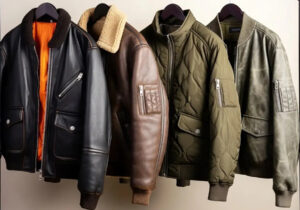
Pilots flying at high altitudes required insulated, lightweight jackets that allowed freedom of movement while providing warmth in unpressurized cockpits.
Early materials included leather and shearling, designed to maximize insulation without adding excessive bulk.
Key features of early bomber jackets
| Feature | Function |
|---|---|
| Leather body | Durable, wind-resistant |
| Shearling lining | Insulation and warmth |
| Ribbed cuffs & waistband | Seal in heat, maintain fit |
| Zippered front | Easy to wear and remove |
| Pockets | Practical storage |
These design elements formed the foundation of the modern bomber jacket.
Why pilots needed specialized jackets
- Cockpits were exposed to cold temperatures
- Mobility was essential for operating controls
- Durability was required for daily wear
- Ease of use was critical during rapid deployment
The bomber jacket balanced warmth, mobility, and practicality.
How Did the Bomber Jacket Evolve After Military Use?
After World War II, surplus military jackets entered civilian markets.

The bomber jacket quickly gained popularity among civilians due to its functional design and rugged aesthetic.
It transitioned from military necessity to fashion statement.
Cultural influences on bomber jackets
- Post-war military surplus became affordable and accessible
- Hip-hop culture adopted oversized and graphic bomber styles
- Streetwear brands integrated bomber jackets into urban fashion
- Luxury designers reinterpreted the silhouette with premium materials
These shifts cemented the bomber jacket as a versatile fashion garment.
Changes in design
| Era | Changes |
|---|---|
| 1940s–1950s | Original leather and shearling designs |
| 1970s–1980s | Slimmer fits, nylon variants, casual streetwear use |
| 1990s | Oversized styles, graphic prints, luxury reinterpretations |
| 2000s–present | High-fashion versions, performance fabrics, sustainable options |
The design evolved to suit consumer preferences and fashion trends.
What Materials Were Traditionally Used for Bomber Jackets?
Early bomber jackets relied on natural materials to provide warmth and durability.
Leather, shearling, wool, and heavy cotton were primary materials, selected for their insulating properties and strength.
Military specifications dictated many material choices.
Traditional material functions
| Material | Function |
|---|---|
| Leather | Wind resistance, durability |
| Shearling | Insulation |
| Wool | Warmth for linings |
| Cotton twill | Lightweight, versatile jackets for training |
Material choice influenced both performance and longevity.
Why material matters
The bomber jacket’s functionality and aesthetic appeal are largely determined by its fabric. Modern jackets have expanded materials while retaining core characteristics of warmth, comfort, and mobility.
How Did Bomber Jackets Transition Into Fashion?
Military garments often inspire civilian fashion.
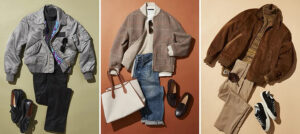
Bomber jackets were adopted by subcultures, from punk and hip-hop to streetwear and luxury fashion.
Designers modified colors, fabrics, and silhouettes for broader appeal.
Factors driving popularity
- Affordable surplus jackets
- Media exposure via movies and music
- Fashion designers’ reinterpretation
- Influence of athletes and celebrities
Cultural icons helped establish the bomber jacket as a timeless fashion staple.
Modern design elements
- Lightweight nylon or polyester shells
- Quilted or padded lining
- Ribbed cuffs and hem for comfort
- Zippered or snap closures
- Custom embroidery or branding
These features retain the bomber jacket’s identity while adapting it for style purposes.
Where Are Bomber Jackets Produced Today?
Global production reflects the expansion of apparel manufacturing.
Bomber jackets are manufactured in countries like China, Vietnam, Bangladesh, Pakistan, and Turkey due to their skilled labor, textile infrastructure, and cost-effective production capabilities.
Production locations are often chosen based on price, quality, and lead time.
Key production hubs
| Country | Strengths |
|---|---|
| China | Large-scale production, high-quality synthetic fabrics |
| Vietnam | Skilled workforce, mid-to-premium market focus |
| Bangladesh | Cost-effective cotton and blended fabrics |
| Pakistan | Expertise with woven fabrics and embroidery |
| Turkey | Proximity to European markets, quality craftsmanship |
Different countries are selected for specific production needs.
Why global manufacturing matters
- Ensures scalability and efficiency
- Allows access to a wide range of fabrics
- Reduces lead times for international markets
- Supports cost-effective production for different segments
Modern supply chains allow brands to serve multiple market segments efficiently.
How Do Fabric Choices Affect Bomber Jackets Today?
Fabric selection influences warmth, weight, style, and durability.

Nylon, polyester, leather, wool, and blended fabrics are the most common materials, each providing different benefits.
Designers select materials based on intended use, market positioning, and consumer preferences.
Modern fabric comparison
| Fabric | Characteristics | Popular Use |
|---|---|---|
| Nylon | Lightweight, wind-resistant, water-repellent | Casual and streetwear |
| Polyester | Durable, easy-care, colorfast | Everyday and performance |
| Leather | Premium, durable, classic style | Luxury or heritage |
| Wool | Insulating, warm | Cold-weather or high-fashion |
| Cotton blends | Comfortable, breathable | Lifestyle or casual |
Material choice impacts both functionality and consumer perception.
Performance vs lifestyle fabrics
Performance-oriented bombers use lightweight, technical fabrics, while fashion bombers often feature leather, wool, or decorative fabrics.
How Does Culture Influence Bomber Jacket Styles?
Cultural trends continue to shape the bomber jacket market.
Hip-hop, punk, and streetwear cultures have significantly influenced silhouettes, colors, and embellishments.
Luxury brands also reinterpret the bomber with premium fabrics, embroidery, and high-end finishes.
Examples of cultural impact
- Oversized fits popularized by streetwear
- Metallic, satin, and bright colors inspired by hip-hop
- Embroidered and designer editions in luxury fashion
These influences keep the bomber jacket fresh and relevant.
Why Bomber Jackets Remain Popular
Bomber jackets balance functionality and fashion.
Their combination of warmth, mobility, and iconic silhouette ensures continued popularity across demographics.
They are versatile, suitable for casual wear, performance needs, and luxury styling.
Consumer benefits
- Practical warmth
- Stylish silhouette
- Easy layering
- Durable construction
- Versatile material options
This versatility makes them a strong seller year-round.
Market trends
| Trend | Popularity |
|---|---|
| Nylon streetwear bombers | Very High |
| Leather heritage bombers | High |
| Quilted and padded designs | Growing |
| Sustainable fabric options | Increasing |
Consumer preferences are shaping the next generation of bomber jackets.
How Should Brands Source Bomber Jackets?
Understanding the origin and materials of bomber jackets is key for sourcing.
Brands must consider target customer, fabric type, manufacturing location, lead time, and price point when producing bomber jackets.
Fusionknits works with brands to balance quality, cost, and style.
Recommended sourcing considerations
- Choose fabrics based on climate and use
- Select manufacturing partners experienced with outerwear
- Incorporate sustainability if desired
- Maintain design authenticity
- Monitor global production trends
This approach ensures market-ready jackets that appeal to consumers.
Conclusion
The bomber jacket originated as functional military gear for pilots during World War I and World War II. Its design prioritized warmth, mobility, and durability, which made it ideal for high-altitude flights. Over time, the jacket transitioned into civilian fashion, embraced by subcultures, streetwear enthusiasts, and luxury designers. Today, bomber jackets are produced worldwide in countries like China, Vietnam, Bangladesh, Pakistan, and Turkey, combining heritage-inspired design with modern fabrics and manufacturing technologies.
Modern bomber jackets use a variety of fabrics, including nylon, polyester, leather, wool, and blended fibers, each chosen to balance performance, style, and comfort. Cultural trends, fashion cycles, and functionality continue to influence design decisions, keeping the bomber jacket relevant across markets.
At Fusionknits, understanding its origins and evolution helps brands produce authentic, high-quality bomber jackets that meet the expectations of global consumers. The bomber jacket remains a versatile, iconic garment that bridges history, fashion, and functionality.