Levi's jeans are often perceived as affordable in the US compared to other markets. This affordability is influenced by factors such as local production costs, market strategies, supply chain efficiency, and brand positioning. Understanding these factors clarifies why prices differ between the US and other countries.
At Fusionknits, we recognize that Levi's pricing reflects a combination of manufacturing efficiency, domestic sourcing, and strategic marketing. These factors allow Levi's to offer premium denim at a competitive price point in the US while maintaining brand value and quality standards.
As a professional apparel manufacturer, we analyze how supply chain, distribution, and market strategies influence pricing and consumer perception.

How local production affects pricing
Producing garments domestically or in nearby countries reduces shipping, import duties, and handling costs. For Levi's, the US market benefits from localized manufacturing and distribution centers, which minimize logistical expenses and allow competitive retail pricing.
At Fusionknits, we note that domestic production also enables faster restocking and better inventory control, which reduces surplus stock costs and supports consistent pricing for consumers.
Local production advantages
| Factor | Impact |
|---|---|
| Manufacturing location | Lower shipping and customs costs |
| Distribution proximity | Faster delivery and inventory management |
| Economies of scale | Lower unit cost per garment |
How supply chain efficiency plays a role
Levi's uses a highly optimized supply chain with bulk sourcing of cotton, fabrics, and trims. Centralized factories and distribution hubs reduce operational inefficiencies and overhead, contributing to lower retail prices.

At Fusionknits, we understand that supply chain management is crucial for cost reduction. Efficient planning, bulk production, and streamlined logistics allow brands to maintain quality while offering competitive pricing.
Supply chain components
| Component | Role in pricing |
|---|---|
| Bulk cotton procurement | Reduces material cost per unit |
| Centralized factories | Streamlines production and quality control |
| Efficient distribution | Minimizes storage and transportation costs |
How brand positioning and market strategy influence cost
Levi's positions itself as a premium yet accessible brand in the US. To remain competitive, pricing is strategically set lower domestically compared to international markets where import duties, tariffs, and logistics increase costs.
At Fusionknits, we recognize that market strategy balances brand perception with affordability. By offering lower prices in the US, Levi's sustains high sales volume, builds customer loyalty, and maintains market share against competing denim brands.
Market strategy considerations
| Factor | Impact |
|---|---|
| Domestic pricing | Encourages repeat purchases and volume sales |
| International pricing | Higher due to import duties and shipping costs |
| Brand perception | Balances premium image with accessibility |
How taxes and tariffs affect international prices
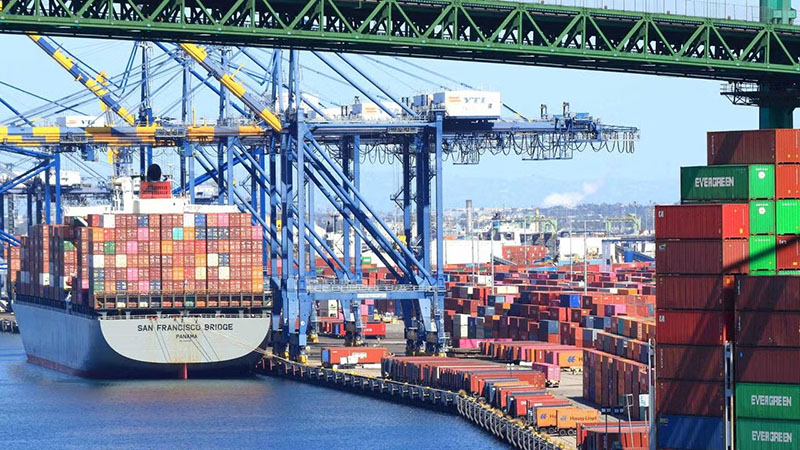
In markets outside the US, Levi's products often face higher import duties, VAT, and additional shipping fees. These costs are passed to consumers, making jeans more expensive abroad even if the production cost is similar.
At Fusionknits, we analyze that local tariffs, customs duties, and logistics significantly influence international retail pricing. The absence of these costs in the US allows Levi's to offer lower retail prices domestically.
International pricing factors
| Market | Additional Costs |
|---|---|
| Europe | VAT, import duties, shipping |
| Asia | Tariffs, import taxes, distribution |
| US | Minimal domestic tariffs and shipping fees |
How economies of scale contribute to affordability
Levi's produces millions of units per year, benefiting from economies of scale. High-volume production reduces per-unit cost, allowing lower retail prices without compromising quality.
At Fusionknits, we note that economies of scale in fabric procurement, labor, and manufacturing contribute significantly to cost efficiency. Large production runs spread fixed costs across many garments, making them more affordable to consumers.
Economies of scale benefits
| Aspect | Advantage |
|---|---|
| Bulk material sourcing | Reduced raw material cost |
| High-volume production | Lower unit manufacturing cost |
| Large distribution | Minimizes per-unit logistics cost |
How fabric and material choices affect pricing
Levi's uses durable denim fabrics and standardized washes for high-volume production. While premium, consistent sourcing and established supply chains reduce costs compared to small-batch or artisanal denim production.

At Fusionknits, we observe that standardized fabric specifications and pre-negotiated supplier contracts allow brands like Levi's to maintain consistent quality at competitive prices. This contrasts with smaller brands that may face higher per-unit material costs.
Material considerations
| Material | Cost impact |
|---|---|
| Standard cotton denim | Economical for large-scale production |
| Pre-washed/treated fabrics | Reduce production complexity |
| Uniform fabric specifications | Lowers supplier variability and cost |
Conclusion
Levi's appears cheaper in the US due to a combination of domestic manufacturing, efficient supply chains, strategic brand positioning, economies of scale, and minimized import duties. These factors enable the brand to maintain quality while offering affordable pricing for a broad consumer base.
At Fusionknits, we analyze pricing from a professional apparel manufacturing perspective. Understanding the interplay between fabric sourcing, production efficiency, logistics, tariffs, and market strategy explains why domestic
Levi's products are more accessible than in international markets. Efficient manufacturing, bulk sourcing, and streamlined operations allow high-quality denim to remain affordable in the US, while maintaining the brand’s premium image and global reputation.